Author: Harsheel Purohit

  • BIM for Environmental Regulations

    BIM for Environmental Regulations

    Welcome to an insightful exploration of environmental regulations and compliance, guided by the innovative approach of Building Information Modelling (BIM). In this blog, we will delve into the critical importance of environmental regulations. Furthermore, we will explore how BIM integrates with compliance efforts, and moreover, highlight the profound human impact on communities and ecosystems. Additionally, we will discuss the science behind environmental stewardship and discover how BIM plays a pivotal role in ensuring a sustainable and resilient future.

    Understanding Environmental Regulations: Safeguarding Our Planet:-

    Environmental regulations are laws and policies established by governments to protect natural resources, mitigate pollution, and promote sustainable development. Specifically, these regulations set standards for air and water quality, waste management, land use, and biodiversity conservation, among other areas. Moreover, compliance with environmental regulations is essential to prevent harm to ecosystems, safeguard public health, and maintain ecological balance. Therefore, adhering to these regulations not only ensures a healthier environment but also promotes a sustainable future for generations to come.

    The Role of BIM in Environmental Regulations and Compliance:-

    Building Information Modelling (BIM) revolutionizes environmental regulations and compliance by providing advanced tools for planning, designing, constructing, and managing buildings. Specifically, BIM enables comprehensive digital modeling, data visualization, and simulation, thereby facilitating informed decision-making to ensure projects meet regulatory requirements and environmental standards. Moreover, by integrating environmental considerations into the design and construction phases, BIM enhances transparency, efficiency, and sustainability across industries. Consequently, this integration results in better project outcomes and promotes a more sustainable future.

    BIM's Approach: Excellence in Education and Technological Integration:-

    At BIM, environmental regulations and compliance are integral to our curriculum in environmental engineering. Moreover, we emphasize a multidisciplinary approach that combines regulatory knowledge with BIM technologies, preparing students to navigate complex compliance landscapes and implement sustainable solutions. In addition, through hands-on projects and collaborations with industry leaders, BIM cultivates future environmental engineers who are adept at balancing development with environmental protection.

    The Journey of Environmental Regulations and Compliance: Processes and Benefits:-

    Effective compliance with environmental regulations involves a structured approach to ensure legal adherence, environmental protection, and community well-being. Consequently, here are key processes and benefits of using BIM in environmental regulations and compliance:

    1. Regulatory Analysis and Assessment:-

    Legal Compliance: Utilizing BIM to assess project designs and operations against local, national, and international environmental regulations can be challenging. Consequently, it is essential to ensure compliance at all levels, which requires thorough analysis and careful planning.

    Environmental Impact Assessment (EIA): Conducting thorough assessments of potential environmental impacts using BIM's modeling and simulation capabilities is essential. Consequently, this informs decision-making and mitigates risks. Ultimately, these steps lead to more sustainable and effective project outcomes.

    2. Monitoring and Reporting:-

    Environmental Monitoring Systems: Integrating BIM with sensor technology and data analytics not only allows for real-time monitoring of air and water quality but also noise levels and other environmental indicators. Consequently, this integration enhances the ability to maintain a healthy and safe environment.

    Compliance Reporting: Generating accurate reports and documentation to demonstrate adherence to regulatory requirements and facilitate regulatory audits.

    Picture background

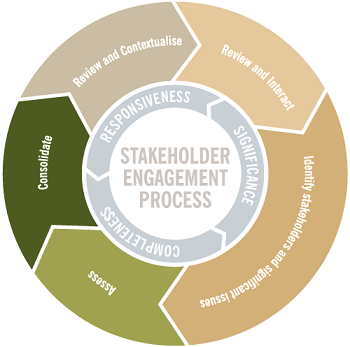
    3. Stakeholder Engagement and Transparency:-

    Public Participation: Using BIM to visualize project impacts and engage stakeholders, including local communities, environmental groups, and regulatory agencies, in the decision-making process is crucial. Furthermore, it ensures transparency and fosters collaboration among all parties involved.

    Transparency and Accountability: By promoting transparency through sharing project data, environmental assessments, and compliance status, we can build trust and ensure accountability.
    Picture background

    Environmental Compliance: Community Impact and Empowerment:-

    Behind every environmental regulation and compliance effort lies a profound human impact. By integrating BIM with compliance initiatives, BIM ensures:

    Community Health: Protecting communities from environmental hazards and pollution associated with industrial activities and infrastructure projects is crucial. Consequently, implementing strict regulations and continuous monitoring can mitigate these risks. Moreover, involving local communities in decision-making processes ensures their concerns are addressed. Therefore, fostering a collaborative approach enhances the effectiveness of protective measures.

    Environmental Justice: Addressing disparities in environmental quality and ensuring equitable protection of vulnerable populations, including low-income communities and minorities.

    Sustainable Development: Promoting responsible resource use, minimizing ecological footprint, and fostering economic growth while preserving natural resources for future generations.

    Picture background

    Innovating for Sustainable Development: Technology and Collaboration:-

    As environmental challenges evolve, BIM leads the way in developing innovative solutions that promote sustainability, resilience, and social equity:

    Digital Twin Technology: Creating digital replicas of physical assets using BIM to simulate environmental impacts, optimize operations, and improve decision-making throughout the project lifecycle.

    Integrated Project Delivery (IPD): Collaborating with Architects, engineers, contractors, and regulatory experts to streamline project workflows, reduce costs, and enhance environmental performance.

    Continuous Improvement: Using feedback loops and lessons learned from compliance efforts to refine processes, innovate new technologies, and advocate for progressive environmental policies.

    Your Role in Environmental Regulations and Compliance: Empowering Change:-

    Studying environmental regulations and compliance through BIM at BIM is not just pursuing a career; it's embracing a mission to protect our planet and ensure a sustainable future for all. Whether you aspire to innovate new technologies, advocate for policy reform, or engage communities in environmental stewardship, your journey begins here.

    Conclusion: Building a Sustainable Future Together:-

    In conclusion, environmental regulations and compliance through BIM exemplify the integration of technology, empathy, and foresight. By humanizing the science and understanding its profound impact on communities and ecosystems, we empower ourselves to take decisive action and drive positive change.

    Join us at BIM to balance environmental regulations with responsible development for a healthier planet and thriving communities

    Read more on:-

    For more information about engineering, architecture, and the building & construction sector, go through the posts related to the same topic on the Pinnacle IIT Blogs page.

    Find out more accurately what we are going to take off in the course of applying leading new technologies and urban design at Pinnacle IIT.

    Subscribe to our YouTube channel and blog websites to obtain all the up-to-date information relating to construction matters.

  • What Is Green Building: Key Concepts

    What Is Green Building: Key Concepts

    Welcome to a journey celebrating green building and sustainable design through Building Information Modelling (BIM). We'll explore why sustainable architecture matters and how BIM supports eco-friendly construction. Discover the real-life impact of sustainable design on communities and the environment. Together, let's uncover how BIM fosters a greener, more resilient built world.

    Understanding Green Building and Sustainable Design:-

    Green building and sustainable design prioritize environmental responsibility, resource efficiency, and human well-being in the construction and operation of buildings. These practices aim to reduce the environmental impact of construction projects, enhance occupant comfort and health, and promote long-term sustainability. From energy-efficient designs to sustainable materials and innovative technologies, green building integrates ecological principles with architectural innovation.

    The Role of BIM in Enhancing Green Building Practices:-

    Building Information Modelling (BIM) transforms how architects, engineers, and builders work together by using digital models. These models help visualize designs and test energy efficiency to reduce waste. Integrating sustainability into BIM guides decisions toward eco-friendly and people-centered designs. It fosters collaboration among stakeholders, ensuring environmental impacts are considered from start to finish. It's a tool that empowers teams to create smarter, greener buildings and infrastructure.

    BIM's Approach: Excellence in Education and Technological Integration:-

    At BIM, green building and sustainable design are fundamental components of our curriculum in environmental engineering and architecture. We emphasize a holistic approach that blends theoretical knowledge with hands-on experience using BIM tools. By fostering interdisciplinary collaboration and real-world projects, BIM not only prepares future professionals to lead the transition towards sustainable built environments but also encourages consideration of social, economic, and environmental dimensions.

    The Journey of Green Building and Sustainable Design: Principles and Innovations:-

    Green building and sustainable design encompass a range of principles and innovations aimed at minimizing environmental impact and maximizing resource efficiency. Here are key aspects where BIM plays a pivotal role:

    1.Passive Design Strategies :-

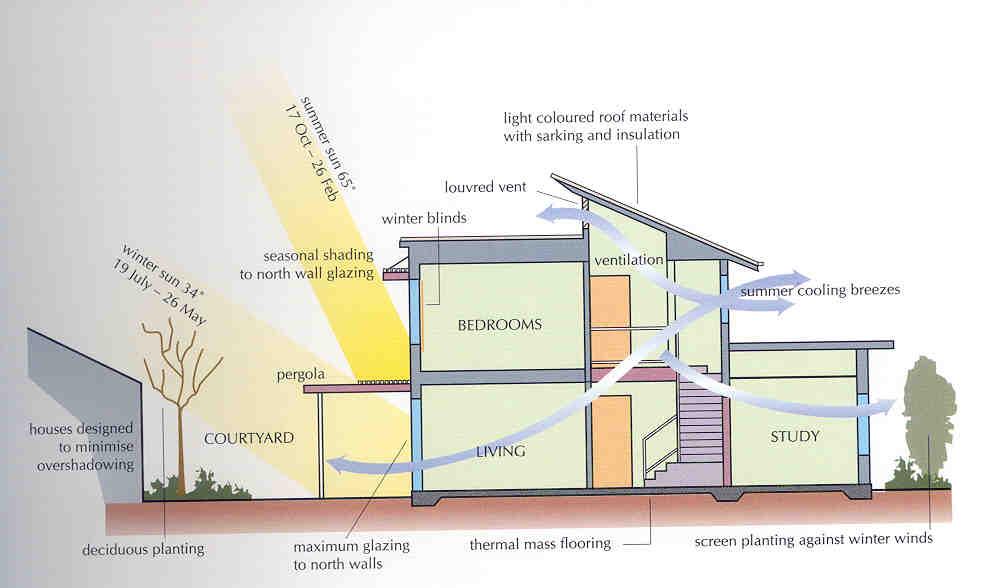
    Energy Modeling: Using BIM to simulate building performance and optimize energy consumption through passive design strategies such as orientation, natural ventilation, and daylighting.

    Energy Analysis: Conducting lifecycle assessments to evaluate the environmental impact of building materials and systems, informing decisions on energy-efficient upgrades and retrofits.

    Picture background

    2. Material Selection and Life Cycle Assessment:-

    Sustainable Materials: Incorporating environmentally friendly materials, such as recycled content, certified wood, and low-emission products, into building designs using BIM's material database and specification tools.

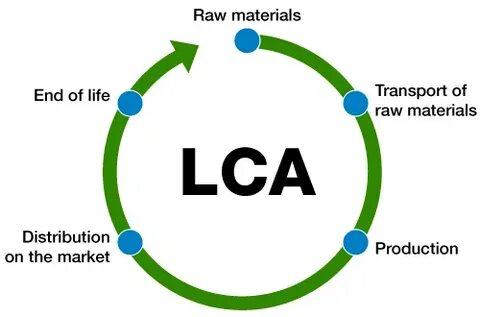
    Life Cycle Assessment (LCA): Assessing the environmental impact of materials and construction processes from extraction to disposal, guiding decisions to minimize embodied carbon and waste.

    https://avatars.mds.yandex.net/i?id=5f7778281eafc426adea31b9af96562c8b871138-9138034-images-thumbs&n=13

    3. Water Efficiency and Resource Management:-

    Water Conservation: Designing water-efficient fixtures, rainwater harvesting systems, and greywater recycling using BIM to optimize water use and reduce operational costs.

    Site Planning: Integrating green infrastructure, permeable surfaces, and native landscaping into site design to mitigate stormwater runoff and enhance biodiversity.

    Picture background

    Sustainable Design: Community Impact and Well-being:-

    Behind every sustainable building project lies a profound human impact. By integrating BIM with sustainable design practices, BIM ensures:

    Occupant Health and Comfort: Creating indoor environments that promote well-being through enhanced air quality, natural lighting, thermal comfort, and acoustic performance.

    Community Engagement: Engaging stakeholders in the design process to incorporate local preferences, cultural values, and social equity considerations into sustainable building projects.

    Climate Resilience: Designing buildings and infrastructure that can endure climate challenges like floods and hurricanes ensures safety for everyone. These resilient structures protect communities and ensure continuity in the face of extreme temperatures.

    Innovating for a Sustainable Future: Technology and Collaboration:-

    As global sustainability challenges intensify, BIM pioneers innovative solutions that promote resilience, resource efficiency, and community well-being:

    Integrated Design and Construction (IDC): Collaborating closely with architects, engineers, contractors, and sustainability consultants ensures our projects achieve optimal delivery and environmental excellence. Together, we integrate diverse expertise to enhance project outcomes and minimize environmental impact.

    Advanced Simulation Tools: Using BIM's parametric modeling and performance analysis tools to predict building behavior, optimize operational efficiency, and inform adaptive design strategies.

    Digital Twins and Smart Building Technologies: Creating digital replicas of buildings and infrastructure using BIM to monitor performance, optimize maintenance schedules, and continuously improve sustainability outcomes.

    Your Role in Sustainable Design: Empowering Change:-

    Studying green building and sustainable design through BIM is more than just acquiring technical skills; it also involves understanding how these practices can positively impact communities and ecosystems. It's embracing a commitment to environmental stewardship and social responsibility. Whether you aspire to innovate new technologies, advocate for policy reform, or design resilient communities, your journey begins here. Moreover, each step you take brings you closer to making a tangible difference.

    Conclusion: Building a Sustainable Legacy Together:-

    In conclusion, green building and sustainable design through BIM not only exemplify the fusion of technology, but also highlight the critical need for innovation in addressing environmental challenges and enhancing community well-being. Moreover, by humanizing the science and understanding its profound impact on communities and ecosystems, we empower ourselves to build a more sustainable future.

    Join us at BIM as we embrace the challenge and privilege of sustainable design. Let's create buildings that minimize environmental footprints, enrich lives, promote equity, and preserve resources for future generations.

    Read more on:-

    For more information about engineering, architecture, and the building & construction sector, go through the posts related to the same topic on the Pinnacle IIT Blogs page.

    Find out more accurately what we are going to take off in the course of applying leading new technologies and urban design at Pinnacle IIT.

    Subscribe to our YouTube channel and blog websites to obtain all the up-to-date information relating to construction matters.
  • Tech in Environmental Engineering

    Tech in Environmental Engineering

    Welcome to an exhilarating journey through the evolving landscape of environmental engineering, where we embrace the pioneering strides of Building Information Modelling (BIM). Throughout this blog, we'll immerse ourselves in the latest technologies that are shaping the future of environmental sustainability. By delving into how BIM synergizes with these advancements, we'll uncover their deep-seated influence on both communities and ecosystems alike. Join us as we bring a human touch to the science of environmental engineering, revealing how BIM propels us towards a brighter, healthier planet for everyone.

    The Landscape of Environmental Engineering and Technology:-

    Environmental engineering covers a broad spectrum of disciplines aimed at safeguarding and enhancing environmental quality. From controlling air and water pollution to managing waste and building sustainable infrastructure, environmental engineers are pivotal in devising solutions that reduce environmental impact and foster sustainable development. As global challenges such as climate change and dwindling resources become more pressing, the need for innovative environmental engineering technologies is on the rise.

    The Role of BIM in Driving Innovation:-

    Building Information Modelling (BIM) transforms environmental engineering by offering sophisticated digital tools for planning, designing, constructing, and managing infrastructure. By enabling multidimensional modeling, integrating data, and simulating scenarios, BIM empowers informed decision-making to enhance environmental performance and sustainability. This technology allows environmental engineers to pioneer new solutions, improve project efficiencies, and tackle intricate environmental issues with precision and effectiveness.

    BIM's Approach: Excellence in Education and Technological Integration:-

    At BIM, we prioritize integrating cutting-edge technologies into our environmental engineering curriculum. Our approach not only emphasizes theoretical knowledge but also ensures hands-on experience with BIM tools. By fostering interdisciplinary collaboration and real-world applications. BIM equips aspiring environmental engineers to effectively utilize technological innovations. This prepares them to take the lead in driving transformative change towards greater environmental sustainability

    Emerging Technologies in Environmental Engineering:-

    Discover how Building Information Modeling (BIM) is transforming environmental engineering. It enhances collaboration, predicts environmental impacts accurately, and inspires creative solutions, making projects more efficient and impactful:

    1. Artificial Intelligence (AI) and Machine Learning:-

    Environmental Monitoring: Leveraging AI-powered sensors and drones allows us to gather real-time data on air and water quality, soil conditions, biodiversity, significantly enhancing our environmental monitoring capabilities and deepening our understanding of ecosystems.

    Predictive Modeling: Using machine learning algorithms enables effective analysis of data trends, prediction of environmental risks, and optimization of resource management strategies, leading to informed decisions for environmental protection and resource allocation.

    Picture background

    2. Internet of Things (IoT) and Sensor Technology:-

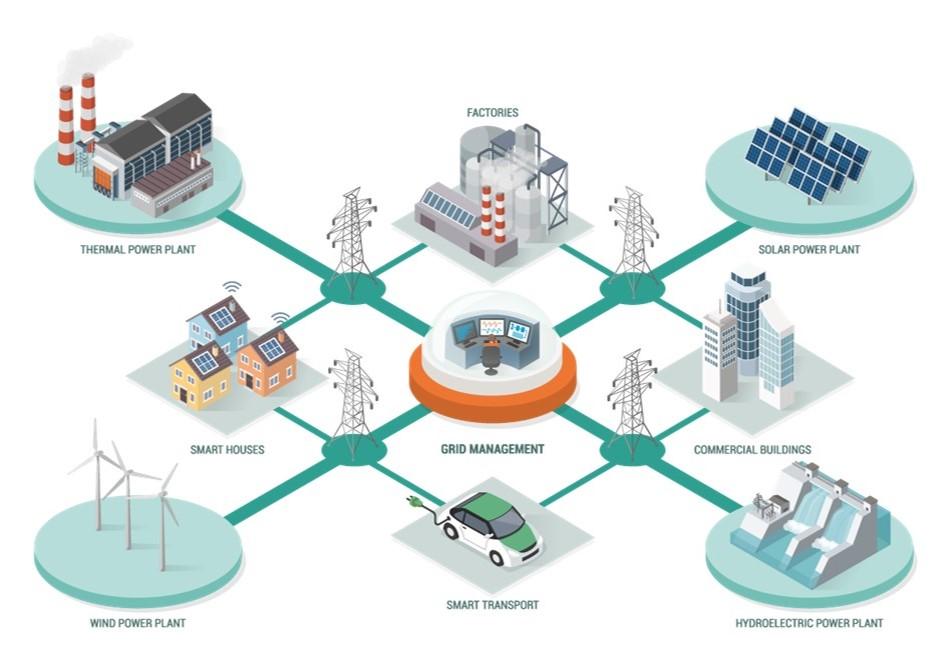
    Smart Environmental Systems: Deploying IoT sensors in urban environments and industrial facilities to monitor emissions, energy use, and water consumption helps cities and industries track environmental impact and optimize resource management..

    Real-time Monitoring: Integrating sensor data with BIM models enhances visualizing environmental performance. This informs sustainable operations, fostering informed decision-making.

    Picture background

     3. Advanced Water Treatment Technologies:-

    Membrane Filtration: Implementing nanotechnology and membrane processes is crucial for efficient water purification and desalination. These technologies enhance water quality and ensure sustainability, addressing current challenges and securing a cleaner water supply globally.

    Electrochemical Technologies: Discover how electrochemical and advanced oxidation processes transform industrial wastewater treatment, ensuring compliance, sustainability, and environmental protection.

    4. Circular Economy and Sustainable Materials:-

    Recycling Innovations: Developing advanced recycling technologies not only helps recover valuable materials from waste streams but also promotes closed-loop systems, reducing environmental impact and fostering sustainable practices.

    Biodegradable Materials: I'm researching how to incorporate bioplastics and biodegradable materials into construction and packaging to reduce environmental impact. This approach aims to enhance sustainability in these industries.

    Environmental Engineering: Impact on Communities and Ecosystems:-

    Behind every technological advancement in environmental engineering lies a profound human impact. By integrating BIM with emerging technologies, BIM ensures:

    Community Health and Safety: Protecting public health by reducing exposure to pollutants and contaminants through advanced monitoring and treatment technologies.

    Ecosystem Conservation: Preserving biodiversity and natural habitats by implementing sustainable practices and minimizing environmental footprint.

    Climate Resilience: Building resilient infrastructure and cities that can withstand climate impacts such as floods, storms, and heatwaves, ensuring safety and continuity for communities.

    Picture background

    Innovating for a Sustainable Future: Collaboration and Adaptation:-

    In our ever-evolving environmental landscape, Building Information Modeling (BIM) emerges as a pivotal force, spearheading the development of innovative solutions. These solutions not only prioritize sustainability, resilience, and social equity but also pave the way for a more harmonious coexistence with our planet:

    Digital Twins and Simulation: Creating digital replicas of natural ecosystems and built environments helps model climate scenarios, predict impacts, and guide adaptive management strategies, improving our ability to understand and respond to environmental changes effectively.

    Cross-sector Collaboration: We collaborate closely with governments, academia, NGOs, and private sectors to develop comprehensive solutions and policies that effectively tackle global environmental challenges. By working together, we aim to create impactful initiatives that foster sustainable development and ensure a brighter future for all.

    Public Engagement and Education: We empower communities through education, outreach, and participatory decision-making, fostering environmental stewardship and sustainability. This engages residents to take ownership of their environment, ensuring a collective effort towards a sustainable future for generations.

    Your Role in Environmental Engineering: Empowering Change:-

    Studying emerging technologies in environmental engineering through BIM is more than just pursuing a career; it's about embracing a mission to protect our planet and ensure a sustainable future for all. Whether your goal is to innovate new technologies, advocate for policy reform, or engage communities in environmental stewardship, your journey starts here.

    Conclusion: Pioneering a Sustainable Path Forward:-

    In conclusion, the integration of emerging technologies in environmental engineering through BIM exemplifies a fusion of technology, empathy, and foresight. By humanizing this science and recognizing its profound impact on communities and ecosystems, we empower ourselves to take decisive action and drive positive change. Ultimately, these advancements not only enhance efficiency but also nurture a sustainable future for generations to come.

    As we stand at the forefront of environmental engineering, meanwhile, the world is counting on us to make a difference. Join us at BIM in embracing the challenge and privilege of shaping a sustainable future. In fact, together, we can innovate, collaborate, and pioneer a path forward that not only benefits our planet but also ultimately enriches the lives of our children and grandchildren. Furthermore, every technological advancement we make contributes to a healthier planet, thriving communities, and a legacy of environmental stewardship that will be remembered for generations to come. As a result, we'll be proud to say that we've made a real difference in the world.

    Read more on:-

    For more information about engineering, architecture, and the building & construction sector, go through the posts related to the same topic on the Pinnacle IIT Blogs page.

    Find out more accurately what we are going to take off in the course of applying leading new technologies and urban design at Pinnacle IIT.

    Subscribe to our YouTube channel and blog websites to obtain all the up-to-date information relating to construction matters.
  • How BIM Changes Water Treatment: Improving Quality of Life

    How BIM Changes Water Treatment: Improving Quality of Life

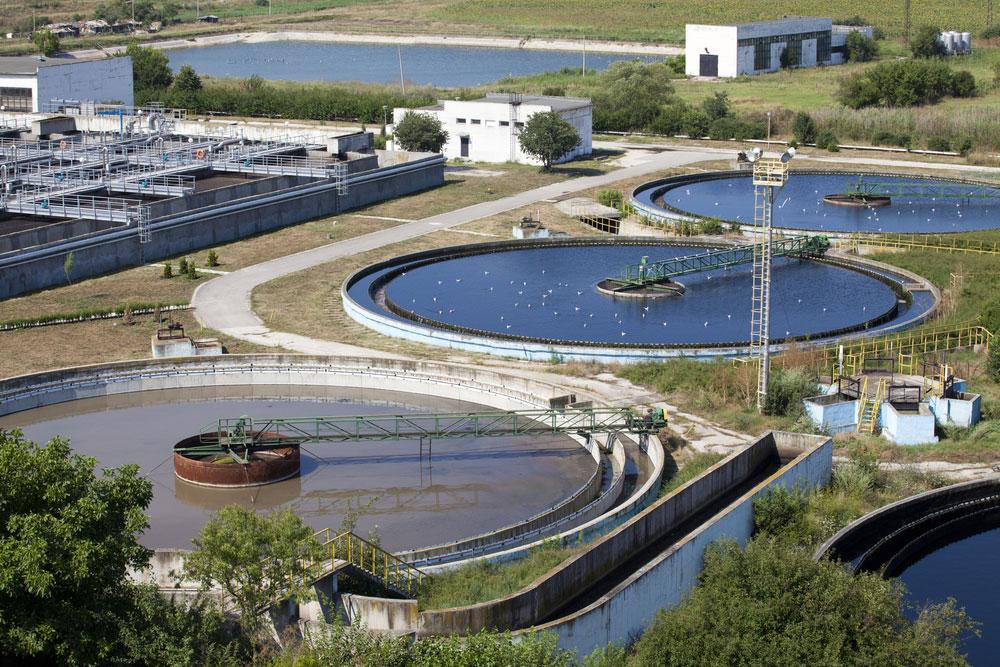
    Welcome to a journey into the heart of water treatment technologies, guided by the expertise and commitment of the Bureau of Environmental Engineering (BIM). In this blog, we will delve into the essential role of water treatment, the innovative technologies employed, and the profound impact on communities and ecosystems worldwide. By understanding these processes, we can appreciate how crucial clean water is to our daily lives.

    Moreover, we will explore the fascinating ways BIM is leading the way in ensuring access to safe and sustainable water resources. Join us as we humanize the science behind clean water, highlighting the dedication and passion of those working tirelessly to make a difference. Together, let's uncover the story of water treatment and its significance for our health and environment.

    The Significance of Water Treatment: Beyond the Basics:-

    Water is not just essential for life; it's the lifeblood of communities, industries, and ecosystems. Moreover, effective water treatment goes beyond mere filtration—it involves a complex blend of science, engineering, and compassion. In other words, it's about ensuring that every drop of water we use is safe, clean, and sustainable for future generations.

    Understanding Water Quality: Challenges and Solutions:-

    Water quality management is a pressing global issue, with challenges ranging from industrial pollution to natural contaminants and aging infrastructure. BIM tackles these challenges head-on, employing a range of technologies to purify and protect our most precious resource:

    1. Conventional Treatment Processes:-

    Conventional treatment processes, in fact, form the backbone of municipal water treatment facilities. They typically include:

    Coagulation and Flocculation: Chemical processes that aggregate impurities into larger particles for easier removal.

    Sedimentation: Allowing particles to settle out of the water under the influence of gravity.

    Filtration: Filtering water through layers of sand, gravel, and activated carbon effectively removes remaining suspended particles and microorganisms.

    Picture background

    2. Advanced Treatment Technologies:-

    In addition to conventional methods, BIM pioneers advanced technologies that enhance water quality and sustainability. Moreover, these innovative solutions not only improve efficiency but also contribute significantly to environmental conservation:

    Membrane Filtration: By utilizing ultrafiltration, nanofiltration, and reverse osmosis membranes, we effectively remove contaminants at the molecular level.

    UV Disinfection: Employing ultraviolet light effectively deactivates pathogens, ensuring drinking water is microbiologically safe.

    Advanced Oxidation Processes (AOPs): Using innovative chemical reactions, we tackle persistent organic pollutants and pharmaceutical residues head-on.

    Picture background

    Impact: Communities and Beyond:-

    Behind every water treatment plant and technological advancement lies a profound human impact. Clean water is not just a convenience; it's a fundamental right and a catalyst for societal progress:

    Health and Well-being: Access to clean water significantly reduces the spread of waterborne diseases, thereby improving public health and enhancing the quality of life.

    Economic Development: Moreover, reliable water treatment supports industries, agriculture, and tourism, thereby driving economic growth and stability.

    Environmental Stewardship: Protecting water sources and ecosystems ensures biodiversity and resilience against climate change impacts.

    BIM's Approach: Excellence in Education and Innovation:-

    At BIM, excellence in water treatment technology begins with education. Our interdisciplinary curriculum equips students with the knowledge and skills to design, implement, and optimize water treatment systems. Moreover, through hands-on experience and collaboration with industry leaders, BIM graduates are prepared to address complex water challenges with creativity and expertise. Consequently, our students emerge as innovative problem-solvers ready to make a difference.

    Innovating for the Future: Sustainability and Resilience:-

    As environmental challenges evolve, our approach to water treatment must also adapt. Therefore, BIM leads the way in developing sustainable solutions that prioritize resource efficiency and environmental resilience. Consequently, we can ensure that our methods remain effective and forward-thinking. By integrating BIM into our practices, we not only enhance sustainability but also bolster our ability to meet future challenges head-on by:

    Water Reuse and Recycling: Reusing wastewater involves treating it for various applications, including irrigation, industry, and even potable uses. Consequently, this process helps conserve freshwater resources. Additionally, it reduces environmental pollution and promotes sustainable water management. Therefore, adopting wastewater reuse is a crucial step towards a more sustainable future..

    Smart Water Management: Integrating IoT sensors and data analytics to optimize water use, detect leaks, and improve operational efficiency.

    Climate Adaptation Strategies: Designing resilient infrastructure to mitigate the impacts of droughts, floods, and changing precipitation patterns.

    Your Role in the Water Treatment Journey: Making a Difference:-

    Choosing to study water treatment technologies at BIM is more than just a career choice—it's a commitment to global health, sustainability, and social equity. Moreover, whether you aspire to innovate new technologies, advocate for water conservation policies, or educate communities about water stewardship, your journey starts here. In addition, you'll be joining a community dedicated to making a meaningful impact on the world. Ultimately, your decision to study at BIM will empower you to drive positive change and contribute to a healthier planet for all.

    Conclusion: A Call to Action for a Water-Secure Future:-

    In conclusion, water treatment technologies by BIM embody both the science and the soul of environmental engineering. By humanizing the technology and understanding its profound impact on communities and ecosystems, we empower ourselves to make informed decisions and drive positive change. Consequently, we foster a deeper connection with the environment and inspire others to join our efforts. Ultimately, it is through this collective action that we can achieve sustainable progress and protect our planet for future generations.

    Read more on:-

    For more information about engineering, architecture, and the building & construction sector, go through the posts related to the same topic on the Pinnacle IIT Blogs page.

    Find out more accurately what we are going to take off in the course of applying leading new technologies and urban design at Pinnacle IIT.

    Subscribe to our YouTube channel and blog websites to obtain all the up-to-date information relating to construction matters.
  • A Beginner’s Guide to Environmental Engineering in the Modern World

    A Beginner’s Guide to Environmental Engineering in the Modern World

    Welcome to Environmental Engineering, where science, compassion, and innovation unite to safeguard our planet. Join us as we explore the core principles taught by the Bureau of Environmental Engineering (BIM). Through this exploration, we'll delve into both the technical intricacies and the profound human connections inherent in this field. Ultimately, it's a journey of understanding our impact and responsibility in preserving Earth's resources.

    Embracing Environmental Engineering: Why It Matters:-

    Environmental engineering is more than a career; rather, it's a profound commitment to safeguarding the Earth and improving the quality of life for everyone. It encompasses a wide range of challenges and solutions, including ensuring clean water and air, managing waste, and combating climate change. Moreover, at its heart, environmental engineering strives for a harmonious balance between human development and environmental preservation.

    Picture background

    A Historical Tapestry: From Necessity to Innovation:-

    The roots of environmental engineering trace back to a time when rapid industrialization posed unprecedented threats to public health and the natural world. Consequently, pioneers like John Snow and Joseph Bazalgette laid the groundwork for modern sanitation and water management practices. They recognized early on the vital link between environmental quality and human well-being, paving the way for future advancements in the field.

    Picture background

    BIM's Commitment to Excellence: Education and Training:-

    At BIM, the pursuit of excellence in environmental engineering education is paramount. Moreover, our curriculum blends rigorous scientific principles with practical, hands-on experience, ensuring students are well-prepared to tackle real-world challenges with creativity and confidence. From the fundamentals of chemistry and biology to advanced engineering techniques, BIM equips future environmental engineers with the skills needed to make a difference.

    The Challenges We Face: Real-world Issues and Solutions:-

    Today, environmental engineers face a myriad of challenges. Consequently, each challenge demands innovative solutions and a deep understanding of interconnected systems. For instance, in Water Quality Management, engineers ensure access to safe and clean water worldwide through advanced treatment technologies. Additionally, in Air Pollution Control, they mitigate emissions from industrial processes, transportation, and urban development to enhance air quality and public health. Moreover, in Waste Management, engineers develop efficient systems for waste disposal, recycling, and resource recovery. Lastly, in Climate Change Mitigation, strategies are implemented to reduce greenhouse gas emissions, enhance resilience to climate impacts, and promote sustainable development practices.

    The Human Element: Impact and Empathy:-

    Beyond the technical complexities, environmental engineering is deeply rooted in empathy and a sense of responsibility towards future generations. Moreover, it's about understanding the interconnectedness of all life on Earth and striving to leave a positive legacy. Every decision made in this field, whether designing a wastewater treatment plant or advocating for policy changes, has the potential to improve lives and protect ecosystems.

    Innovations Driving the Future: Technology and Collaboration:-

    Innovation is at the forefront of environmental engineering, thereby driving progress towards a sustainable future:

    Advanced Monitoring Technologies: Utilize's sensors and data analytics to monitor environmental parameters in real-time, thereby enabling proactive management and response.

    Renewable Energy Solutions: By harnessing the power of solar, wind, and other renewable sources, we can reduce reliance on fossil fuels and mitigate climate impacts.

    Green Infrastructure: Integrating natural systems into urban planning to enhance resilience, conserve resources, and improve quality of life.

    https://avatars.mds.yandex.net/i?id=14d1ac483f58aa05558ca286edd89eacac398bd2-5230232-images-thumbs&n=13

    Your Role in Environmental Engineering: Joining the Movement:-

    Choosing to study environmental engineering at BIM isn't just about gaining knowledge; rather, it's about joining a global community dedicated to positive change. Whether you aspire to innovate new technologies, advocate for environmental justice, or educate future generations, your journey begins here.

    Conclusion: Shaping a Sustainable Future Together:-

    As we conclude our exploration of environmental engineering through the lens of BIM, remember that each of us has a role to play in shaping a sustainable future. By embracing science, empathy, and collaboration, we can overcome challenges and create thriving communities where nature and humanity flourish together.

    Join us at BIM in embracing the challenge and privilege of environmental engineering. Together, let's build a world where clean air, safe water, and healthy ecosystems are not just aspirations but realities for all. Let's make a difference one innovative solution, one compassionate action at a time.

    Read more on:-

    For more information about engineering, architecture, and the building & construction sector, go through the posts related to the same topic on the Pinnacle IIT Blogs page.

    Find out more accurately what we are going to take off in the course of applying leading new technologies and urban design at Pinnacle IIT.

    Subscribe to our YouTube channel and blog websites to obtain all the up-to-date information relating to construction matters.
  • How Project Management Is Made Better By Using BIM

    How Project Management Is Made Better By Using BIM

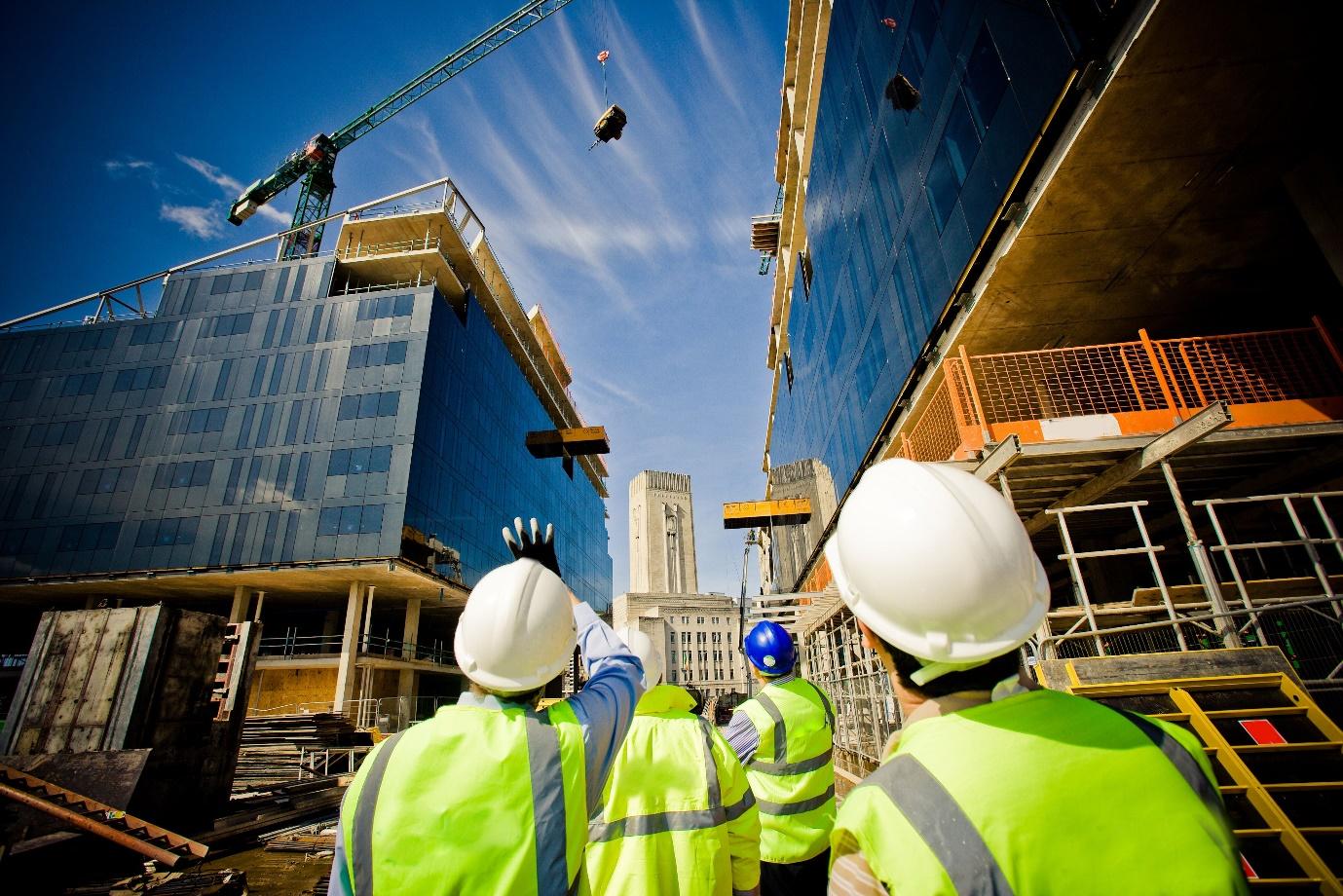
    In the dynamic world of construction, project management serves as the linchpin that ensures successful outcomes amidst complexity and uncertainty. Moreover, Building Information Modeling (BIM) has revolutionized the landscape of construction project management. By offering digital tools that enhance collaboration, streamline workflows, and improve decision-making, BIM transforms traditional practices. This blog explores the fundamentals of construction project management in the context of BIM. Specifically, it highlights its transformative impact on efficiency, communication, and the human aspects of project delivery.

    Introduction: The Evolution of Construction Project Management:-

    Construction project management is a multifaceted discipline that coordinates resources, schedules, and stakeholders to achieve project goals within time, budget, and quality constraints. Initially, project managers relied on manual processes and disparate systems to oversee projects, resulting in challenges like communication gaps, data silos, and inefficiencies in information sharing. However, with the advent of Building Information Modeling (BIM), project management practices have evolved significantly. BIM integrates project data into a unified platform, thereby fostering collaboration and enhancing project performance.

    Understanding Building Information Modeling (BIM):-

    Digital Collaboration: Additionally, BIM is a collaborative process that enables stakeholders to generate, manage, and exchange digital representations of physical and functional characteristics of a project. In contrast to traditional 2D drawings, BIM incorporates 3D models enriched with data attributes. This allows project teams to visualize designs, simulate construction sequences, and analyze performance metrics in real-time. Consequently, this holistic approach improves coordination among architects, engineers, contractors, and clients throughout the project lifecycle, thereby promoting transparency and informed decision-making.

    Case Study: Residential Construction Project:-

    Collaboration: Imagine a construction project team tasked with developing a residential complex using BIM. Initially, project managers collaborate closely with architects to visualize design concepts and simulate building performance in a virtual environment. Additionally, they optimize spatial layouts to ensure maximum efficiency. By integrating stakeholder feedback and real-time updates into the BIM platform, project managers foster a collaborative culture. Consequently, team members feel empowered to contribute their expertise and resolve conflicts proactively. Ultimately, this approach helps align project objectives with client expectations. Through effective digital collaboration, project managers not only enhance project efficiency but also minimize risks. Consequently, they deliver superior outcomes that significantly enrich community living experiences.

    Picture background

    Key Principles of Construction Project Management in BIM:-

    Integrated Project Delivery (IPD): BIM facilitates Integrated Project Delivery (IPD), a collaborative approach that aligns project stakeholders' goals and processes from the outset. Moreover, IPD encourages early involvement of key participants, shared risk-reward structures, and collective decision-making to optimize project outcomes. By leveraging BIM's data-driven insights, project managers can orchestrate multidisciplinary teams, synchronize workflows, and anticipate potential challenges, thereby fostering a unified project vision and accelerating project delivery timelines.

    Visualization and Simulation: BIM's visualization capabilities enable project managers to create 3D models that simulate construction sequences, logistics planning, and clash detection analysis. Consequently, this visual representation enhances communication clarity, facilitates stakeholder buy-in, and enables proactive problem-solving before construction commences. Moreover, project managers utilize simulations to assess construction phasing, evaluate safety protocols, and optimize resource utilization, ensuring operational efficiency and minimizing disruptions on-site.

    Case Study: Commercial Office Tower:-

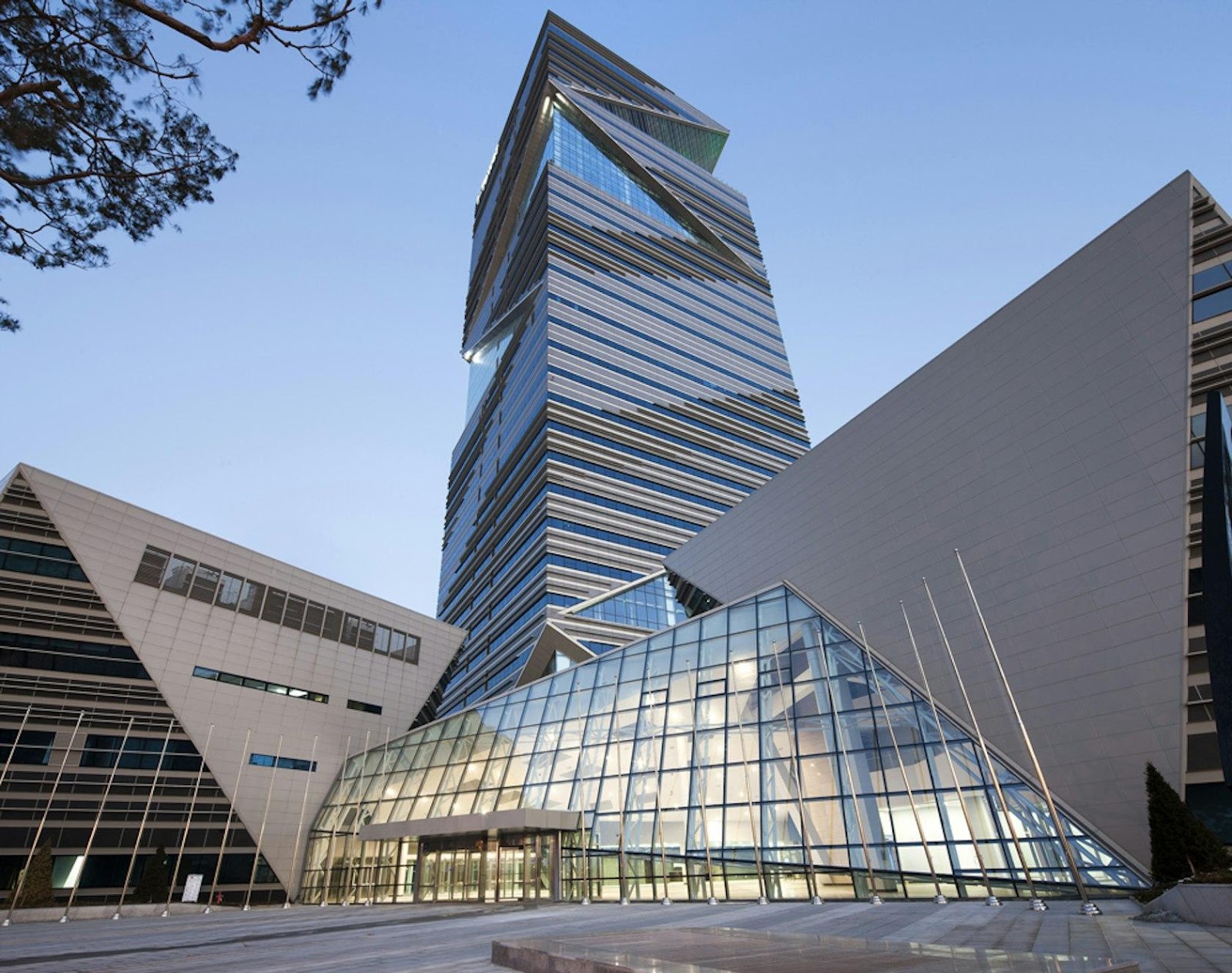
    Efficiency: Visualize a project manager overseeing the construction of a commercial office tower using BIM. Additionally, through virtual reality simulations and 4D scheduling, project managers coordinate with subcontractors, suppliers, and construction crews to sequence tasks, allocate resources, and monitor progress milestones. By visualizing construction activities in real-time and identifying potential bottlenecks or design conflicts, project managers optimize workflow efficiency. Consequently, this proactive approach helps mitigate schedule delays and uphold quality standards. Ultimately, this enhances stakeholder confidence, fosters a culture of accountability, and reinforces the project team's commitment to delivering a landmark structure that meets client expectations.

    Picture background

    Enhancing Communication and Stakeholder Engagement:-

    Transparency and Accountability: Building Information Modeling (BIM) centralizes project data, documents, and communication channels for easy stakeholder access. Additionally, project managers utilize BIM's cloud tools for real-time sharing, tracking revisions, and documenting decisions. This process fosters trust among stakeholders, mitigates disputes, and strengthens partnerships. Furthermore, open communication promotes transparency, effectively aligning projects with milestones and contractual obligations. Ultimately, BIM helps cultivate a collaborative culture that significantly enhances overall project success.

    Case Study: Infrastructure Expansion Project:-

    Stakeholder Relations: A project manager utilizes BIM to oversee an infrastructure expansion. Consequently, they collaborate closely with agencies, consultants, and the community to meet regulatory requirements. Virtual consultations and presentations effectively address public concerns. Guided by empathy and ethical leadership, they ensure inclusive decision-making processes. By actively engaging stakeholders, they ensure the project aligns seamlessly with community needs. Moreover, they enhance public well-being through meticulous planning. Sustainable development remains their unwavering priority throughout the project lifecycle. Transparent communication and continuous feedback contribute significantly to project success. Stakeholder input is actively sought and thoughtfully integrated. Ultimately, the project culminates in a well-rounded and community-focused infrastructure development.

    Embracing Innovation and Continuous Improvement:-

    Adaptive Project Management: BIM helps project managers adapt to changing project dynamics and challenges. Moreover, it uses data analytics to track performance and risks. This enables managers to quickly take corrective actions in real-time. Furthermore, insights from BIM drive continuous improvement and process optimization. Additionally, lessons from past projects inform better strategies. Moreover, BIM promotes innovative construction methods. Consequently, it helps meet and exceed client expectations. Moreover, real-time data ensures timely decision-making. Furthermore, project managers can easily monitor key performance indicators. Ultimately, this leads to more efficient and successful projects.

    Case Study: Educational Facility Renovation:-

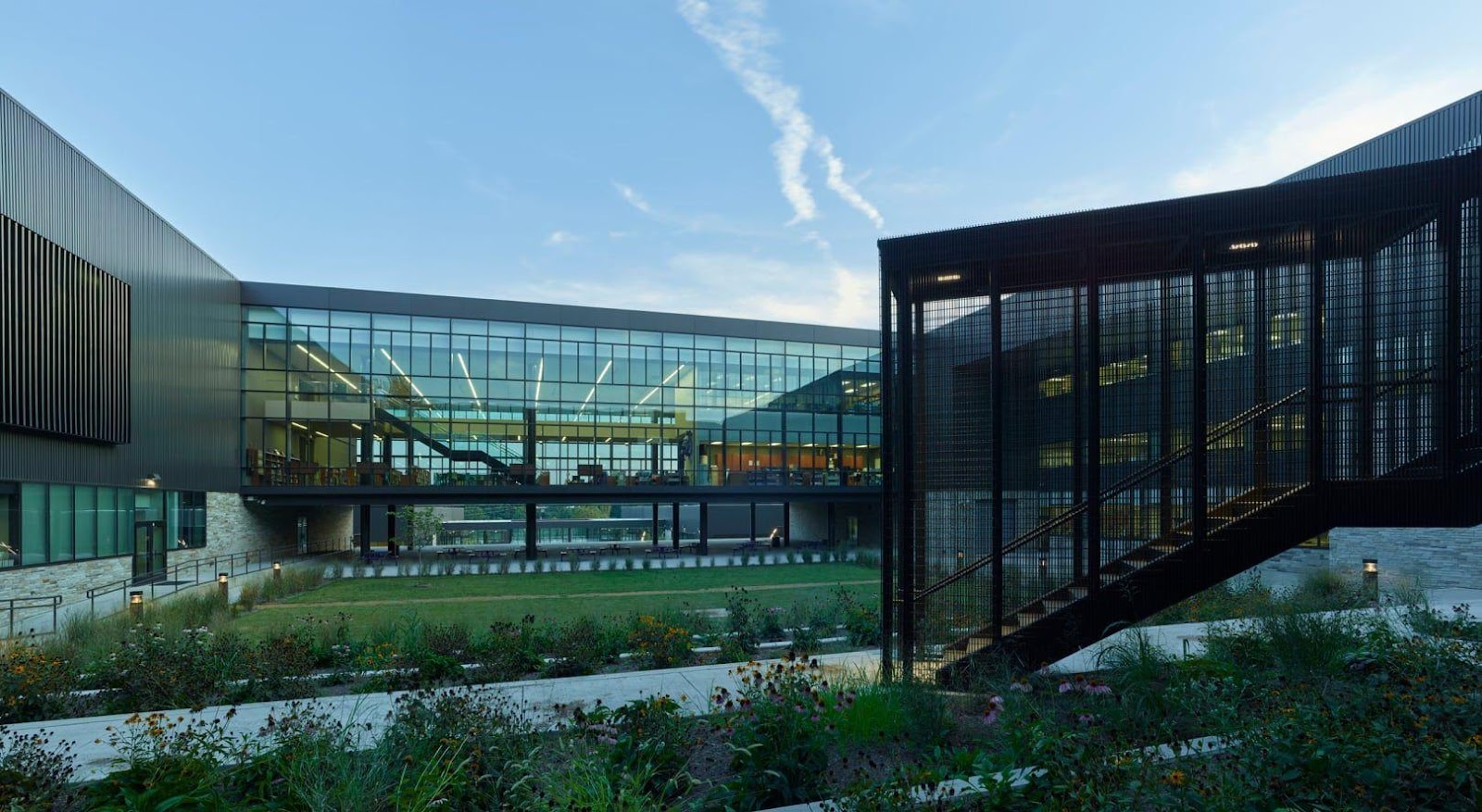
    Innovation: Imagine a project manager renovating a school with BIM. They use lean construction and prefabrication to cut waste and save time. BIM analytics help them optimize materials and streamline logistics. They focus on achieving cost efficiencies that support educational goals. By embracing innovation, they show their commitment to sustainability and resilience. Their approach ensures excellence in construction management.

    Picture background

    Conclusion: Shaping the Future of Construction Project Management with BIM:-

    In conclusion, Building Information Modeling (BIM) empowers construction managers to innovate and collaborate effectively. It enhances digital collaboration, visualization, and project delivery. BIM helps managers navigate challenges and uphold ethical standards. This tool drives efficiency and improves communication. Ultimately, BIM creates lasting infrastructure that enriches communities and improves life quality.

    Read more on:-

    For more information about engineering, architecture, and the building & construction sector, go through the posts related to the same topic on the Pinnacle IIT Blogs page.

    Find out more accurately what we are going to take off in the course of applying leading new technologies and urban design at Pinnacle IIT.

    Subscribe to our YouTube channel and blog websites to obtain all the up-to-date information relating to construction matters.