Author: Harsheel Purohit

  • Historical Architecture Preservation

    Historical Architecture Preservation

    Historical buildings are more than just architectural marvels; they are repositories of human stories, cultural heritage, and societal evolution. From ancient temples to medieval castles and modern landmarks, these structures embody the aspirations, ingenuity, and resilience of past generations. Join us on a journey through history as we explore the significance of historical buildings, the challenges of preservation, and the human narratives that breathe life into these iconic structures.

    Introduction: Unveiling the Tapestry of Historical Buildings:-

    Historical buildings serve as tangible links to our collective past. They offer insights into the cultural, social, and technological achievements of civilizations across centuries. Delving into the history of preservation and restoration efforts from 1500 to 2000 reveals a complex interplay. This interplay involves architectural heritage, community identity, and the imperative to safeguard these treasures for future generations.
    Picture background

    Ancient Wonders: Legacy of Civilization and Cultural Identity:-

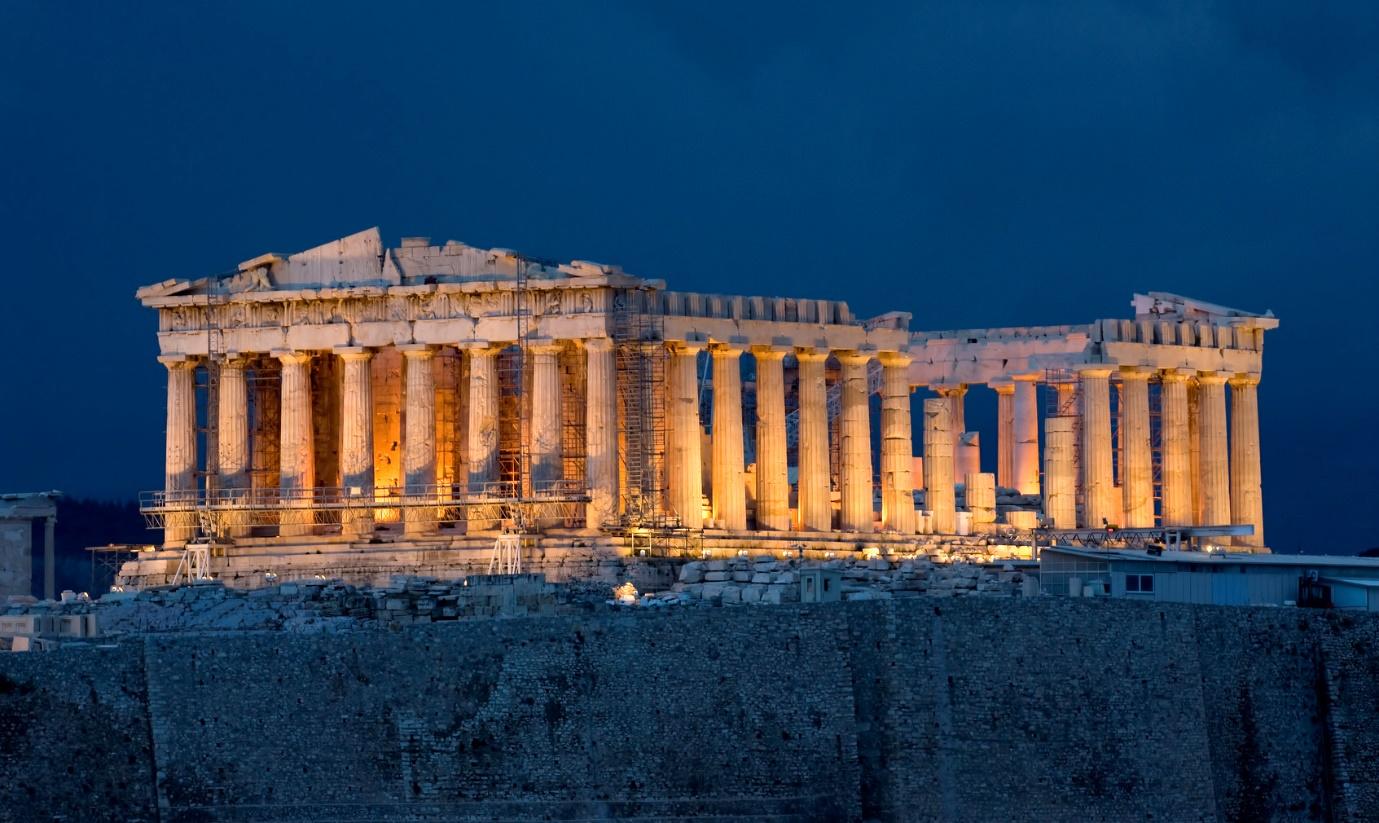
    The Parthenon stands as a testament to ancient Greek architecture and artistic mastery, dedicated to Athena, the city's patron goddess. Constructed in the 5th century BCE, the Parthenon's iconic Doric columns and intricate friezes reflect Athens' golden age and enduring cultural legacy.

    Example: Parthenon in Athens, Greece
    Picture background
    Parthenon in Athens, Greece

    Ancient Preservation: Preserving ancient structures like the Parthenon requires meticulous craftsmanship and ethical considerations. Archaeologists, architects, and local communities collaborate closely. They aim to ensure authenticity and respect cultural significance. This collaborative effort honors the craftsmanship of past artisans while safeguarding against natural decay and modern environmental challenges.

    Medieval Fortresses: Guardians of History and Strategic Strength:-

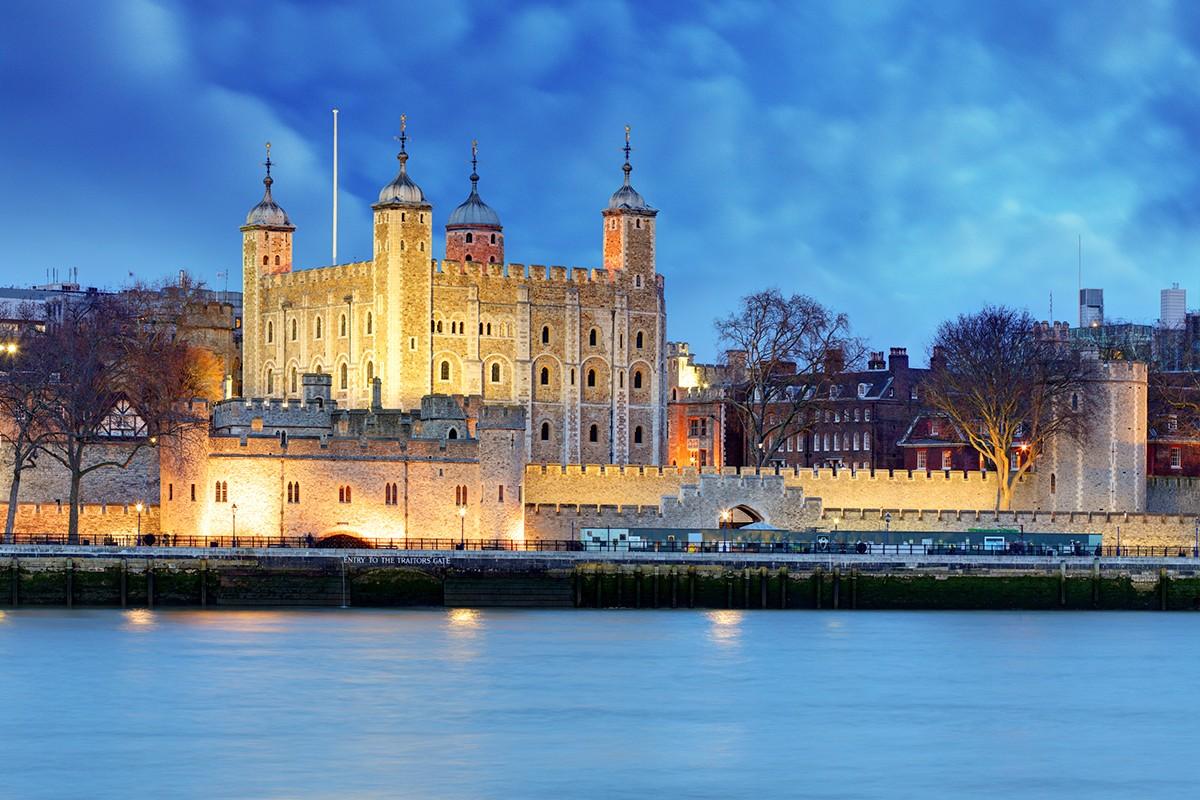
    The Tower of London, built in the 11th century, served multiple roles. It functioned as a royal palace, fortress, and prison, embodying England's medieval history and political intrigue. Its formidable stone walls and the iconic White Tower symbolize power dynamics and societal values in medieval Europe.

    Example: Tower of London, United Kingdom
    Picture background
    Tower of London, UK

    Medieval Preservation: Preserving medieval fortresses involves balancing historical authenticity with adaptive reuse for contemporary purposes. Conservation efforts aim to maintain structural integrity. They also focus on accommodating modern amenities and ensuring visitor accessibility. This approach helps these historic landmarks remain relevant cultural assets for education and tourism.

    Renaissance Splendor: Revival of Classical Ideals and Artistic Expression:-

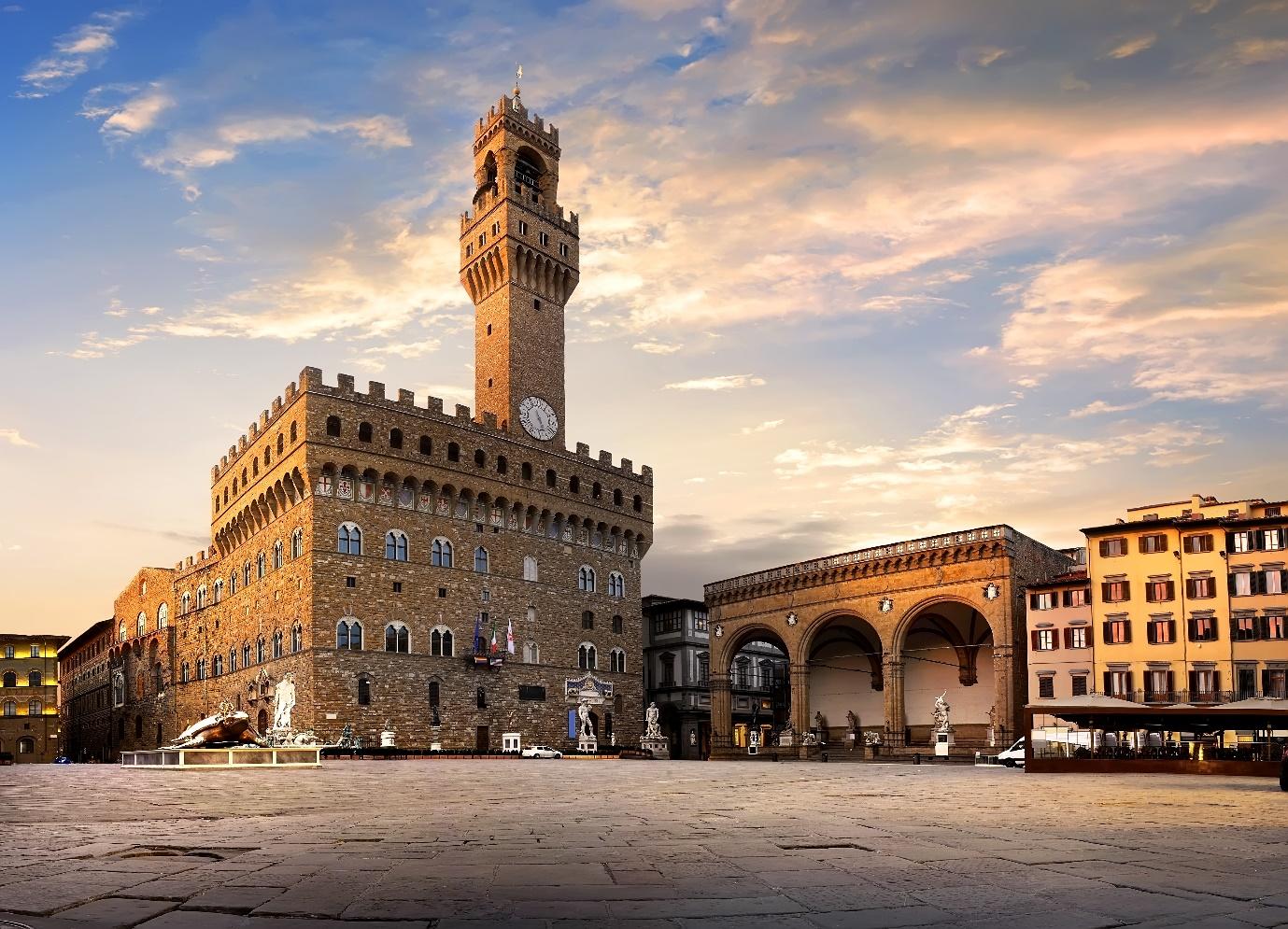
    The Palazzo Vecchio was designed by architect Arnolfo di Cambio in the late 13th century. It exemplifies Renaissance architecture and civic pride. The building's imposing facade and elaborate frescoes by artists like Michelangelo highlight Florence's cultural renaissance and political influence. The ornate chambers further underscore its historical significance.

    Example: Palazzo Vecchio in Florence, Italy
    Picture background
    Palazzo Vecchio in Florence, Italy

    Renaissance Preservation: Preserving Renaissance palaces involves safeguarding artistic treasures and architectural integrity. Conservationists collaborate closely with art historians and restoration experts. Together, they protect fragile frescoes and sculptures. Their goal is to ensure that future generations can appreciate these cultural treasures in their original splendor.

    Industrial Revolution: Challenges and Innovations in Preservation:-

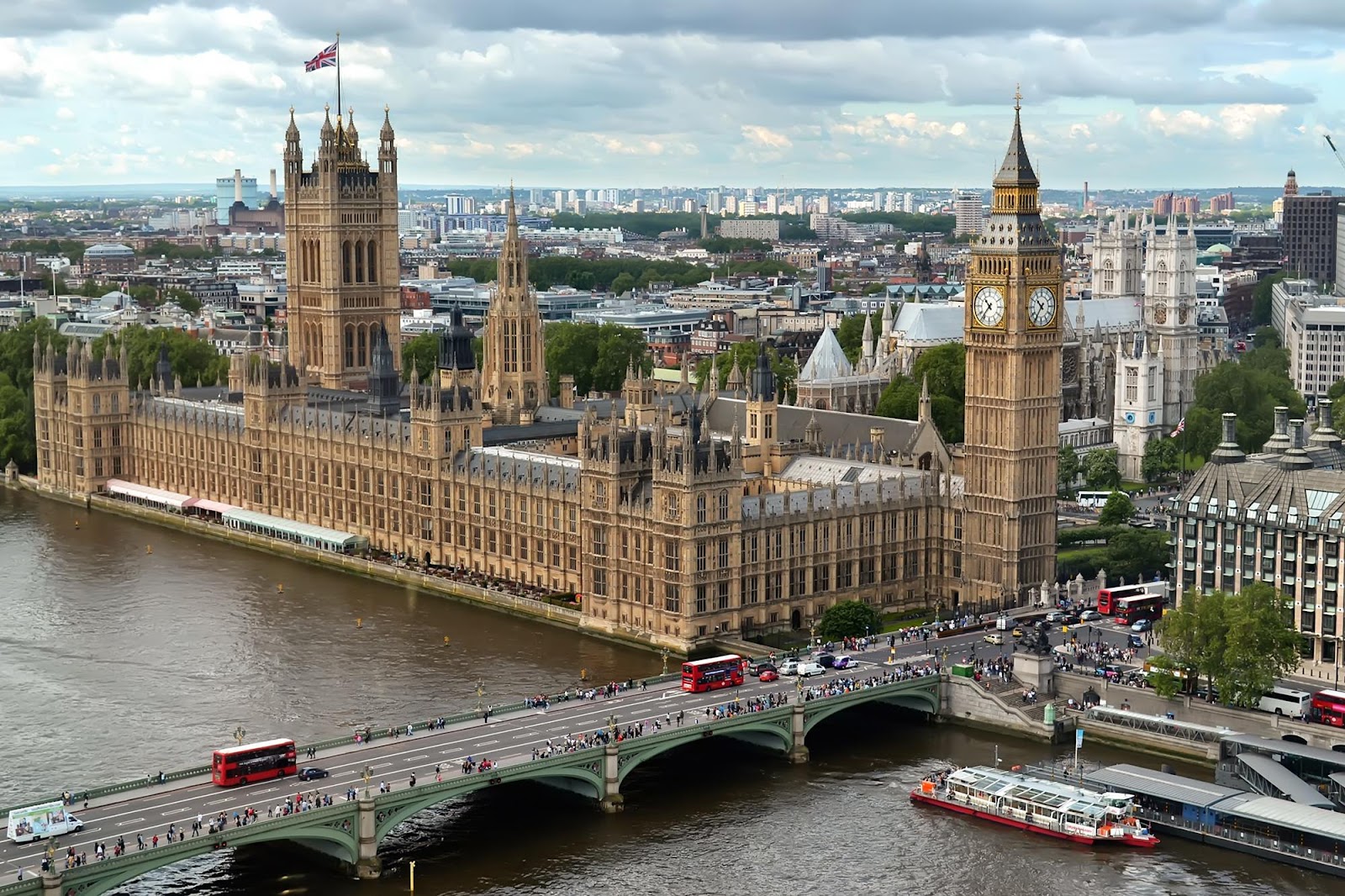
    The Houses of Parliament were completed in the 19th century and embody Victorian Gothic architecture. They also symbolize parliamentary democracy. Architectural conservation efforts face challenges such as industrial pollution, structural deterioration, and the need for sustainable preservation practices.

    Example: Houses of Parliament, United Kingdom
    Picture background
    Houses of Parliament, UK

    Industrial Preservation: Preserving Victorian-era landmarks demands innovative approaches. Conservationists use advanced materials and techniques. These methods mitigate pollution and climate change effects. They aim to preserve architectural authenticity, ensuring public safety and accessibility.

    Modern Icons: Architectural Heritage in the Contemporary Age:-

    – Preserving Victorian-era landmarks demands innovative approaches. Conservationists employ advanced materials and techniques to mitigate pollution and climate change effects. Their aim is to preserve architectural authenticity while ensuring public safety and accessibility.

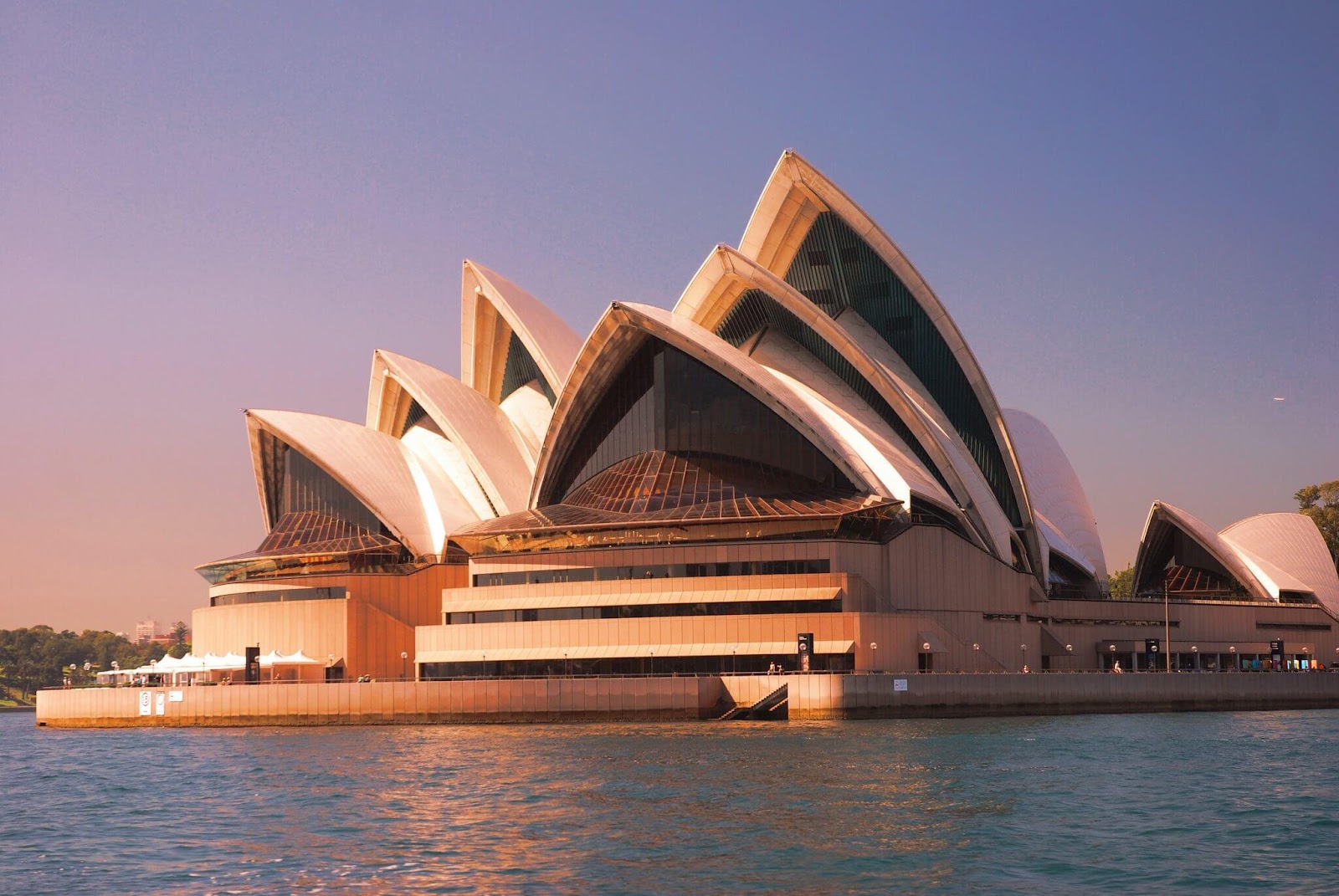
    Example: Sydney Opera House, Australia
    Picture background
    Sydney Opera House, Australia

    Modern Preservation: Preserving modern architectural icons is a delicate balance of innovation and respect. Conservation efforts prioritize maintaining structural integrity and enhancing energy efficiency. They also focus on accommodating evolving artistic performances. Overall, these efforts ensure that these landmarks continue to inspire and enrich global cultural heritage.

    Challenges of Preservation: Ethics, Sustainability, and Community Engagement:-

    Preserving historical buildings presents challenges. Conservation efforts must navigate ethical dilemmas, sustainability considerations, and community engagement. Architects, historians, policymakers, and local communities collaborate. They strive to strike a balance between preservation imperatives and contemporary needs. This fosters a shared sense of ownership and cultural pride.

    Conclusion: A Legacy of Preservation and Cultural Stewardship:-

    Historical buildings are more than relics; they embody human creativity, resilience, and cultural identity. Preserving these treasures with empathy and innovation honors past generations and enriches our global community.

    Reflecting on preservation history from 1500 to 2000, we applaud preservationists, artisans, and communities. They safeguard these landmarks for future generations, ensuring our shared heritage inspires and educates for centuries.

    Viewed through history and responsible stewardship, preservation is both a duty and a testament to our collective humanity. It demonstrates enduring respect for architectural excellence and cultural continuity.

    Read more on:-

    For more information about engineering, architecture, and the building & construction sector, go through the posts related to the same topic on the Pinnacle IIT Blogs page.

    Find out more accurately what we are going to take off in the course of applying leading new technologies and urban design at Pinnacle IIT.

    Subscribe to our YouTube channel and blog websites to obtain all the up-to-date information relating to construction matters.


  • Humanized Architecture & Design Tech

    Humanized Architecture & Design Tech

    Architecture and technology are fundamentally about people. From ancient marvels to futuristic skyscrapers, they showcase human ingenuity. Architectural evolution intertwines with cultural values and societal needs. Join us to explore the human side of these fields. Discover centuries of innovation, visionary architects, and their empathetic and creative impact on our environment.

    Introduction: Rediscovering Architecture Through Human Lens:-

    Picture background

    Architecture is more than just the art of building structures; It is an expression of human aspirations, cultural identity, and societal progress. As we embark on a journey through the history of architecture and technology, We uncover how each era's innovations have been driven by a desire to enhance the human experience, Foster community, and harmonize with nature.

    Ancient Wonders: Ingenuity and Cultural Identity:-

    The pyramids of Giza stand as timeless symbols of ancient Egyptian civilization's architectural prowess and cultural identity. These monumental structures were built with precise craftsmanship and innovative engineering techniques. They were not only tombs for pharaohs but also expressions of spiritual beliefs. These structures reflected societal organization. Their design showcased the advanced engineering of the time.

    Picture background
    Ancient Egyptian Pyramids

    Ancient Architecture: Behind the grandeur of the pyramids lies a testament to human collaboration. These structures showcase remarkable craftsmanship and community solidarity. Architects and builders worked together, often across generations. They created enduring monuments that reflected the values and aspirations of their society.

    Renaissance: Revival of Classical Ideals:-

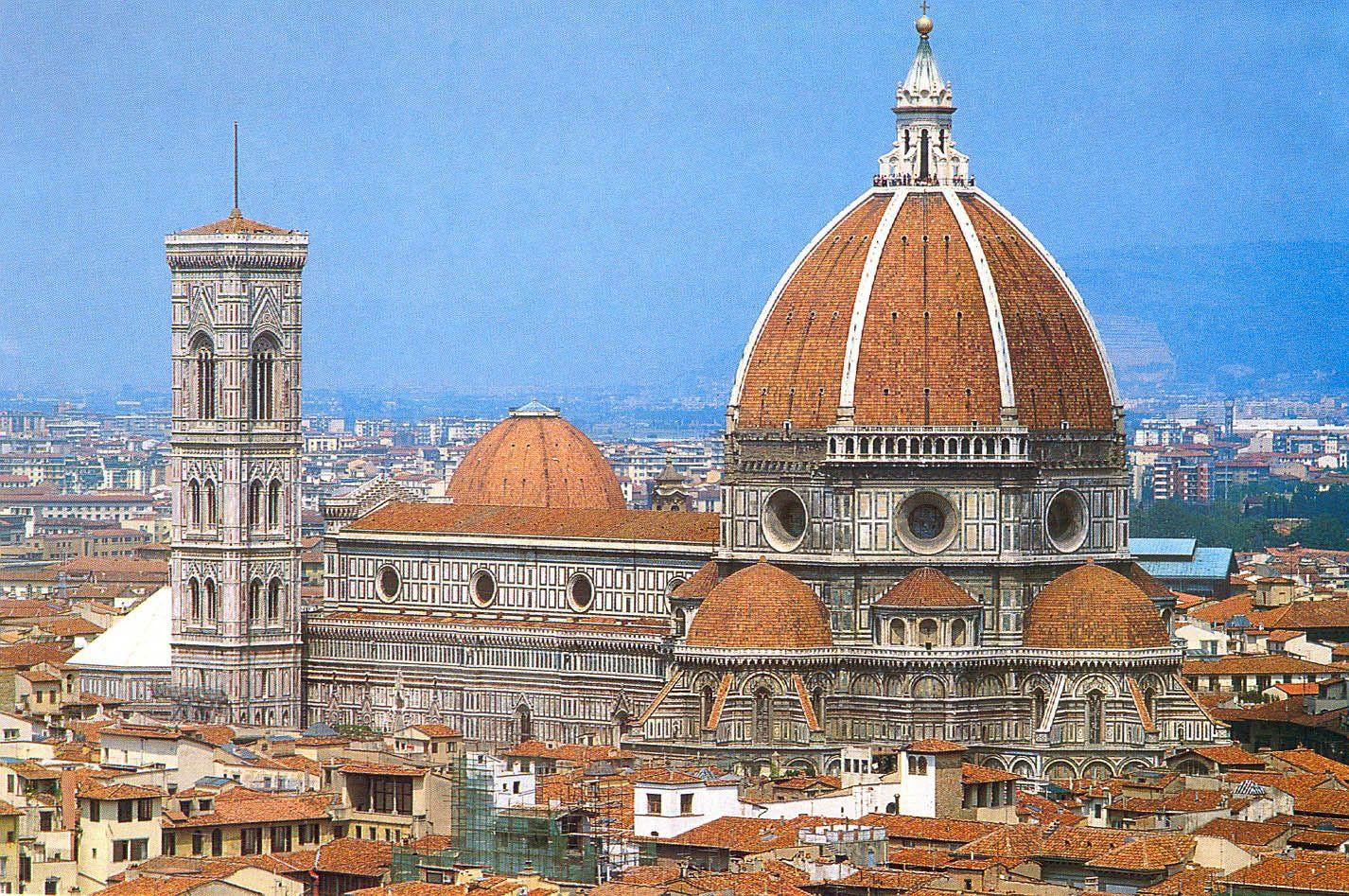
    – Filippo Brunelleschi's dome is a masterpiece of Renaissance engineering and artistic expression. By employing innovative techniques like double-shell construction and herringbone brickwork, Brunelleschi achieved more than just solving complex structural challenges. His work also became a soaring symbol of Florence's cultural and civic pride. Brunelleschi's use of double-shell construction and herringbone brickwork represented a departure from traditional methods. These innovations not only showcased his engineering prowess but also highlighted Florence's commitment to pushing architectural boundaries. His achievement remains a testament to both technical ingenuity and cultural significance in Renaissance Italy.

    Picture background
    Filippo Brunelleschi's Dome of Florence Cathedral

    Renaissance Innovation: Brunelleschi's achievement extends beyond technical expertise; it embodies a Renaissance spirit of curiosity, creativity, and human achievement. His meticulous planning and dedication to craftsmanship set a standard for architects. This standard encouraged them to push boundaries and explore new possibilities in architectural design. Brunelleschi's legacy continues to inspire modern architects seeking to blend innovation with tradition. His work serves as a timeless reminder of the transformative power of vision and dedication in shaping architectural landscapes.

    Industrial Revolution: Innovation and Urban Transformation:-

    The Industrial Revolution brought about a paradigm shift in architectural possibilities with the introduction of iron and steel as structural materials. Architects and engineers leveraged these materials to create bold new designs. These designs ranged from railway stations to skyscrapers, transforming urban landscapes and enabling unprecedented urban growth.

    Example: Iron and Steel Structures

    Picture background

    Industrial Innovations: As cities expanded rapidly during the Industrial Revolution, architects confronted ethical dilemmas. They grappled with the impact of technological progress on social equity and environmental sustainability. Innovations in architecture went beyond simply building bigger and taller structures. They aimed at improving living conditions, enhancing public health, and fostering community resilience.

    Modernism: Functionality and Social Progress:-

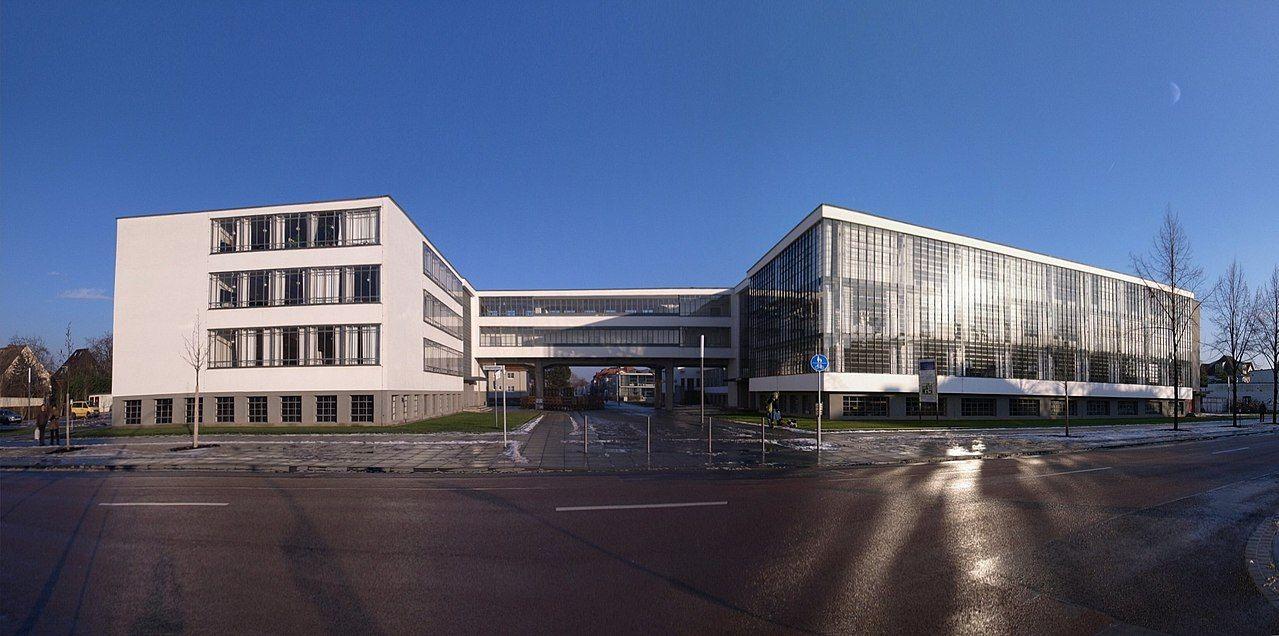
    – The Bauhaus school championed modernist principles of functionality, simplicity, and the integration of art and technology. Architect Walter Gropius envisioned architecture as a total work of art (Gesamtkunstwerk), where design excellence serves societal needs and aspirations for a better quality of life.

    Example: Bauhaus Movement and Walter Gropius

    Picture background
    Bauhaus School

    Modernist Ideals: Bauhaus architects aimed to democratize design and make architecture accessible to all. They achieved this through innovative use of materials and standardized construction methods. Additionally, they adopted collaborative interdisciplinary approaches. Their emphasis on human-centered design and social progress profoundly influenced architectural education and practice for generations to come.

    Digital Age: Collaboration and Sustainability:-

    Example: CAD and BIM Technologies

    The advent of Computer-Aided Design (CAD) and Building Information Modeling (BIM) revolutionized architectural practice, enabling precise digital modeling, simulation, and collaborative design processes.

    Architects leverage these technologies to enhance design accuracy, optimize building performance, and integrate sustainable practices into their projects, fostering a more interconnected and resilient built environment.

    Digital Design: CAD and BIM tools empower architects in several ways. They help architects engage stakeholders and visualize design concepts effectively. Additionally, these technologies enable architects to communicate ideas with clarity and precision. By leveraging CAD and BIM tools, architects can address complex challenges such as climate change, resource scarcity, and urbanization. They do so while prioritizing human well-being and environmental stewardship.

    Contemporary Challenges: Sustainability and Ethical Design:-

    Contemporary architects integrate sustainable design principles, such as passive heating and cooling, renewable energy systems, and green materials, to mitigate environmental impact and promote resilience.

    Green building certifications like LEED (Leadership in Energy and Environmental Design) serve as guides for architects. They focus on designing buildings that prioritize energy efficiency, water conservation, and occupant health. These certifications reflect a commitment to responsible architecture.

    Example: Green Building Practices

    Picture background

    Sustainability: Architects today confront global challenges with empathy, creativity, and ethical considerations. They advocate for regenerative design practices aimed at restoring ecosystems and enhancing community well-being. Architects also strive to promote social equity through inclusive design approaches. By humanizing architecture through sustainable innovation and inclusive design, architects envision a future where technology serves humanity and enhances our collective quality of life.

    Conclusion: Towards a Human-Centered Future:-

    Architecture and technology are powerful tools for shaping our world. Their true impact lies in their ability to enhance human experiences, foster connections, and create spaces that nurture both individuals and communities. Reflecting on the history of architecture and technology, we celebrate architects who have embraced creativity, empathy, and innovation to enrich our built environment.

    By embracing architecture through thoughtful design, ethical considerations, and sustainable practices, architects can inspire a future where technology enhances human well-being, preserves cultural heritage, and protects the natural environment. We strive to bridge the past and future, honoring our architectural heritage while embracing innovation and empathy. Together, we create spaces that promote social equity, environmental sustainability, and collective prosperity for generations to come.

    Viewed through the lens of history and the promise of technological advancement, architecture becomes more than a reflection of our times. It becomes a beacon of hope for a more inclusive, resilient, and human-centered world.

    Read more on:-

    For more information about engineering, architecture, and the building & construction sector, go through the posts related to the same topic on the Pinnacle IIT Blogs page.

    Find out more accurately what we are going to take off in the course of applying leading new technologies and urban design at Pinnacle IIT.

    Subscribe to our YouTube channel and blog websites to obtain all the up-to-date information relating to construction matters.

  • Urban Planning: New And Better Way Of Planning

    Urban Planning: New And Better Way Of Planning

    Urban design and planning extend beyond constructing buildings and streets; they aim to create livable, inclusive, and sustainable communities where people thrive. The evolution of urban planning, from ancient cities to modern metropolises, mirrors our societal values, aspirations, and challenges. Take a journey through history with us as we delve into the human-centered approach to urban design from, showcasing visionary planners and their profound impact on shaping urban environments.

    Introduction: The Essence of Urban Design:-

    Urban design is the art and science of shaping cities and towns. It aims to enhance quality of life, economic vitality, and environmental sustainability. By integrating architecture, transportation, public spaces, and social equity, urban design strives to create vibrant, resilient communities.

    As we explore historical perspectives and contemporary practices, we discover how urban planners have embraced empathy and innovation. They seek to address urban challenges and promote human connection.

    Renaissance Cities: Order and Beauty:-

    Example: Renaissance Urban Planning in Italy

    Italy Urban Planning

    Renaissance cities such as Florence and Rome exemplified geometric urban planning principles. These were inspired by classical ideals of order and proportion.

    Architects and planners like Filippo Brunelleschi and Leon Battista Alberti designed public squares, palaces, and churches. They aimed to harmonize these structures with surrounding landscapes and foster civic pride.

    Renaissance Cities: During the Renaissance, urban planning moved beyond aesthetics to embrace social cohesion and cultural identity. Planners aimed to design spaces that promoted community interaction and facilitated artistic expression and intellectual exchange. These efforts were grounded in humanistic values, aiming to cultivate a society that valued beauty, knowledge, and civic engagement.By integrating these elements into city layouts and public spaces, Renaissance planners sought to create environments that inspired creativity and enriched residents' lives.

    Industrial Revolution: Challenges and Transformations:-

    Example: Victorian Urban Planning in London

    Picture background
    Victorian Urban Planning, London

    The Industrial Revolution brought rapid urbanization, overcrowding, and social inequalities in cities like London.

    Reformers and planners, including Edwin Chadwick and Sir Joseph Bazalgette, advocated for sanitary reform, public health initiatives, and infrastructure improvements to mitigate urban poverty and disease.

    Victorian Urban Planning: Victorian planners faced humanitarian crises and ethical dilemmas amid industrial progress. They worked to improve living conditions and public health, showing empathy for marginalized communities. Their efforts laid the foundation for modern urban planning principles, driven by a commitment to social justice.

    Garden Cities Movement: Utopian Visions:-

    Example: Ebenezer Howard and Garden Cities

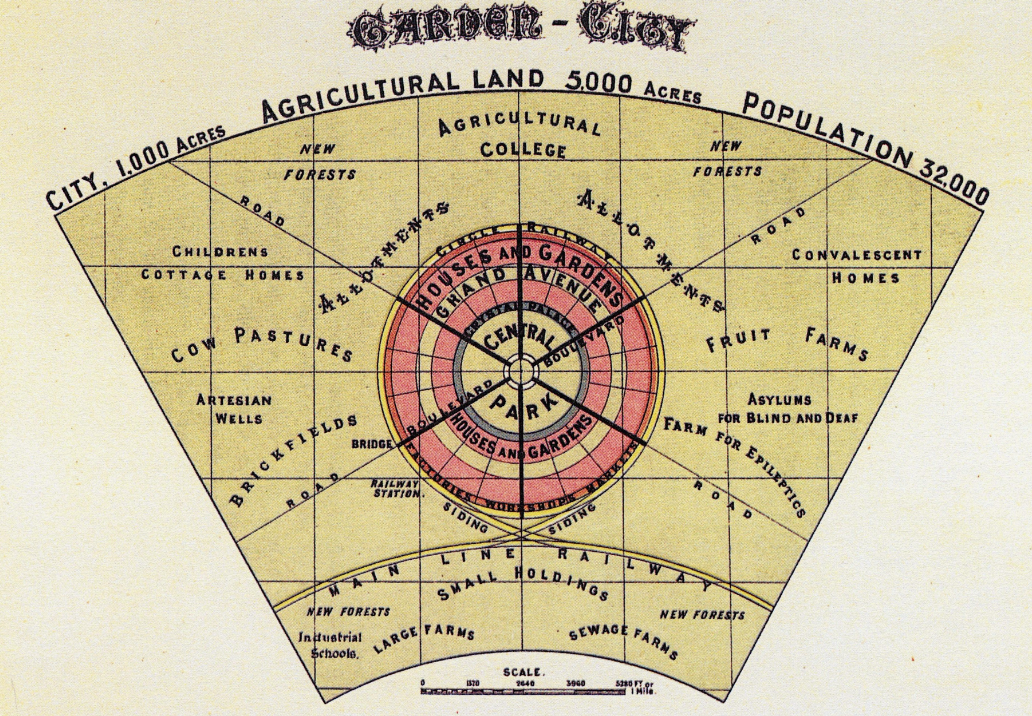
    Planning of Garden City

    The Garden Cities movement emerged in response to urban sprawl and industrialization, advocating for planned communities surrounded by green belts.

    Ebenezer Howard's vision for garden cities like Letchworth and Welwyn Garden City aimed to combine the benefits of rural living with urban amenities, promoting health, social equity, and environmental sustainability.

    Garden Cities: Modernism valued functionality and efficiency but sparked concerns about cultural diversity and community displacement. Planners wrestled with the social impacts of urban renewal, igniting debates on human rights, heritage preservation, and inclusive planning processes.

    Modernist Urbanism: Functionalism and Social Change:-

    Example: Le Corbusier and Radiant Cities

    Le Combusier Architecture

    Le Corbusier's urban planning concepts, such as the Radiant City and Ville Radieuse, aimed to address overcrowding and social inequalities through zoning, high-rise buildings, and green spaces.

    Modernist planners sought to optimize efficiency, rationalize land use, and improve living conditions in rapidly growing cities, reflecting optimism about technology's potential to solve urban challenges.

    Modernist Urbanism: Modernism prioritized functionality and efficiency, yet it sparked concerns about cultural homogenization and the displacement of communities. Planners faced complex challenges regarding the social impacts of urban renewal projects. These issues prompted profound debates on fundamental topics such as human rights, the preservation of heritage, and the implementation of participatory planning processes..

    Contemporary Urban Design: Sustainability and Community Engagement:-

    Example: Sustainable Urbanism and Smart Cities

    Picture background

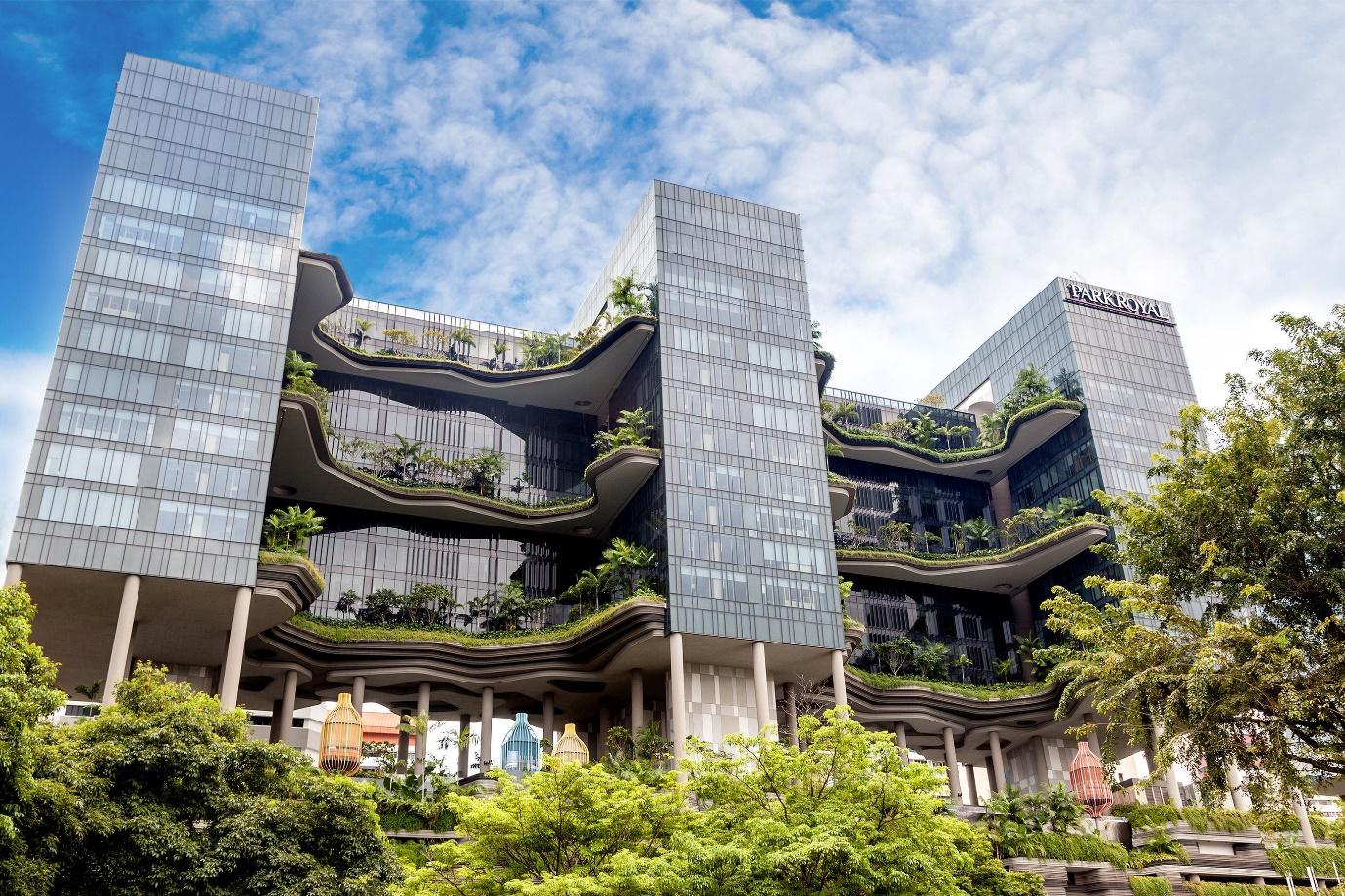
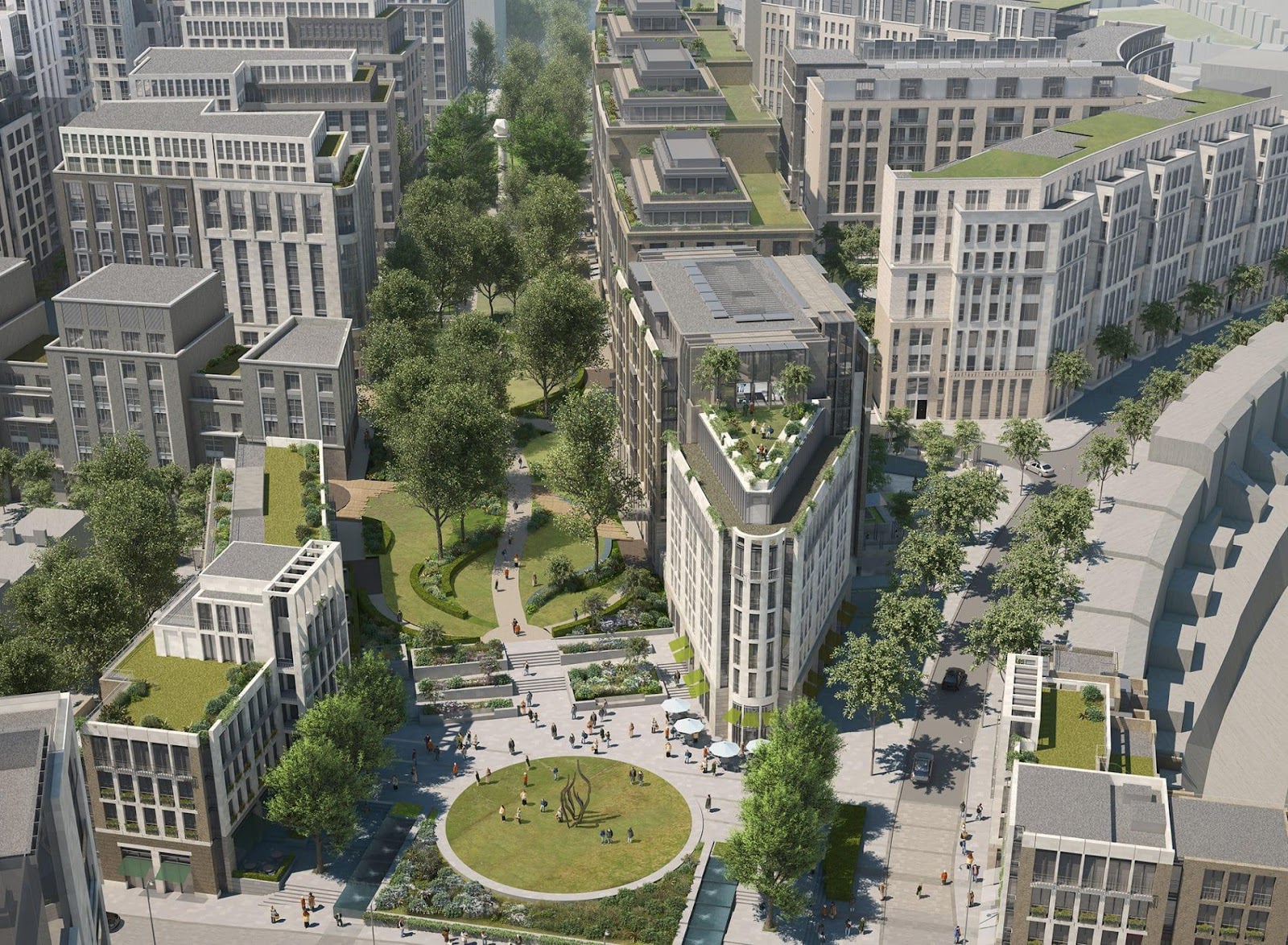
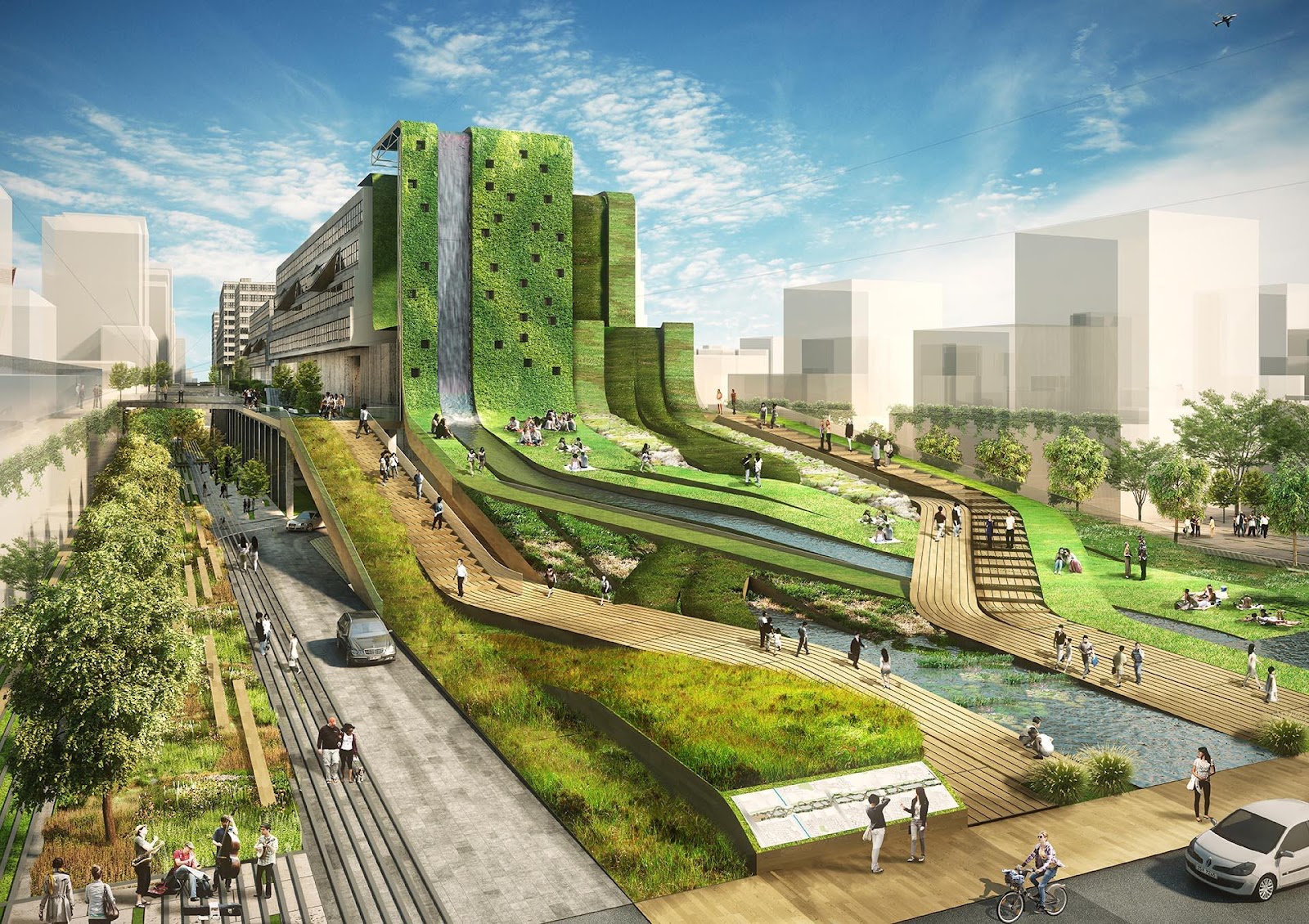
    Contemporary urban design integrates principles of sustainability, resilience, and social equity to address global challenges such as climate change and urbanization.

    Planners and architects collaborate with communities to create walkable neighborhoods, green infrastructure, and mixed-use developments that promote health, well-being, and cultural diversity.

    Contemporary Urban Design: Today's planners focus on community engagement and inclusive decision-making. They recognize the diverse needs and aspirations of urban residents. Sustainable urbanism advocates empathy for future generations. It promotes regenerative practices that respect natural ecosystems and bolster urban resilience.

    Conclusion: Urban Design as a Catalyst for Social Change:-

    Urban design and planning evolve with societal needs, technology, and the environment. By humanizing urban spaces with empathy, creativity, and innovation, planners create functional, efficient, equitable, resilient, and inclusive cities.

    Reflecting on urban design from 1500 to 2000, we celebrate visionary city-shapers who inspire future planners. Their human-centered design, social justice, and environmental stewardship blueprint sustainable communities for living, working, and thriving.

    Embracing empathy and collaboration transforms urban landscapes into creative, diverse hubs. Urban design sparks social change, connecting people to their homes and shaping a sustainable, equitable future.

    Through history's lens and future innovation, let's humanize urban design, honoring the past and envisioning cities that foster diversity, resilience, and inspiration for generations.

    Read more on:-

    For more information about engineering, architecture, and the building & construction sector, go through the posts related to the same topic on the Pinnacle IIT Blogs page.

    Find out more accurately what we are going to take off in the course of applying leading new technologies and urban design at Pinnacle IIT.

    Subscribe to our YouTube channel and blog websites to obtain all the up-to-date information relating to construction matters.
  • Sustainability in Architecture- A Humanized Odyssey over time

    Sustainability in Architecture- A Humanized Odyssey over time

    In an era of climate change and environmental consciousness, architecture plays a pivotal role in shaping a sustainable future. From ancient civilizations to modern innovations, architects have continuously evolved their practices to harmonize with nature, promote resource efficiency, and enhance the well-being of communities. Join us as we explore the evolution of sustainable architecture, highlighting visionary architects and their human-centered approaches to design.

    Introduction: The Imperative of Sustainable Architecture:-

    Sustainable architecture is not merely a trend but a moral and practical necessity in the face of global environmental challenges. It encompasses principles of energy efficiency, conservation of resources, and integration with natural ecosystems. As we delve into historical perspectives and contemporary practices, we uncover how architects have embraced sustainability as a guiding principle to create spaces that nurture both people and the planet.

    Ancient Wisdom: Building in Harmony with Nature:-

    Example: Ancient Rome and Vernacular Architecture

    Ancient Rome

    Ancient civilizations, such as Rome, utilized passive design strategies to optimize natural ventilation, sunlight, and thermal mass in their buildings.

    Vernacular architecture in different regions, like adobe construction in desert climates or stilt houses in flood-prone areas, exemplifies adaptation to local environmental conditions and sustainable use of materials.

    Sustainability: These early architectural practices were born out of necessity and deep ecological understanding. They reflect communities' intimate relationship with their environments and the wisdom passed down through generations to live harmoniously with nature.

    Industrial Revolution: Challenges and Innovations:-

    Example: Victorian Engineering and Challenges

    The Industrial Revolution introduced mass production and urbanization, posing environmental challenges such as pollution and resource depletion.

    Innovations in engineering, such as iron and steel frameworks, enabled the construction of larger buildings but also raised concerns about sustainability and social impacts.

    The Shift: Architects and engineers faced ethical dilemmas as they balanced technological progress with environmental stewardship and societal well-being. Initiatives like urban planning and sanitation systems emerged to address public health and living conditions in rapidly growing cities.

    Modern Movements: Embracing Functionality and Aesthetics:-

    Example: Arts and Crafts Movement and Frank Lloyd Wright

    Frank Lloyd Wright's house

    The Arts and Crafts Movement emphasized craftsmanship, sustainability, and the integration of art into everyday life.

    Frank Lloyd Wright's organic architecture promoted harmony between buildings and their natural surroundings, exemplified by Fallingwater's integration with a waterfall and the landscape.

    Innovation: Architects like Wright championed a holistic approach to design that prioritized human comfort, cultural identity, and environmental responsibility. Their designs celebrated local materials and craftsmanship, fostering a sense of place and community resilience.

    Modernism: Efficiency and Technological Advancements:-

    Example: Bauhaus and Le Corbusier

    The Bauhaus school embraced functionalism, simplicity, and mass production, influencing modern architecture's shift towards efficiency and standardized design.

    Le Corbusier's International Style promoted open floor plans, modular construction, and reinforced concrete, reflecting industrial progress and urbanization trends.

    Progress: While modernist architecture prioritized functionality and efficiency, it also raised questions about cultural homogenization and environmental impact. Architects grappled with balancing technological advancements with ethical considerations, inspiring debates on urban planning, social equality, and environmental sustainability.

    Contemporary Approaches: Innovation and Sustainability:-

    Example: Renzo Piano and Green Building Practices

    Renzo Piano integrates sustainable design principles, such as passive heating and cooling, renewable energy systems, and green roofs, into his projects like the California Academy of Sciences.

    Green building certifications, such as LEED (Leadership in Energy and Environmental Design), promote sustainable practices in architecture, emphasizing energy efficiency, water conservation, and indoor environmental quality.

    Innovation: Today's architects are at the forefront of sustainable innovation, collaborating with engineers, scientists, and communities to create resilient and regenerative spaces. Their designs prioritize human well-being, ecological health, and social equity, reflecting a holistic approach to architecture that considers the interconnectedness of global challenges and local contexts.

    Conclusion: The Future of Sustainable Architecture:-

    Sustainable architecture is not a destination but a continuous journey of innovation, collaboration, and adaptation. As we look to the future, architects play a pivotal role in mitigating climate change, promoting biodiversity, and enhancing the quality of life for all. By humanizing sustainability through thoughtful design, empathy for communities, and respect for ecosystems, architects can inspire a global movement towards a more harmonious and resilient built environment.

    Through historical insights and contemporary examples, we celebrate the architects who have paved the way for sustainable practices and envision a future where architecture serves as a catalyst for positive change. Let us continue to embrace sustainability as a guiding principle, honoring our responsibility to future generations and the planet we call home.

    In exploring sustainable architecture, we recognize its transformative potential to create spaces that not only endure but also enrich the human experience, fostering connections between people, nature, and the built environment. Together, we can build a future where architecture serves as a beacon of hope, innovation, and sustainability for generations to come.

    Read more on:-

    For more information about engineering, architecture, and the building & construction sector, go through the posts related to the same topic on the Pinnacle IIT Blogs page.

    Find out more accurately what we are going to take off in the course of applying leading new technologies and urban design at Pinnacle IIT.

    Subscribe to our YouTube channel and blog websites to obtain all the up-to-date information relating to construction matters.
  • Visions becoming Reality: Famous Architects and Their Popular Works

    Visions becoming Reality: Famous Architects and Their Popular Works

    Architecture is a testament to human creativity, innovation, and vision. Behind every iconic structure lies the genius of architects who dared to challenge conventions, blend art with engineering, and shape the skylines of cities worldwide. Join us on a journey through the lives and masterpieces of some of history's most celebrated architects, as we explore their contributions and the lasting impact of their work.

    Picture background

    Introduction: The Architects' Legacy:-

    Architects are more than designers; they are storytellers who shape our environments and define our cultural landscapes. From the Renaissance to the modern era, these visionaries have left an indelible mark on history through their groundbreaking designs and enduring masterpieces.

    Andrea Palladio (1508-1580): Reviving Classical Harmony:-

    Masterpiece– Villa Rotonda

    Andrea Palladio, an Italian architect, revitalized classical architecture during the Renaissance. His designs emphasized symmetry, proportion, and harmony with nature, inspired by ancient Roman villas. The Villa Rotonda near Vicenza epitomizes Palladio's principles, with its central dome and four identical facades, creating a sense of timeless elegance and balance.

    Palladio: Palladio's designs not only reflected his architectural prowess but also his deep appreciation for Venetian landscapes and culture. His villas were not just residences but expressions of harmony with nature, inviting inhabitants to live in communion with their surroundings.

    Christopher Wren (1632-1723): Rebuilding London's Skyline:-

    Masterpieces: St. Paul's Cathedral

    Sir Christopher Wren, an English architect, is renowned for his role in rebuilding London after the Great Fire of 1666. St. Paul's Cathedral stands as his magnum opus, blending Baroque grandeur with English Gothic influences. Wren's innovative use of structural design and the iconic dome symbolize resilience and renewal in the face of adversity.

    Wren: Beyond his architectural brilliance, Wren was a polymath with interests in astronomy, mathematics, and philosophy. His designs for scientific instruments and his contributions to academia underscored his belief in the interconnectedness of art, science, and society.

    Masterpiece– Fallingwater house

    Frank Lloyd Wright (1867-1959): Organic Architecture and the Prairie Style:-

    Frank Lloyd Wright, an American architect, pioneered organic architecture, integrating buildings harmoniously into their natural surroundings. The Fallingwater house in Pennsylvania exemplifies his philosophy, with cantilevered terraces over a waterfall, blurring the boundaries between indoor and outdoor spaces. Wright's designs celebrated craftsmanship and the interconnectedness of humanity with nature.

    Wright: Wright's tumultuous personal life and philosophical musings influenced his architectural vision. His belief in democratic architecture, accessible to all, resonated in his designs that sought to enhance the quality of life through harmonious living environments.

    Le Corbusier (1887-1965): Pioneer of Modernism and Urban Planning:-

    Masterpiece– Unité d'Habitation

    Masterpieces: Villa Savoye, Unité d'Habitation, Chandigarh Capitol Complex

    Le Corbusier, a Swiss-French architect, revolutionized architecture with his principles of functionalism and the International Style. The Villa Savoye near Paris embodies his vision, with its clean lines, open floor plan, and emphasis on efficiency and hygiene. Le Corbusier's urban planning concepts, such as the Radiant City, aimed to enhance living conditions in rapidly urbanizing societies.

    Le Corbusier: Despite his avant-garde designs, Le Corbusier was deeply concerned with social issues and human welfare. His commitment to improving living conditions through architecture extended to his advocacy for standardization and mass production of housing, reflecting his utopian ideals.

    Masterpiece– Centre Georges Pompidou

    Renzo Piano (1937-present): Sustainable Design and Technological Innovation:-

    Renzo Piano, an Italian architect, is renowned for his sustainable design principles and innovative use of technology. The Centre Georges Pompidou in Paris, co-designed with Richard Rogers, is a cultural landmark with its exposed structural elements and vibrant public spaces. Piano's commitment to environmental sustainability and community engagement defines his contemporary approach to architecture.

    Piano: Piano's collaborative spirit and dedication to craftsmanship are evident in his studio's hands-on approach to design. His deep respect for cultural contexts and local materials informs his projects, fostering a sense of place and connectivity within urban environments.

    Conclusion: Architectural Legacies and Inspiration:-

    Their masterpieces not only endure as symbols of human achievement but also serve as catalysts for innovation and cultural dialogue. From Renaissance villas to modern skyscrapers, each structure tells a story of vision, craftsmanship, and the enduring quest for beauty and functionality.

    As we reflect on their lives and works, we recognize that architecture is a collaborative endeavor that bridges past, present, and future. These visionaries have not only left their mark on the built environment but also enriched our lives with spaces that inspire, provoke thought, and celebrate the human spirit.

    In celebrating these architects and their masterpieces, we honor their contributions to our cultural heritage and the ongoing evolution of architectural practice. Their legacies remind us of the transformative power of design to shape societies, foster creativity, and create environments that resonate with the human experience.

    Through their stories, we humanize architecture, appreciating the ingenuity, passion, and dedication that continue to define our architectural landscape today and inspire future generations of architects to push boundaries and redefine what is possible.

    Read more on:-

    For more information about engineering, architecture, and the building & construction sector, go through the posts related to the same topic on the Pinnacle IIT Blogs page.

    Find out more accurately what we are going to take off in the course of applying leading new technologies and urban design at Pinnacle IIT.

    Subscribe to our YouTube channel and blog websites to obtain all the up-to-date information relating to construction matters.
  • How Architectural Ways Evolved: Making The World Better

    How Architectural Ways Evolved: Making The World Better

    Architecture is more than just structures; it embodies the aspirations, beliefs, and ingenuity of societies across history. From the towering temples of ancient civilizations to the sleek skyscrapers of modern cities, architectural styles reflect cultural identities and technological advancements. Let's embark on a journey through some of the most captivating architectural styles around the world, exploring how they have shaped human experience and continue to inspire awe today.

    Picture background

    Introduction: The Essence of Architectural Diversity:-

    Architecture serves as a window into the soul of civilizations, offering glimpses into their values, craftsmanship and creativity. As we delve into the architectural styles spanning five centuries, we will uncover the stories behind iconic structures and their enduring legacy.

    Picture background

    Renaissance Revival: Reviving Classical Grandeur:-

    The Renaissance marked a rebirth of classical ideals in Europe, blending symmetry, proportion, and humanism. Italian architects like Andrea Palladio crafted villas that celebrated harmony with nature and mathematical precision. The elegance of the Palladian style spread across Europe, influencing landmarks such as the Château de Chambord in France and St. Paul's Cathedral in London, embodying the era's quest for cultural renewal.

    Baroque Extravaganza: Drama and Grandeur:-


    In contrast, the Baroque period embraced theatricality and exuberance. Originating in Italy and spreading across Catholic Europe, Baroque architecture aimed to awe and inspire. The façade of St. Peter's Basilica in Vatican City, designed by Gian Lorenzo Bernini, exemplifies this style with its dynamic forms and intricate details, creating a sense of movement and spiritual fervor.

    Colonial Marvels: Fusion of Cultures:-

    Colonial expansion brought European architectural styles to distant shores, blending with indigenous traditions. In Latin America, Spanish Colonial architecture fused Moorish influences with local materials, creating vibrant courtyards and intricate stucco facades seen in the Cathedral of Mexico City. Meanwhile, in India, British architects adapted Neoclassical elements for landmarks like the Victoria Memorial in Kolkata, symbolizing imperial power and cultural exchange.

    Picture background


    Industrial Revolution: Engineering Marvels:-

    The 19th century witnessed unprecedented technological advancements that reshaped skylines worldwide. The rise of industrialization led to the birth of structural engineering, allowing for towering feats of steel and glass. Gustave Eiffel's eponymous tower in Paris became an iconic symbol of modernity and engineering prowess, showcasing the possibilities of iron in architecture and inspiring future generations of innovators.

    Picture background

    Art Nouveau: Nature and Curves:-

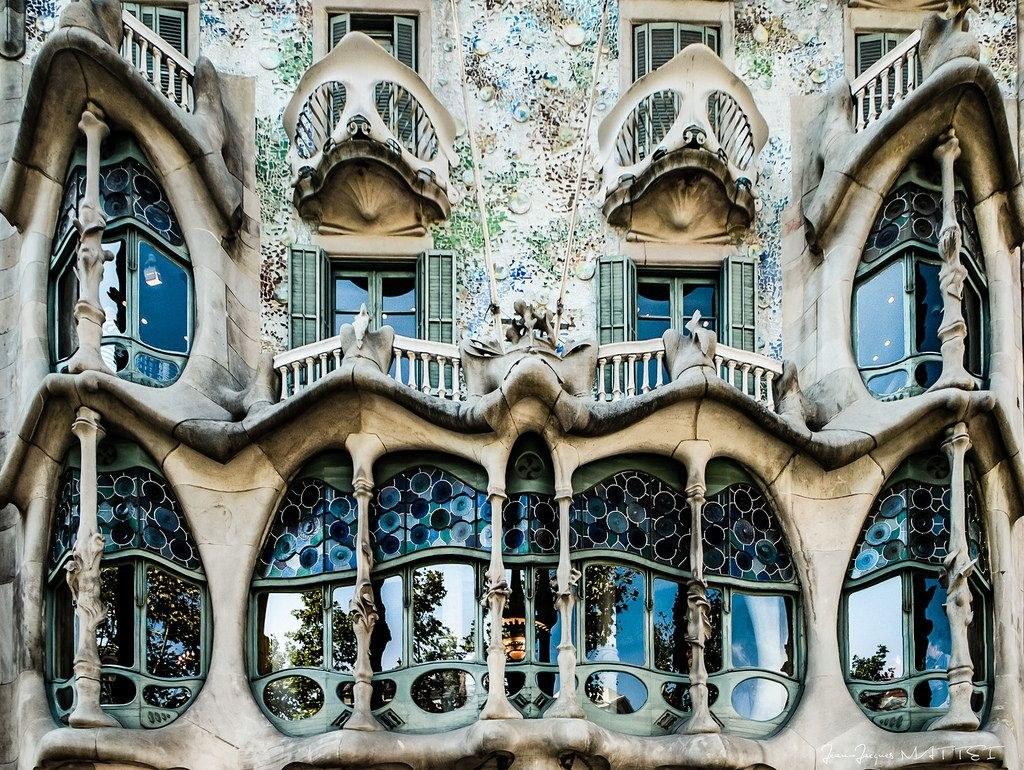
    As the 20th century dawned, Art Nouveau swept across Europe with its organic forms and decorative motifs inspired by nature. Architects like Antoni Gaudí in Spain crafted whimsical structures such as the Sagrada Família in Barcelona, blending Catalan Gothic traditions with avant-garde techniques. Art Nouveau celebrated individuality and craftsmanship, leaving a legacy of ornate beauty and innovation.

    Picture background

    Modernism: Form Follows Function:-

    The early 20th century brought forth Modernism, advocating simplicity, functionality, and the use of new materials like concrete and glass. Architects such as Le Corbusier pioneered the International Style, emphasizing geometric forms and open spaces. The Villa Savoye near Paris exemplifies these principles, with its sleek lines and emphasis on spatial efficiency, influencing urban planning and architectural education worldwide.

    Postmodern Playfulness: Context and Critique:-

    By the late 20th century, Postmodernism emerged as a reaction against the perceived coldness of Modernism. Architects like Robert Venturi embraced historical references, eclectic forms, and whimsical details. The Piazza d'Italia in New Orleans, designed by Charles Moore, exemplifies Postmodernist principles with its colorful facades and playful references to classical architecture, challenging conventions and celebrating cultural diversity.

    Global Fusion: Contemporary Directions:-

    Today's architectural landscape is characterized by a fusion of styles and a focus on sustainability and cultural sensitivity. From the eco-friendly designs of Scandinavian architects to the futuristic skyscrapers of East Asia, contemporary architecture embraces innovation while honoring local traditions. The Burj Khalifa in Dubai, designed by Adrian Smith, stands as a testament to both engineering marvels and cultural identity, symbolizing global aspirations and architectural ambition.

    Conclusion: Architecture as Living History:-


    Architecture is more than static structures; it is a living testament to human creativity, aspirations, and resilience. As we reflect on the diverse architectural styles , we witness the evolution of civilizations and the enduring quest for beauty, functionality, and cultural expression. Each style tells a story of its time, echoing the hopes and dreams of societies past and present. As we continue to build our future, let us cherish and learn from the architectural marvels that define our world.

    In exploring these architectural styles, we humanize the built environment, appreciating the craftsmanship and vision that have shaped our cities and landscapes. From the serene temples of Kyoto to the skyscrapers of Manhattan, architecture connects us to our history and inspires us to imagine what lies beyond.

    Read more on:-

    For more information about engineering, architecture, and the building & construction sector, go through the posts related to the same topic on the Pinnacle IIT Blogs page.

    Find out more accurately what we are going to take off in the course of applying leading new technologies and urban design at Pinnacle IIT.

    Subscribe to our YouTube channel and blog websites to obtain all the up-to-date information relating to construction matters.