Author: Harsheel Purohit

  • Innovative BIM Methods Is Making Plumbing Systems Better For Water Conservation In [year]

    Innovative BIM Methods Is Making Plumbing Systems Better For Water Conservation In [year]

    Join us on a transformative journey to explore the critical intersection of plumbing and water conservation through the powerful lens of Building Information Modeling. Together, let's delve into plumbing's pivotal role, delve into how BIM enhances efficiency, and unravel how these elements collectively shape a future that is not only greener, but also more resilient and compassionate.
    Picture background

    Understanding Plumbing Systems: Essential Infrastructure for Modern Living:-

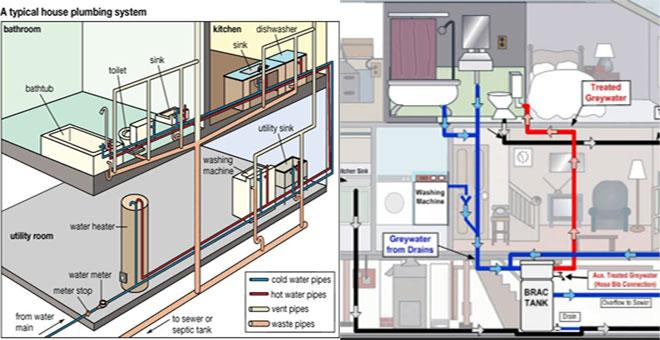
    Plumbing systems are vital to delivering safe drinking water and managing wastewater within buildings. Additionally, these systems encompass water supply networks, drainage systems, and fixtures that ensure reliable water distribution and disposal. Great plumbing not only saves water, but also cuts costs and helps the environment by meeting our basic needs effectively. Consequently, as global water scarcity concerns grow, the role of plumbing engineers in designing water-efficient systems has become increasingly critical.

    The Role of BIM in Transforming Plumbing Systems:-

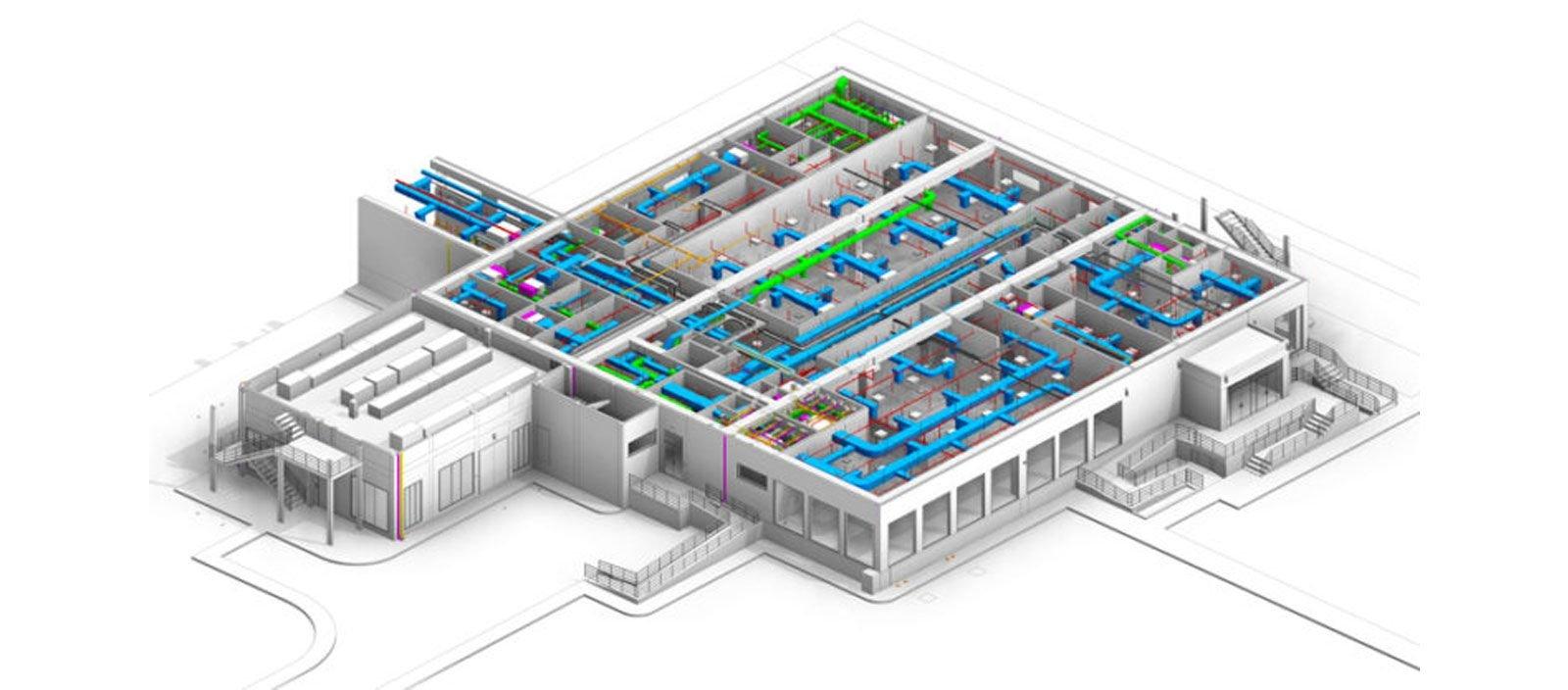
    IT revolutionizes plumbing design with digital tools for visualization, simulation, coordination, and lifecycle analysis, benefiting everyone involved. Consequently, It allows engineers, architects, and contractors to work together virtually, making systems better and operations smoother. Furthermore, with It, we can design plumbing systems that save water, protect the environment, and follow regulations.

    BIM's Approach: Excellence in Education and Technological Integration:-

    At BIM, plumbing system design is central to our curriculum in environmental engineering and sustainable design. Additionally, we emphasize a comprehensive approach that combines theoretical knowledge with practical experience using BIM tools. Furthermore, BIM helps students use technology and partnerships to lead eco-friendly changes in plumbing engineering.

    The Journey of Plumbing System Design: Innovations and Applications:-

    Advancements in plumbing system design encompass a spectrum of innovations that promote water conservation, efficiency, and sustainability. Consequently, here are key areas where BIM plays a pivotal role in advancing plumbing systems:

    1. Water-Efficient Fixture Design:-

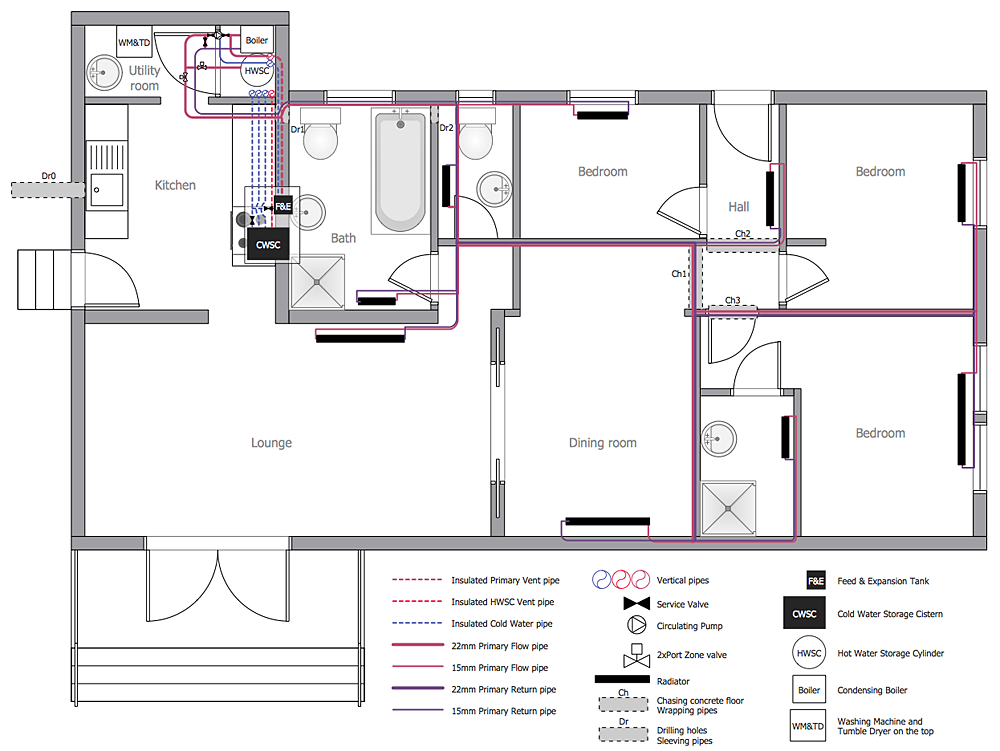
    Fixture Selection: Using BIM to evaluate and select water-efficient fixtures, such as low-flow toilets, faucets, and showerheads, to minimize water consumption without compromising performance.

    Flow Simulation: When modeling water flow within plumbing networks, BIM's hydraulic analysis tools are utilized to optimize pipe sizing, layout, and pressure requirements, thereby facilitating efficient water distribution.
    Picture background

    2. Greywater and Rainwater Harvesting Systems:-

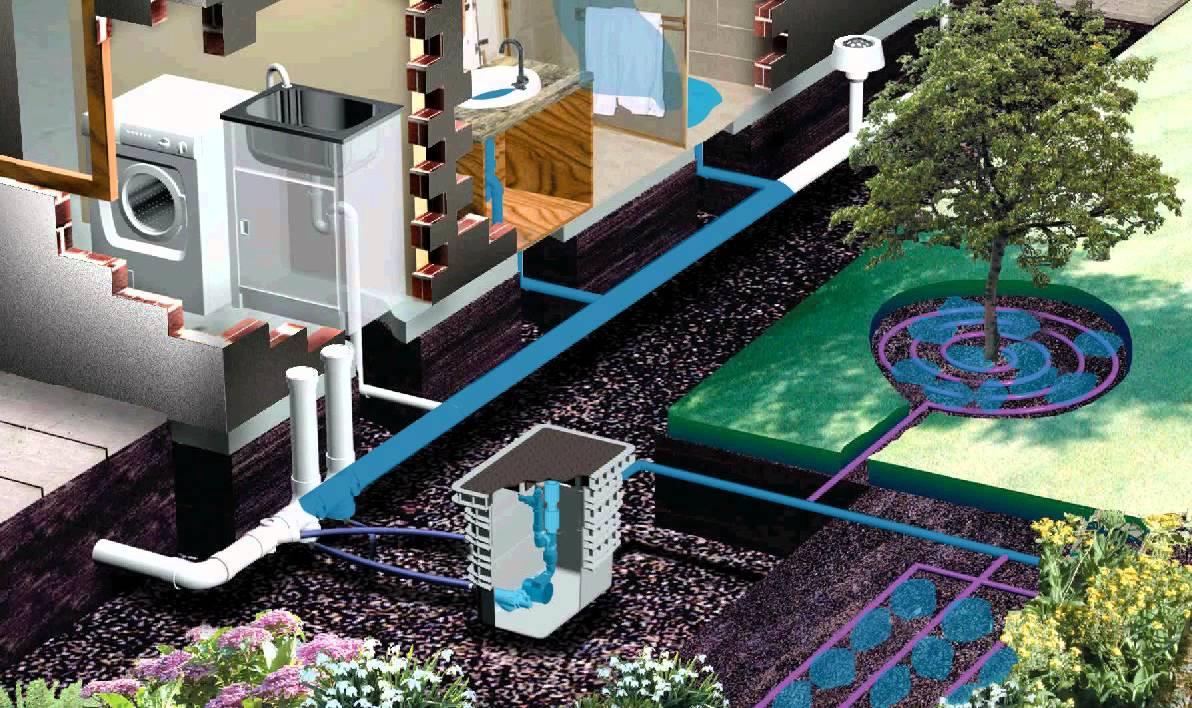
    Greywater Recycling: When designing greywater systems using BIM, engineers can efficiently capture and treat wastewater from sinks, showers, and laundry. This treated water can then be reused in irrigation, toilet flushing, and other non-potable applications.

    Rainwater Harvesting: By integrating rainwater harvesting systems with BIM, we can effectively capture and store rainwater for landscape irrigation, cooling tower makeup water, and other onsite uses. Additionally, this sustainable approach not only conserves water resources but also reduces reliance on external water sources. This not only reduces demand on municipal water supplies but also promotes sustainable water management practices.
    Picture background

    3. Water Leak Detection and Monitoring:-

    Sensor Integration: Implementing IoT sensors and BIM-enabled monitoring systems to detect leaks, monitor water usage patterns in real-time, and alert building operators to potential issues for prompt resolution. Additionally, these sensors can provide valuable data for optimizing water conservation strategies and preventing damage.

    Data Analytics: When analyzing water consumption data using BIM's analytical capabilities, we can identify inefficiencies, optimize system performance, and inform water conservation strategies over time.

    Picture background

    Plumbing System Design: Impact on Conservation and Community Well-being:-

    Behind every plumbing system design lies a profound human impact. By integrating BIM with plumbing engineering practices, BIM ensures:

    Water Conservation: Designing systems that minimize water waste, reduce utility costs, and support sustainable water management practices through efficient design and operation.

    Community Health: Ensuring access to safe drinking water and effective sanitation systems that promote public health, hygiene, and well-being within buildings and communities.

    Innovating for a Sustainable Future: Collaboration and Adaptation:-

    As buildings strive to achieve greater water efficiency and sustainability, Building Information Modeling facilitates collaboration and adaptation within plumbing engineering:

    Lifecycle Management: Using BIM's capabilities for asset management and maintenance scheduling to optimize plumbing system performance, extend equipment lifespan, and minimize downtime.

    Regulatory Compliance: Ensuring plumbing designs meet local building codes, water efficiency standards, and environmental regulations through BIM-enabled documentation and compliance tracking.

    Your Role in Promoting Water Conservation: Empowering Change:-

    Studying plumbing system design through BIM at BIM is more than acquiring technical skills; it's embracing a commitment to sustainability, innovation, and improving quality of life. Whether you aspire to design water-efficient systems, advocate for water conservation policies, or educate communities about sustainable water practices.

    Conclusion: Building a Water-Resilient Future Together:-

    In conclusion, plumbing system design through BIM exemplifies the convergence of technology, expertise, and human-centered design. By humanizing the science and understanding its profound impact on buildings and communities, we empower ourselves to create environments that are water-efficient, sustainable, and resilient.

    Read more on:-

    For more information about engineering, architecture, and the building & construction sector, go through the posts related to the same topic on the Pinnacle IIT Blogs page.

    Find out more accurately what we are going to take off in the course of applying leading new technologies and urban design at Pinnacle IIT.

    Subscribe to our YouTube channel and blog websites to obtain all the up-to-date information relating to construction matters.

  • Innovative Ways BIM Is Revolutionizing Electrical System Design In Buildings

    Innovative Ways BIM Is Revolutionizing Electrical System Design In Buildings

    Explore innovative HVAC advancements, guided by BIM's transformative capabilities. Welcome to a journey into the future of heating, ventilation, and air conditioning. In this blog, we'll explore how BIM improves electrical systems in buildings, boosting safety, efficiency, and sustainability for occupants. Join us to humanize electrical engineering and explore how BIM fosters a connected, energy-efficient, and sustainable built environment for everyone.

    Picture background

    Understanding Electrical System Design: Powering the Modern World:-

    Electrical systems are the lifeline of modern buildings, providing essential power distribution, lighting, communications, and security systems. Effective electrical system design ensures safe, reliable, and efficient energy delivery for homes and industrial facilities, meeting safety and regulatory standards. Electrical engineers play a vital role in designing resilient, sustainable systems as buildings become more interconnected and energy demands grow.

    The Role of BIM in Revolutionizing Electrical System Design:-

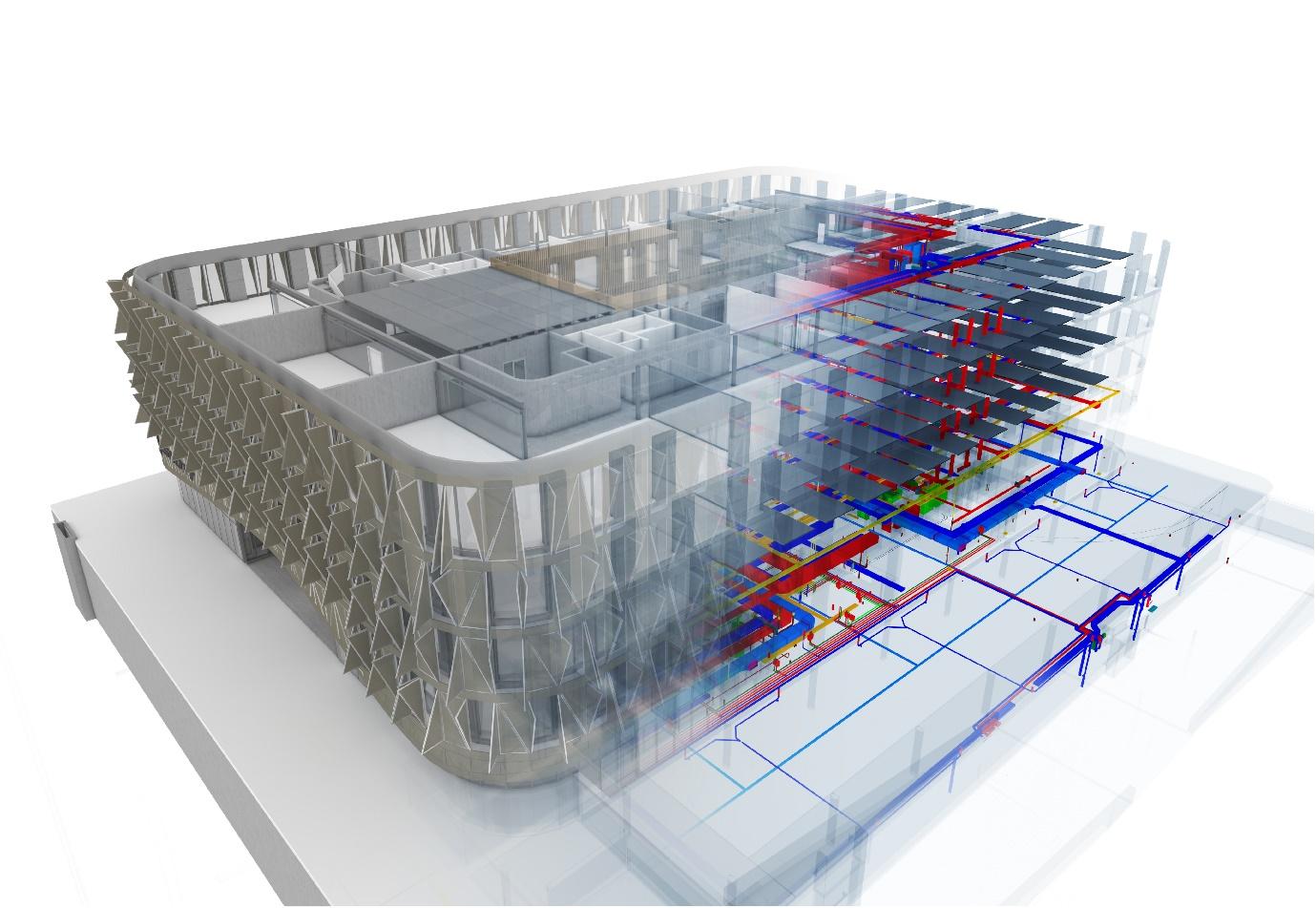
    Building Information Modeling revolutionizes electrical system design by offering advanced digital tools for planning, visualizing, simulating, and managing electrical infrastructure. BIM helps engineers, architects, and contractors work together smoothly, improving system performance, reducing design mistakes, and boosting project efficiency. Integrating BIM with electrical design helps streamline processes, reduce risks, and deliver high-quality, cost-effective solutions for modern buildings and communities.

    BIM's Approach: Excellence in Education and Technological Integration:-

    At BIM, electrical system design is a cornerstone of our curriculum in building engineering and sustainable design. We emphasize a comprehensive approach that combines theoretical knowledge with hands-on experience using it's tools. It equips future engineers to use technology and lead change in electrical engineering for sustainable solutions through projects and partnerships.

    The Journey of Electrical System Design: Innovations and Applications:-

    Advancements in electrical system design encompass a spectrum of innovations that enhance efficiency, reliability, and safety. Here are key areas where BIM plays a pivotal role in advancing electrical systems:

    1. Integrated Power Distribution:-

    Picture background

    Load Analysis: Using BIM, we analyze power needs and design layouts for balanced, efficient power delivery throughout the building.

    Circuit Design: Modeling electrical circuits, panels, and distribution boards using BIM's parametric tools to optimize layout, sizing, and routing for minimal energy losses and ease of maintenance.

    2. Lighting Design and Control Systems:-

    Picture background

    Lighting Layout: Designing and simulating lighting layouts using BIM to optimize fixture placement, light levels, and energy efficiency while enhancing visual comfort and productivity.

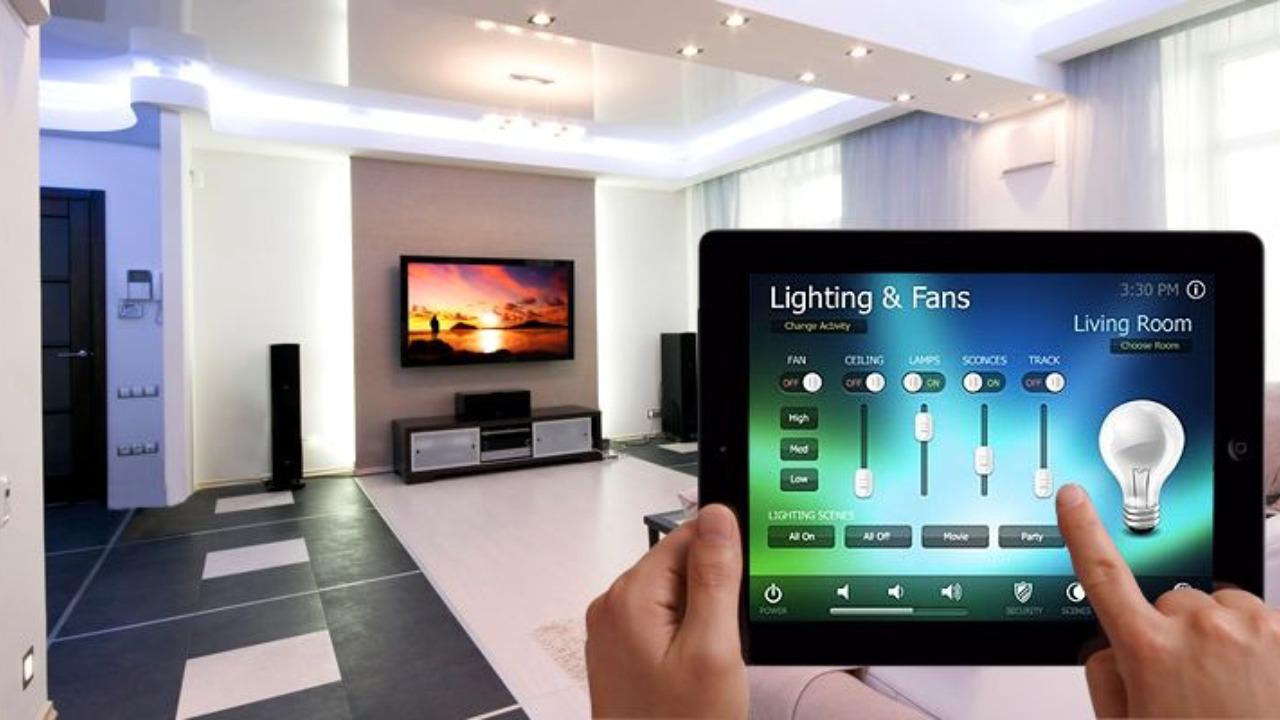
    Smart Lighting Controls: Integrating BIM with smart lighting systems to automate controls, adjust lighting settings based on occupancy and daylight levels, and monitor energy consumption in real-time.

    3. Renewable Energy Integration:-

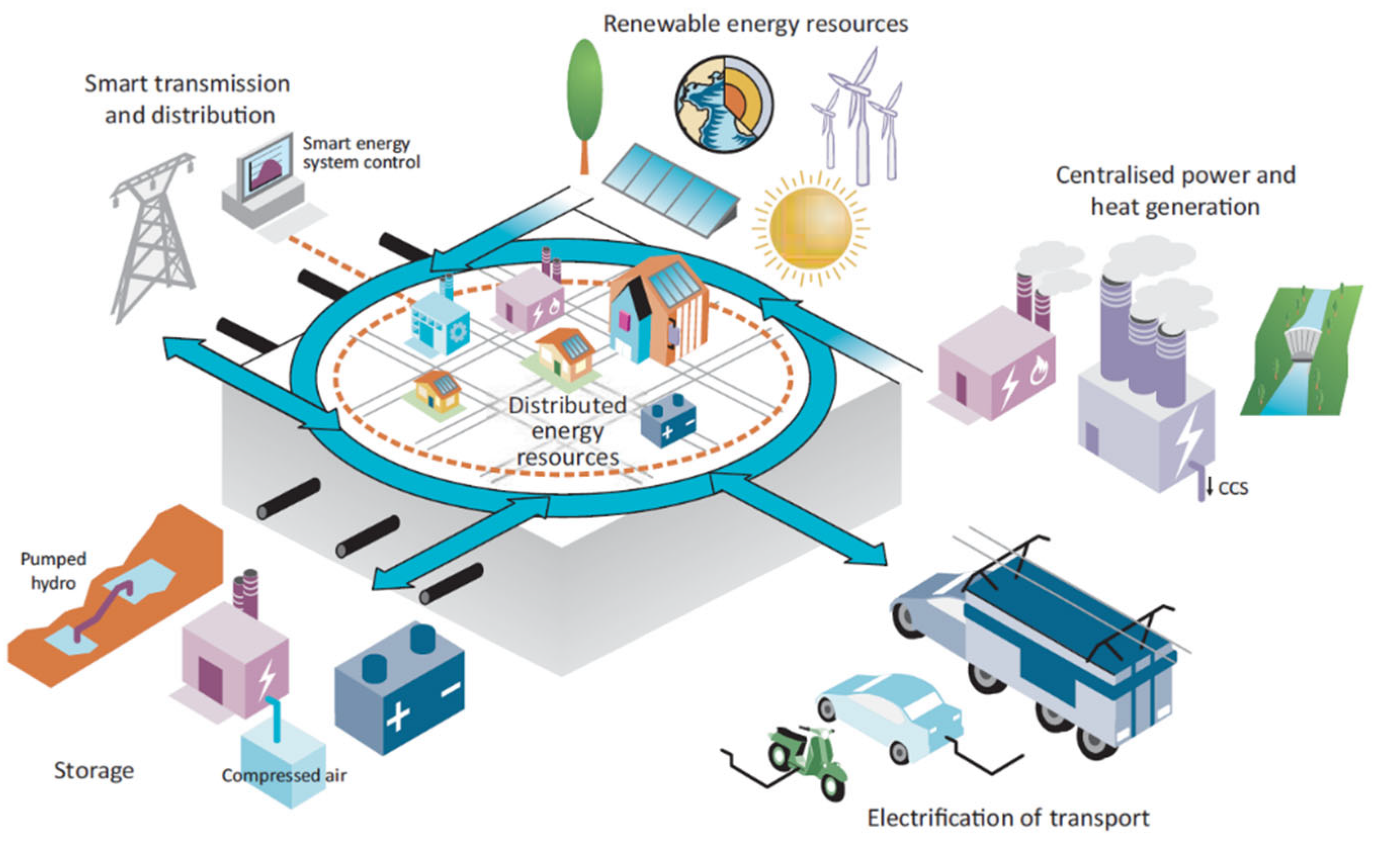
    Solar PV Systems: Designing rooftop solar photovoltaic (PV) systems using BIM to analyze solar potential, optimize panel placement, and calculate energy production for renewable energy integration.

    Energy Storage Solutions: Modeling battery storage systems and integrating them with electrical designs to store surplus energy, enhance grid stability, and support sustainability goals.

    Electrical System Design: Impact on Safety and Sustainability:-

    Picture background

    Behind every electrical system design lies a profound human impact. By integrating BIM with electrical engineering practices, It ensures:

    Occupant Safety: Designing electrical systems that prioritize safety through proper grounding, surge protection, and fire detection measures, ensuring reliable operation and compliance with building codes.

    Energy Efficiency: Implementing energy-efficient technologies and strategies to reduce electricity consumption, lower operating costs, and minimize environmental impact through reduced carbon emissions.

    Innovating for a Sustainable Future: Collaboration and Adaptation:-

    As buildings strive to meet increasingly stringent sustainability goals, BIM facilitates collaboration and adaptation within electrical engineering:

    Lifecycle Management: Using BIM's capabilities for asset management, monitoring system performance, and planning maintenance schedules to optimize electrical system lifespan and efficiency.

    Interdisciplinary Collaboration: Collaborating with architects, mechanical engineers, and contractors to integrate electrical solutions that align with overall building design goals, enhance occupant comfort, and achieve sustainability objectives.

    Your Role in Electrical System Design: Empowering Change:-

    Studying electrical system design through BIM which is more than acquiring technical skills; it's embracing a commitment to innovation, sustainability, and improving quality of life. Whether you aspire to design resilient power systems, optimize energy performance, or advocate for renewable energy adoption, your journey begins here.

    Conclusion: Building a Connected and Sustainable Future Together:-

    In conclusion, electrical system design through BIM exemplifies the convergence of technology, expertise, and human-centered design. By humanizing the science and understanding its profound impact on buildings and communities, we empower ourselves to create environments that are efficient, safe, and sustainable.

    Read more on:-

    For more information about engineering, architecture, and the building & construction sector, go through the posts related to the same topic on the Pinnacle IIT Blogs page.

    Find out more accurately what we are going to take off in the course of applying leading new technologies and urban design at Pinnacle IIT.

    Subscribe to our YouTube channel and blog websites to obtain all the up-to-date information relating to construction matters.
  • Innovative HVAC Systems with BIM

    Innovative HVAC Systems with BIM

    Explore how BIM technology is revolutionizing HVAC systems, thereby making your indoor environment not just comfortable but also efficient. In this blog, we will delve into how HVAC systems impact buildings. Additionally, we will discuss BIM's crucial role in HVAC design, emphasizing occupant comfort and sustainability. Ultimately, let's explore HVAC science and BIM benefits for creating better buildings that are comfy, healthy, and eco-friendly.

    Picture background

    To know more about HVAC System:-https://test3.pinnacleiit.com/blogs/bim/what-is-hvac-design-means-full-form-details-explanation/

    Understanding HVAC Systems: The Backbone of Indoor Comfort:-

    HVAC systems are integral to maintaining thermal comfort, indoor air quality (IAQ), and humidity control within buildings. These systems regulate temperature, humidity levels, and airflow to create optimal conditions for occupants, enhancing productivity, health, and overall well-being. Buildings go green with advanced HVAC tech to save energy and maintain reliability while minimizing environmental impact.

    The Role of BIM in Transforming HVAC Systems:-

    BIM revolutionizes the design and management of HVAC systems by employing digital tools for simulation, coordination, and lifecycle management. Consequently, it enhances efficiency significantly.BIM brings together engineers, architects, and contractors to collaborate as a team, thereby creating efficient HVAC designs in a virtual space. Consequently, this helps improve system performance, save energy, and reduce operating expenses. By integrating BIM with HVAC workflows, stakeholders can visualize, analyze, and refine designs to meet functional requirements while adhering to sustainability goals and regulatory requirements.

    BIM's Approach: Excellence in Education and Technological Integration:-

    Central to our curriculum in environmental engineering and building design at BIM is HVAC innovation. Specifically, we emphasize a comprehensive approach that combines theoretical knowledge with hands-on experience using BIM tools. By engaging in practical projects, research initiatives, and industry partnerships, BIM effectively prepares future professionals to harness technological innovations. Additionally, they are empowered to lead transformative change in HVAC engineering, guiding the industry towards sustainable and energy-efficient solutions.

    The Journey of HVAC Innovation: Advances and Applications:-

    Advancements in HVAC technology, therefore, encompass a wide range of innovations. These innovations serve to enhance system efficiency, reliability, and sustainability. Here are key areas where BIM plays a pivotal role in advancing HVAC systems:

    1. Energy-Efficient HVAC Design:-

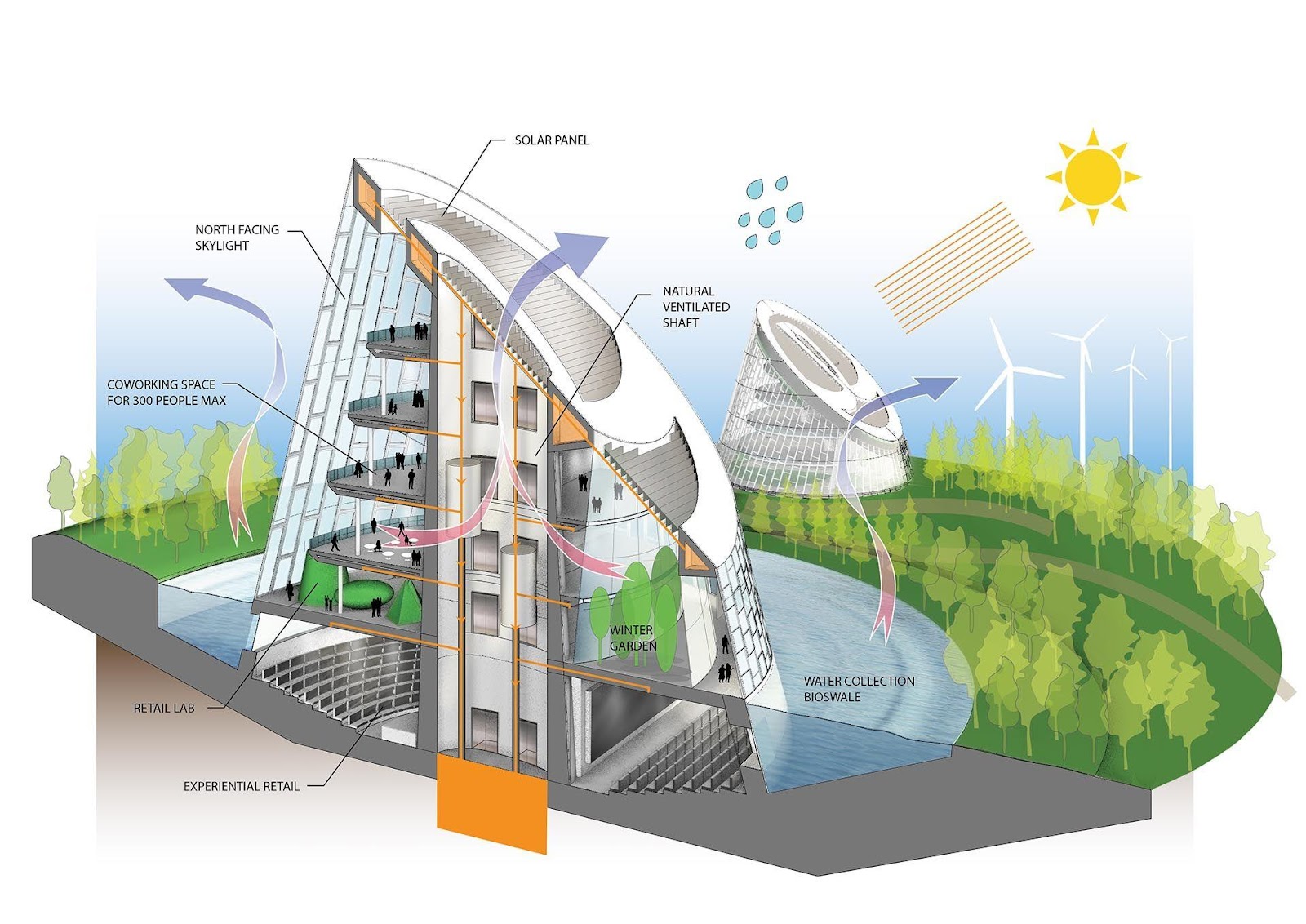
    Integrated Design: Collaborating across disciplines to integrate passive design strategies, such as building orientation, shading, and natural ventilation, into HVAC systems using BIM's modeling and simulation capabilities.

    Energy Modeling: By leveraging BIM technology to simulate HVAC system performance, engineers can thoroughly analyze energy consumption. Consequently, they can optimize equipment selection, layout, and controls, leading to maximum efficiency and operational savings.

    Picture background

    2. Advanced Controls and Automation:-

    Building Automation Systems (BAS): By integrating BAS with BIM, we can monitor and control HVAC equipment. Consequently, we optimize energy use in real-time. Additionally, we adjust settings based on occupancy patterns, weather conditions, and indoor environmental quality metrics..

    Predictive Maintenance: By implementing IoT sensors and data analytics, we can not only predict equipment failures but also schedule proactive maintenance. Consequently, this helps optimize system performance and longevity.

    Picture background

    3. Sustainable Refrigerants and Heat Recovery:-

    Low-GWP Refrigerants: By transitioning to environmentally friendly refrigerants with lower Global Warming Potential (GWP), we can reduce greenhouse gas emissions and, consequently, comply with regulatory standards. Furthermore, this shift supports global efforts to combat climate change.

    Heat Recovery Systems: Designing and implementing heat recovery systems using BIM to capture waste heat from HVAC operations for space heating, water heating, or preheating ventilation air, improving overall energy efficiency.

    Picture background

    HVAC Innovation: Impact on Comfort and Sustainability:-

    Behind every HVAC innovation lies a profound human impact. By integrating BIM with HVAC engineering practices, BIM ensures:

    Occupant Comfort: Creating indoor environments that optimize thermal comfort, air quality, and acoustic performance, enhancing productivity, health, and well-being.

    Energy Savings: Lowering energy consumption and operational costs for building owners and tenants through efficient HVAC design and management strategies.

    Environmental Stewardship: Reducing carbon footprint and promoting sustainable building practices by minimizing energy use and greenhouse gas emissions associated with HVAC operations.

    Picture background

    Innovating for a Sustainable Future: Collaboration and Adaptation:-

    As buildings strive to meet increasingly stringent energy efficiency and sustainability goals, BIM facilitates collaboration and adaptation within HVAC engineering:

    Lifecycle Management: Using BIM's capabilities for ongoing monitoring, maintenance, and optimization of HVAC systems to ensure long-term performance and reliability.

    Interdisciplinary Collaboration: Collaborating with architects, engineers, contractors, and facility managers to integrate HVAC solutions that meet functional requirements, enhance occupant comfort, and achieve sustainability objectives.

    Your Role in HVAC Innovation: Empowering Change:-

    Studying HVAC innovation through BIM at BIM is more than acquiring technical skills; it's embracing a commitment to sustainability, innovation, and enhancing quality of life. Whether you aspire to design energy-efficient systems, optimize building performance, or advocate for sustainable practices, your journey begins here.

    Conclusion: Shaping a Sustainable Built Environment Together:-

    In conclusion, HVAC innovation through BIM exemplifies the convergence of technology, expertise, and human-centered design. By humanizing the science and understanding its profound impact on buildings and communities, we empower ourselves to create environments that are efficient, comfortable, and sustainable.

    Join us at BIM in embracing the challenge and privilege of advancing HVAC innovation. Together, let's innovate, collaborate, and build a future where buildings not only meet functional needs but also contribute positively to our planet's health and resilience, ensuring a sustainable legacy for future generations.

    Read more on:-

    For more information about engineering, architecture, and the building & construction sector, go through the posts related to the same topic on the Pinnacle IIT Blogs page.

    Find out more accurately what we are going to take off in the course of applying leading new technologies and urban design at Pinnacle IIT.

    Subscribe to our YouTube channel and blog websites to obtain all the up-to-date information relating to construction matters.
  • Sustainable MEP Engineering in BIM

    Sustainable MEP Engineering in BIM

    Delve into Sustainable Design Practices in MEP Engineering, powered by Building Information Modeling's transformative capabilities. Throughout this blog, we will delve into the critical role of sustainable design in MEP systems. Additionally, we'll explore how BIM enhances sustainability workflows, impacting energy efficiency, environmental stewardship, and occupant comfort. Join us in humanizing sustainable MEP engineering with BIM, shaping a greener, resilient built environment for all.

    Picture background

    Understanding Sustainable Design in MEP Engineering: Enhancing Building Performance and Efficiency:-

    MEP engineering embraces sustainability by integrating eco-friendly practices across building system lifecycles. These practices aim to optimize energy efficiency and enhance comfort while minimizing resource consumption and environmental impact. MEP systems crucially support sustainability goals by efficiently providing heating, cooling, lighting, water supply, and ventilation.

    The Role of BIM in Facilitating Sustainable Design Practices:-

    Building Information Modeling revolutionizes sustainable design practices in MEP engineering by offering a plethora of advanced digital tools for simulation, analysis, optimization. Moreover, it fosters seamless collaboration among engineers, architects, and contractors, thereby integrating sustainable strategies from design to operation. Furthermore, BIM enables stakeholders to visualize impacts, assess energy performance, and prioritize sustainability in project decisions.

    BIM's Approach: Excellence in Education and Technological Integration:-

    At BIM, sustainable design practices are at the forefront of our curriculum in building engineering and environmental stewardship. Moreover, we emphasize an interdisciplinary approach that combines theoretical knowledge with practical experience using BIM tools. As a result, BIM prepares future professionals to integrate sustainable principles into MEP systems and lead innovative solutions.

    The Journey of Sustainable MEP Design: Innovations and Applications:-

    Additionally, advancements in sustainable MEP design encompass a spectrum of innovations that optimize building performance, reduce environmental impact, and enhance occupant well-being. In particular, here are key areas where BIM plays a pivotal role in advancing sustainable design practices:

    1. Energy Efficiency and Optimization:-

    Renewable Energy Integration: Integrating renewable energy sources such as solar panels, wind turbines, and geothermal systems into MEP designs using BIM to maximize energy generation and reduce reliance on fossil fuels.

    Energy Modeling: By leveraging BIM's energy analysis tools, organizations can effectively simulate MEP system performance. Additionally, they can assess energy consumption, thereby identifying significant opportunities for energy savings through system optimization and passive design strategies.

    Picture background

    2. Water Efficiency and Conservation:-

    Water Management Systems: By designing efficient plumbing systems, rainwater harvesting systems, and water recycling systems using BIM, consequently minimizing water consumption, thus reducing wastewater generation, and ultimately enhancing water quality for reuse.

    Fixture Selection: To optimize fixture selection and layout for water-efficient practices while meeting regulatory standards for conservation and efficiency

    Picture background

    3. Indoor Environmental Quality (IEQ):-

    Ventilation and Air Quality: Designing HVAC systems that provide optimal indoor air quality (IAQ) through efficient filtration, ventilation rates, and control strategies using BIM to enhance occupant health, productivity, and comfort.

    Daylighting and Lighting Design: Incorporating daylighting strategies and energy-efficient lighting systems using BIM not only minimizes artificial lighting requirements but also reduces energy consumption. This approach helps create visually comfortable and productive indoor environments.

    Picture background

    Sustainable MEP Design: Impact on Efficiency and Well-being:-

    Behind every sustainable MEP design lies a profound human impact. By integrating BIM with sustainable practices, we ensure:

    Occupant Comfort: Designing MEP systems that prioritize indoor environmental quality, thermal comfort, acoustics, and lighting levels is crucial for promoting occupant health, well-being, and productivity.

    Environmental Stewardship: Implementing strategies that not only reduce carbon footprint, conserve resources, and mitigate environmental impact, but also promote energy-efficient technologies and sustainable building practices.

    Innovating for a Greener Future: Collaboration and Adaptation:-

    As buildings evolve to meet higher standards of sustainability and resilience, BIM facilitates collaboration and adaptation within sustainable MEP design:

    Lifecycle Assessment: By conducting lifecycle assessments and environmental impact analyses using BIM, architects can evaluate the long-term sustainability of MEP designs. Consequently, this approach informs decision-making and optimizes building performance over time.

    Regulatory Compliance: Ensuring MEP designs comply with green building certifications (e.g., LEED, BREEAM) and regulatory requirements for energy efficiency, water conservation, and indoor environmental quality through BIM-enabled documentation and compliance tracking.

    Your Role in Advancing Sustainable MEP Design: Empowering Change:-

    Studying sustainable MEP design through BIM which is more than acquiring technical skills; it's embracing a commitment to innovation, sustainability, and improving quality of life. Whether you aspire to design energy-efficient systems, advocate for sustainable practices, or lead green building initiatives, your journey begins here.

    Conclusion: Building a Sustainable Legacy Together:-

    In conclusion, sustainable MEP design through BIM exemplifies the convergence of technology, expertise, and human-centered design. By humanizing the science and understanding its profound impact on buildings and communities, we empower ourselves to create environments that are efficient, resilient, and conducive to human well-being.

    Read more on:-

    For more information about engineering, architecture, and the building & construction sector, go through the posts related to the same topic on the Pinnacle IIT Blogs page.

    Find out more accurately what we are going to take off in the course of applying leading new technologies and urban design at Pinnacle IIT.

    Subscribe to our YouTube channel and blog websites to obtain all the up-to-date information relating to construction matters.

  • Mastering MEP Systems: Better Way For M&O with BIM

    Mastering MEP Systems: Better Way For M&O with BIM

    Welcome to a comprehensive exploration of Maintenance and Operation (M&O) strategies for Mechanical, Electrical, and Plumbing (MEP) systems. Furthermore, we will delve into how these strategies are significantly enhanced by the transformative capabilities of Building Information Modeling (BIM). Firstly, we will delve into how BIM optimizes M&O, enhancing building performance, efficiency, sustainability, and occupant comfort. Moreover, we will explore the human aspect of MEP system management, highlighting how BIM shapes a smarter and more proactive approach to facility management. Join us as we uncover the intricate details and demonstrate the significant impact of these advanced strategies on our built environment.

    Understanding Maintenance and Operation of MEP Systems: Ensuring Reliability and Efficiency:-

    Maintenance and operation of MEP systems are essential to ensuring their ongoing performance, reliability and longevity throughout a building's lifecycle. These systems encompass a range of mechanical, electrical, and plumbing components that deliver critical services such as heating, ventilation, air conditioning, lighting, power distribution, water supply, drainage, and fire protection. Effective M&O practices aim to optimize energy use, minimize downtime, reduce operational costs, and enhance occupant comfort and safety.

    The Role of BIM in Transforming M&O Strategies:-

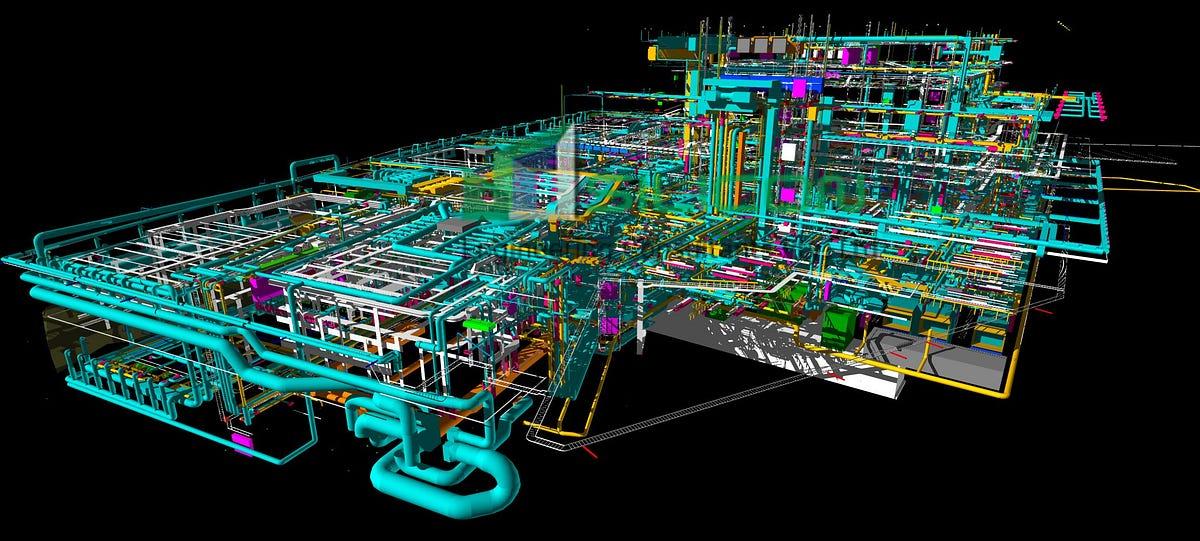
    Building Information Modeling (BIM) revolutionizes M&O strategies by offering advanced digital tools for asset management, maintenance planning, and performance monitoring. Consequently, BIM enables facility managers, engineers, and maintenance teams to access comprehensive data. Additionally, they can visualize system components in 3D, track maintenance histories, and simulate operational scenarios. As a result, these capabilities lead to more efficient and effective management of facilities. By integrating BIM with M&O workflows, stakeholders can streamline maintenance tasks, prioritize repairs, and optimize system performance to meet sustainability goals and regulatory requirements.

    BIM's Approach: Excellence in Education and Technological Integration:-

    At BIM, M&O strategies for MEP systems are integral to our curriculum in building management and sustainability. Firstly, we emphasize a holistic approach that combines theoretical knowledge with practical experience using BIM tools. Moreover, through hands-on projects, research initiatives, and industry collaborations, BIM prepares future professionals to leverage technological innovations. Consequently, they are equipped to lead transformative change in facility management towards proactive and sustainable solutions. Ultimately, this comprehensive approach ensures that our graduates are well-prepared to address the evolving challenges in the industry.

    The Journey of MEP System Maintenance: Innovations and Applications:-

    Advancements in M&O strategies for MEP systems encompass a spectrum of innovations. These innovations not only enhance reliability but also improve efficiency and promote environmental stewardship. Firstly, here are key areas where BIM plays a pivotal role in optimizing maintenance and operation:

    1. Predictive Maintenance:-

    Picture background

    Condition Monitoring: Utilizing IoT sensors and BIM-enabled data analytics to monitor equipment performance, detect anomalies, and predict potential failures before they occur.

    Risk-Based Maintenance: By using BIM's predictive modeling, you can assess equipment condition, prioritize maintenance based on risk, and extend asset lifespan through proactive upkeep. This approach improves efficiency and reduces costs.

    2. Asset Management and Lifecycle Planning:-

    Picture background

    Digital Twin Technology: By creating digital twins of MEP systems within BIM, we can replicate real-world behavior, thereby simulating operational scenarios and subsequently optimizing maintenance schedules for optimal performance.

    Lifecycle Cost Analysis: Conducting lifecycle cost assessments using BIM's cost estimation tools enables us to forecast maintenance expenditures. Additionally, it helps us plan budget allocations and justify investments in energy-efficient upgrades and system replacements. Additionally, these assessments help in understanding the long-term financial implications and make informed decisions regarding infrastructure improvements.

    3. Energy Efficiency and Sustainability:-

    Picture background

    Energy Performance Analysis: Integrating energy simulation tools with BIM enables us to analyze MEP system performance effectively, identify energy-saving opportunities efficiently, and implement efficiency measures that not only reduce operational costs but also decrease the carbon footprint.

    Sustainable Practices: Implementing sustainable maintenance practices, such as optimizing HVAC schedules, retrofitting lighting systems with energy-efficient LEDs, and implementing water-saving measures, to enhance building sustainability and achieve green building certifications.

    MEP System Maintenance: Impact on Efficiency and Sustainability:-

    Behind every MEP system maintenance strategy lies a profound human impact. Additionally, by integrating BIM with M&O practices, BIM ensures:

    Operational Efficiency: Streamlining maintenance workflows, reducing downtime, and minimizing disruptions to building occupants through proactive maintenance planning and predictive strategies are crucial for ensuring operational efficiency and tenant satisfaction. Additionally, implementing these strategies can lead to cost savings and improved long-term building performance.

    Sustainability: Implementing energy-efficient upgrades, optimizing resource use, and reducing environmental impact through data-driven decisions and continuous improvement initiatives can significantly enhance sustainability efforts.

    Picture background

    Innovating for a Sustainable Future: Collaboration and Adaptation:-

    As buildings evolve to meet higher standards of performance and sustainability, BIM facilitates collaboration and adaptation within M&O strategies for MEP systems:

    Remote Monitoring and Control: Using BIM-integrated building automation systems (BAS) to remotely monitor MEP system performance, adjust operational settings, and respond to changing environmental conditions in real-time.

    Regulatory Compliance: Ensuring MEP systems comply with building codes, energy efficiency standards, and environmental regulations through BIM-enabled documentation, compliance tracking, and reporting.

    Your Role in Advancing MEP System Maintenance: Empowering Change:-

    Studying MEP system maintenance through BIM at BIM is more than acquiring technical skills; it's embracing a commitment to innovation, sustainability, and improving building performance. Whether you aspire to optimize maintenance strategies, implement sustainable practices, or lead digital transformation in facility management, your journey begins here.

    Conclusion: Empowering Facility Management Through BIM:-

    In conclusion, MEP system maintenance through BIM exemplifies the convergence of technology, expertise, and human-centered design. By humanizing the science and understanding its profound impact on building performance and occupant well-being, we empower ourselves to adopt proactive, data-driven M&O strategies that enhance efficiency, sustainability, and resilience.

    Read more on:-

    For more information about engineering, architecture, and the building & construction sector, go through the posts related to the same topic on the Pinnacle IIT Blogs page.

    Find out more accurately what we are going to take off in the course of applying leading new technologies and urban design at Pinnacle IIT.

    Subscribe to our YouTube channel and blog websites to obtain all the up-to-date information relating to construction matters.
  • How Good Energy Efficiency Is Obtained By MEP

    How Good Energy Efficiency Is Obtained By MEP

    Welcome to an enlightening exploration of Energy efficiency in Mechanical, Electrical, and Plumbing (MEP) systems, guided by the transformative capabilities of BIM. In this blog, we will delve into the critical importance of energy efficiency. Explore how BIM enhances MEP systems' efficiency, and highlight the profound impact of energy-saving practices on communities and the environment. Join us as we humanize the science behind energy efficiency and discover how BIM is paving the way for buildings that are not only functional but also sustainable and energy-efficient.

    Picture background

    Understanding Energy Efficiency in MEP Systems:-

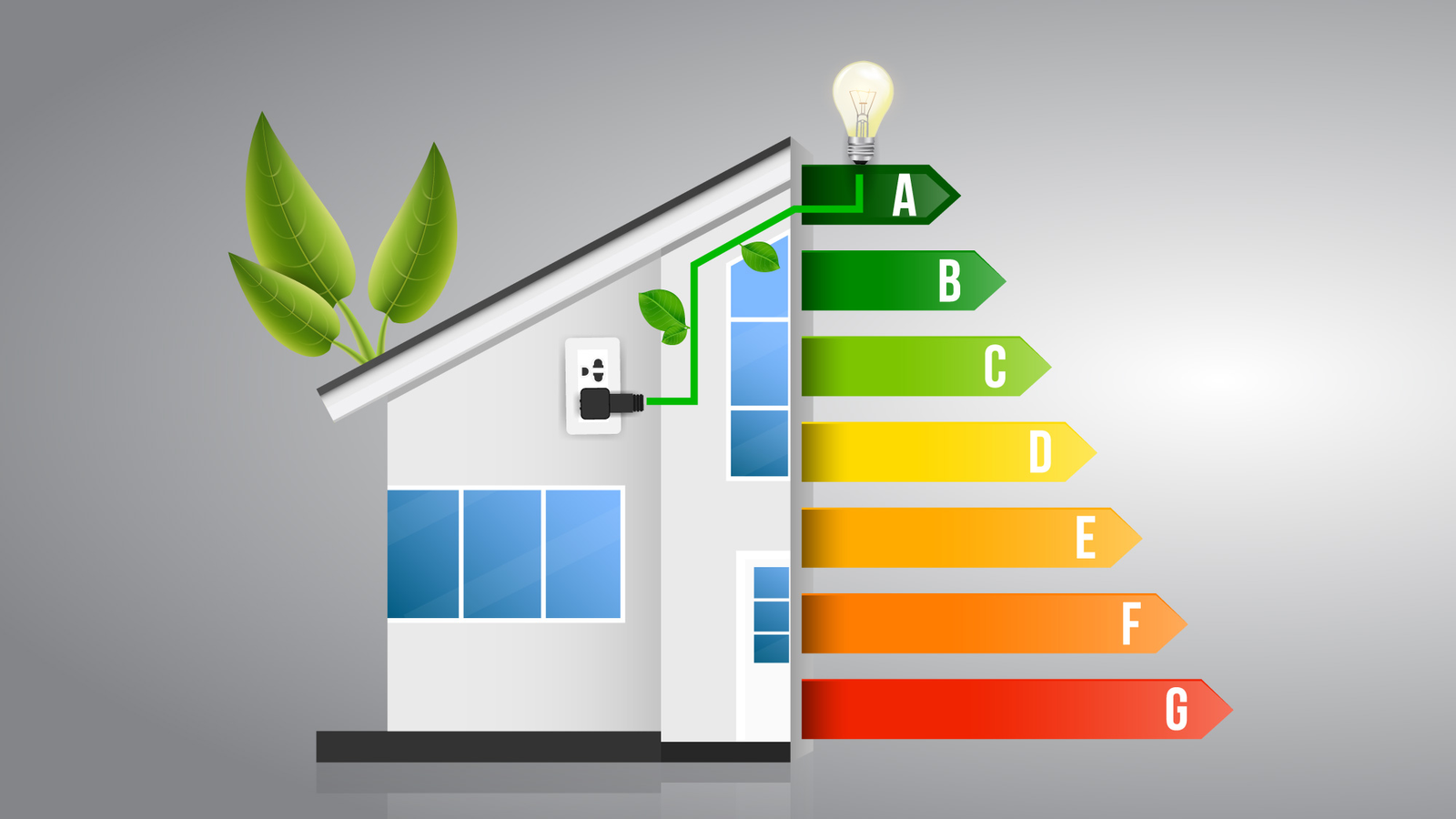
    Energy efficiency in MEP systems refers to the optimization of mechanical, electrical, and plumbing systems within buildings to minimize energy consumption while maintaining or enhancing performance. These systems play a crucial role in providing comfort, safety, and functionality to building occupants while significantly influencing overall energy use and environmental impact. By improving energy efficiency in MEP systems is crucial as it reduces operational costs, lowers greenhouse gas emissions, and mitigates climate change effects. Moreover, these enhancements foster sustainability across building operations.

    The Role of BIM in Enhancing Energy Efficiency:-

    BIM revolutionizes energy efficiency in MEP systems by providing advanced tools for design, analysis, simulation, and management, thereby fostering sustainability. Moreover, BIM empowers engineers with multidimensional modeling, optimizing performance, and assessing lifecycle impacts of MEP systems, ensuring comprehensive sustainability and efficiency. Facilitating informed decision-making, BIM maximizes energy savings and sustainability outcomes. Additionally, by integrating energy-efficient design principles into BIM workflows, engineers can identify opportunities for improvement and implement solutions that optimize building performance.

    BIM's Approach: Excellence in Education and Technological Integration:-

    At BIM, energy efficiency in MEP systems is integral to our curriculum in environmental engineering and sustainable design. Additionally, we emphasize a holistic approach that combines theoretical knowledge with hands-on experience using BIM tools. As a result, BIM equips future professionals not only to design but also to optimize energy-efficient MEP systems for modern buildings and communities.

    The Journey of Energy Efficiency in MEP Systems: Strategies and Innovations:-

    Achieving energy efficiency in MEP systems requires strategies and innovations to reduce energy use, improve performance, and enhance comfort. Here are key aspects where BIM plays a pivotal role in advancing energy efficiency:

    1. Optimized HVAC Systems:-

    Energy Modeling: BIM not only simulates HVAC performance but also carefully analyzes energy use patterns, subsequently optimizing equipment sizing, layout, and control strategies.

    Integrated Design: Collaborate with architects to integrate natural ventilation. Use daylighting strategies to reduce HVAC loads and energy demand.

    Picture background

    2. Efficient Lighting and Electrical Systems:-

    Lighting Design: Utilize BIM to design lighting layouts that maximize natural light; additionally, specify energy-efficient fixtures and automate controls.

    Power Distribution: Minimize electrical losses; optimize layouts; additionally, incorporate solar panels to enhance energy efficiency.

    3. Water Conservation and Plumbing Systems:-

    Water Management: Using BIM, you can design water-efficient plumbing systems by optimizing pipe routing, incorporating low-flow fixtures, and implementing greywater reuse. Additionally, BIM allows for the integration of various sustainable design strategies, which can further enhance water efficiency.

    Energy Recovery: Implementing heat recovery systems in plumbing can reclaim waste heat and reduce the energy needed for heating water. Additionally, these systems improve energy efficiency and contribute to cost savings.

    Picture background

    Energy Efficiency: Impact on Communities and Sustainability:-

    Behind every energy-efficient MEP system lies a profound human impact. By integrating BIM with energy efficiency initiatives, BIM ensures several key benefits:

    Cost Savings: By implementing efficient MEP systems, building owners and tenants can significantly reduce operational costs. For instance, these systems lead to lower energy bills. Additionally, they help in cutting down maintenance expenses. Consequently, the overall financial burden decreases..

    Environmental Protection: To lower greenhouse gas emissions and reduce the environmental footprint, it is essential to minimize energy consumption. Moreover, promoting sustainable building practices plays a crucial role in achieving these goals.

    Occupant Comfort: Enhancing indoor environmental quality, thermal comfort, and lighting levels can significantly improve occupant productivity, health, and well-being. Therefore, it is essential to focus on these aspects.

    Picture background

    Innovating for a Sustainable Future: Collaboration and Adaptation:-

    As global energy challenges intensify, BIM leads the way in developing innovative solutions that promote energy efficiency, resilience, and social equity:

    Advanced Simulation Tools: Using BIM's parametric modeling and performance analysis tools to predict energy performance, optimize system configurations, and validate compliance with energy codes and standards.

    Smart Building Technologies: Implementing IoT sensors and building automation systems integrated with BIM to monitor energy use in real time, adjust operational settings, and optimize building performance dynamically.

    Your Role in Promoting Energy Efficiency: Empowering Change:-

    Studying energy efficiency in MEP systems through BIM at BIM is more than acquiring technical skills; it's embracing a commitment to sustainability, innovation, and improving quality of life. Whether you aspire to design energy-efficient systems, advocate for sustainable policies, or educate communities about energy conservation, your journey begins here.

    Conclusion: Building a Sustainable Legacy Together:-

    In conclusion, energy efficiency in MEP systems through BIM exemplifies the convergence of technology, expertise, and human-centered design. By humanizing the science and understanding its profound impact on buildings and communities, we empower ourselves to create environments that are efficient, comfortable, and sustainable.

    Join us at BIM in embracing the challenge and privilege of advancing energy efficiency. Together, let's innovate, collaborate, and build a future where buildings not only meet functional needs but also contribute positively to our planet's health and resilience, ensuring a sustainable legacy for future generations.

    Read more on:-

    For more information about engineering, architecture, and the building & construction sector, go through the posts related to the same topic on the Pinnacle IIT Blogs page.

    Find out more accurately what we are going to take off in the course of applying leading new technologies and urban design at Pinnacle IIT.

    Subscribe to our YouTube channel and blog websites to obtain all the up-to-date information relating to construction matters.