Author: Happy Pachani

  • Emerging Trends and Best Career Paths: 2024 Civil Engineering

    Emerging Trends and Best Career Paths: 2024 Civil Engineering

    Introduction

    At Pinnacle IIT, a premier educational institution in India, we are dedicated to shaping the future of aspiring civil engineers. With a faculty rich in experience and a curriculum that stays abreast of industry trends, Pinnacle IIT is at the forefront of civil engineering education. The year 2024 marks a significant uptick in civil engineering opportunities, driven by a myriad of infrastructure projects nationwide. Let's explore the latest trends and career paths defining this dynamic field.

    Emerging Trends in Civil Engineering

    Building Information Modeling (BIM)

    BIM's role in civil engineering has grown exponentially, becoming a cornerstone for project visualization and management. Its importance in construction projects is underscored by enhanced communication and coordination, as discussed in-depth in our article on BIM in Infrastructure for Civil Engineers.

    Career Paths in BIM(Building Information Modeling)

    Image: Career in BIM(Building Information Modeling)

    Uncrewed Aircraft Systems (UAS) and Drones

    Drones are reshaping civil engineering, offering efficient solutions for surveying, mapping, and monitoring. Their use in emergency scenarios for rapid assessment is crucial, as highlighted in How Drones in Civil Engineering are Useful one of the career paths .

    Advanced Construction Methods

    2024 sees a shift towards advanced construction methods like prefabrication, 3D printing, and VR. These innovative approaches are transforming productivity and quality in construction, as elaborated in Building the New Future with BIM and Civil Engineering a new career paths.

    Green and Sustainable Construction

    The emphasis on green and sustainable construction is more pronounced than ever, focusing on eco-friendly materials and processes. This approach aligns with global environmental sustainability goals, a topic further explored in Green Building Mastery: The Impact of BIM.

    Green and Sustainable Construction a Career Paths

    Image: Green and Sustainable Construction

    Computational Methods in Structural Design

    Computational methods are revolutionizing structural design with their capacity to manage complex problems effectively. Discover more about these tools in Software in Structure Design: The Benefits of Structural Software.

    Career Paths in Civil Engineering

    Success in civil engineering hinges on understanding market demands, leveraging available resources, and embracing lifelong learning. By staying informed about industry advancements, civil engineers can excel and contribute significantly to India's construction sector.

    Stay informed about the latest in civil engineering and its trends by visiting Pinnacle IIT Blogs.

    Follow us on our official social media channels for updates on opportunities in civil engineering: Pinnacle IIT.

    For any queries, reach out to us at Pinnacle IIT Consultancy. Join the Pinnacle IIT community for a thriving career in civil engineering!

    Keep up with our blog for more insights into civil engineering and its evolving landscape. Happy reading!

  • What Is Better, Revit MEP Or MEP Engineering?

    What Is Better, Revit MEP Or MEP Engineering?

    Unveiling the Essentials of MEP Design and Modeling

    In the dynamic world of MEP (Mechanical, Electrical, and Plumbing) design, two terms often surface: Revit MEP and MEP Engineering. Both are integral to the modern construction landscape, yet they serve distinct purposes. This blog explores the nuances of Revit MEP and MEP Engineering, helping professionals and enthusiasts alike understand which might be better suited for their needs.

    Understanding Revit MEP

    What is Revit MEP?

    Revit MEP is a specialized module of Autodesk Revit, a Building Information Modeling (BIM) software. It focuses on MEP BIM Modeling, providing tools for 3D MEP Modeling, BIM Coordination, and Clash Detection. It's a go-to tool for MEP design optimization and is part of the broader suite of Revit software.

    Revit MEP Modelling

    Image: Revit MEP Modelling (Image Credit: Modelical)

    The Advantages of Revit MEP

    1. Integrated Design Workflow: Revit MEP supports an integrated workflow, facilitating Building Systems Integration.
    2. Advanced Modeling Capabilities: With 3D modeling, Revit MEP offers detailed representations of MEP systems.
    3. Enhanced Coordination: It enables efficient MEP Coordination Services, reducing conflicts and streamlining project execution.

    Diving into MEP Engineering

    Defining MEP Engineering

    MEP Engineering is a discipline that involves planning, designing, and managing the MEP systems of a building. It encompasses a broader scope than just modeling, focusing on the practical application of engineering principles.

    Why MEP Modelling is Better than Revit MEP?

    Image: Why MEP Modelling is Better than Revit MEP (Image Credit: United BIM)

    The Scope of MEP Engineering

    1. Versatile Engineering Solutions: MEP Engineering addresses real-world challenges in HVAC, electrical, and plumbing systems.
    2. Comprehensive System Design: It involves detailed planning and construction documentation of MEP systems.
    3. Sustainability Focus: MEP Engineers often work on optimizing systems for energy efficiency and sustainability.

    Revit MEP vs. MEP Engineering: A Comparison

    CriteriaRevit MEPMEP Engineering
    DefinitionA specialized module within Autodesk Revit focused on 3D modeling of MEP systems.A broad field of engineering dealing with the design, implementation, and management of mechanical, electrical, and plumbing systems in buildings.
    Primary FocusProvides tools for detailed modeling, coordination, and clash detection of MEP systems.Involves planning, designing, managing, and optimizing MEP systems for functionality and efficiency.
    Skills RequiredProficiency in BIM software, particularly Autodesk Revit, and understanding of MEP systems for accurate modeling.Extensive knowledge in MEP principles, problem-solving, system design, and project management.
    Key Features– Integrated BIM workflow
    – Advanced 3D modeling capabilities
    – Clash detection and resolution
    – Comprehensive system design
    – Focus on sustainability and efficiency
    – Real-world application of engineering principles
    OutcomeProduces detailed digital models and drawings of MEP systems, aiding in visualization and pre-construction coordination.Leads to the actual implementation and functioning of MEP systems in buildings, ensuring their efficiency and compliance with standards.
    Industry RoleA tool used by MEP engineers and designers for efficient design and collaboration in BIM projects.A fundamental engineering discipline essential for the construction and maintenance of safe and functional buildings.
    Job Market ValueHighly valued for roles in BIM modeling, coordination, and pre-construction planning.Essential for roles in MEP system design, project management, and engineering consultation.

    Frequently Asked Questions

    Question: Can Revit MEP replace MEP Engineers?
    Answer: No, Revit MEP is a tool that assists MEP Engineers in their work. It complements but does not replace the expertise of an MEP Engineer.

    Question: Is Revit MEP essential for MEP Engineering?
    Answer: While not essential, Revit MEP is a valuable tool in modern MEP Engineering for visualization and coordination of MEP systems.

    Question: What’s the learning curve for Revit MEP compared to MEP Engineering?
    Answer: Revit MEP requires learning specific software skills, whereas MEP Engineering is a broader field requiring extensive engineering education.

    Question: Can MEP Engineers work without Revit MEP?
    Answer: Yes, MEP Engineers can work without Revit MEP, but using it enhances efficiency and accuracy in design and coordination.

    Question: Which is more valuable in the job market, Revit MEP skills or MEP Engineering qualifications?
    Answer: Both are valuable. Revit MEP skills are sought after in the BIM and modeling sector, while MEP Engineering qualifications are essential for design and project management roles.

    Conclusion

    In the end, the choice between Revit MEP and MEP Engineering depends on your career goals and interests. Revit MEP is an indispensable tool for modern MEP professionals, while MEP Engineering offers a broader scope in the design and implementation of systems. To explore more about BIM and MEP technologies, visit Pinnacle IIT Blogs.

    Embrace the synergy of technology and engineering by integrating Revit MEP skills into your MEP Engineering practice. Discover more about this integration and its benefits at Pinnacle IIT.

  • BIM Brilliance: Elevate Your MEP Modeling Career to New Heights

    BIM Brilliance: Elevate Your MEP Modeling Career to New Heights

    The world of construction is continuously evolving, and at the forefront of this evolution is Building Information Modeling (BIM). For professionals in Mechanical, Electrical, and Plumbing (MEP) modeling, mastering BIM is not just a skill enhancement; it's a career game-changer. This blog will guide you through enhancing your MEP modeling skills and how to leverage BIM 2024 trends, civil tools, and other resources to elevate your career to new heights.

    The Impact of BIM on MEP Modeling

    Embracing BIM in MEP

    BIM has transformed the landscape of digital construction. For MEP professionals, understanding BIM modeling and its application in 3D MEP Modeling, BIM Coordination, and Clash Detection is crucial. These skills are pivotal in executing complex projects with efficiency and precision.

    Advancements in BIM

    As we approach BIM 2024, the industry is witnessing rapid advancements in design software and engineering solutions. Staying updated with the latest top BIM tools and engineering guides is essential for any aspiring MEP professional. Delve deeper into BIM advancements at exploration of BIM's future.

    Futuristic BIM MEP Modeling

    Image: Futuristic MEP BIM Modeling

    Enhancing MEP Modeling Skills

    1. Mastering MEP BIM Modeling

    To excel in your MEP career, gaining proficiency in MEP BIM Modeling is fundamental. It involves creating detailed 3D models that integrate seamlessly with other building systems.

    2. Effective BIM Coordination

    BIM Coordination is about ensuring all building systems work in harmony. This skill is crucial in preventing clashes and ensuring project efficiency.

    3. Advanced Clash Detection Techniques

    Clash Detection is vital in identifying and resolving conflicts between different systems early in the design phase, saving time and costs.

    4. Focusing on MEP Design Optimization

    MEP Design Optimization involves refining systems for maximum efficiency and sustainability. Grasping this aspect can significantly impact your role in sustainable building design.

    Focusing on MEP Design Optimization

    Image: Focusing on MEP Design Optimization

    5. Continuous Learning and Adaptation

    The field of BIM is ever-evolving. Engage in continuous learning through platforms like comprehensive BIM resources.

    Frequently Asked Questions

    Question: How can I start my career in MEP BIM Modeling?
    Answer: Begin by learning the basics of BIM, focusing on MEP-specific modeling. Online courses and resources like beginner's guide to BIM are great starting points.

    Question: What are the key skills needed for MEP BIM Modeling?
    Answer: Proficiency in 3D modeling, understanding of MEP systems, skills in clash detection, and familiarity with BIM software are crucial.

    Question: How does BIM Coordination enhance MEP modeling?
    Answer: It ensures that mechanical, electrical, and plumbing systems are integrated without conflicts, enhancing overall project efficiency.

    Question: Can MEP BIM skills lead to career advancement?
    Answer: Absolutely. Proficiency in MEP BIM Modeling opens up opportunities for higher roles in project management and coordination.

    Question: What resources can help me stay updated with BIM advancements?
    Answer: Regularly follow industry blogs, participate in webinars, and explore platforms like the latest in BIM technology.

    Conclusion

    Elevating your MEP modeling career requires a blend of technical proficiency, continuous learning, and staying abreast of the latest industry trends. BIM brilliance is within your reach, offering a pathway to unprecedented career heights in digital construction and building design.

    For more insights into the dynamic world of BIM and how it's shaping the future of construction technology, explore Pinnacle IIT Blogs. Embrace the journey and witness your career soar to new heights with BIM mastery.

    Elevate your knowledge in Engineering and Construction by immersing yourself in Pinnacle IIT's insightful blogs.

  • What are some of the most common and Useful MEP BIM services?

    What are some of the most common and Useful MEP BIM services?

    In the fast-paced world of building design and construction, MEP (Mechanical, Electrical, and Plumbing) BIM (Building Information Modeling) services have become a cornerstone for success. As we edge closer to BIM 2024, the integration of advanced design software and efficient workflows in MEP BIM services is reshaping the industry. This blog delves into the most common and useful MEP BIM services, highlighting how they contribute to more innovative and sustainable building solutions.

    MEP BIM Services: A Game-Changer in Building Design

    1. MEP BIM Modeling

    MEP BIM modeling is a critical service that involves creating detailed 3D models of a building's mechanical, electrical, and plumbing systems. It facilitates building systems integration, ensuring all systems work harmoniously. Learn more about 3D modeling in BIM insights on 3D MEP Modeling.

    MEP BIM Modeling with the help of MEP BIM services

    Image: MEP BIM Modeling

    2. BIM Coordination

    BIM coordination involves aligning different building systems to work in unison. It's essential for MEP coordination services, ensuring no clashes occur between different systems. For deeper understanding, visit guide on BIM Coordination.

    3. Clash Detection

    A pivotal aspect of MEP BIM services, clash detection, helps identify and resolve conflicts between building systems before construction. This service saves time and costs by preventing on-site issues. Explore the importance of clash detection article on Clash Detection in BIM.

    4. MEP Design Optimization

    MEP design optimization refines systems for efficiency and sustainability. It plays a crucial role in achieving green building certifications. Dive into the role of BIM in design optimization blog on green building and BIM.

    MEP Design Optimization USING MEP BIM services

    Image: MEP Design Optimization

    5. Construction Documentation

    Accurate construction documentation is vital for project success. MEP BIM services streamline this process, ensuring all details are precise and up-to-date.

    Frequently Asked Questions

    Q: What makes MEP BIM Modeling essential in modern construction?
    A: MEP BIM Modeling ensures accurate representation of all mechanical, electrical, and plumbing elements, leading to more efficient and error-free construction processes.

    Q: How does BIM Coordination contribute to building efficiency?
    A: It aligns different building systems, ensuring seamless integration and functionality, crucial for the project's overall success.

    Q: What is the significance of Clash Detection in MEP BIM?
    A: Clash Detection identifies and resolves potential conflicts in the design phase, saving time and cost by preventing construction delays and redesigns.

    Q: Can MEP BIM Services help in achieving sustainability in buildings?
    A: Absolutely. By optimizing MEP designs, BIM services contribute significantly to creating energy-efficient and sustainable buildings.

    Q: Why is Construction Documentation important in MEP BIM Services?
    A: Accurate documentation ensures that all parties involved have access to precise and current information, crucial for the seamless execution of a project.

    Conclusion

    The integration of MEP BIM services in the construction industry marks a significant leap towards more efficient, sustainable, and cost-effective building processes. As we move towards BIM 2024, embracing these services becomes increasingly important. For more insights and practical tips on MEP BIM and its applications, visit Pinnacle IIT Blogs.

    Join us in this journey towards innovation and efficiency in construction. Discover more about the potential of BIM in transforming the industry at Pinnacle IIT.

  • Sustainable Building & Green Living

    Sustainable Building & Green Living

    Embracing a Greener Lifestyle with Sustainable Living Practices

    In the modern era, where environmental consciousness is not just a choice but a necessity, the concept of sustainable living practices has gained significant traction. It's about making choices that not only benefit us but also the planet. From BIM 2024 technologies enhancing green building designs to eco-friendly home practices, this journey is replete with innovative solutions and practical tips for a sustainable future.

    Embracing a Greener Lifestyle with Sustainable Living Practices

    Embracing a Greener Lifestyle with Sustainable Living Practices (Image Credit: ADT Solar)

    The Role of Technology in Sustainable Living

    Civil Tools and Engineering Guides have revolutionized how we approach eco-friendly designs. For instance, User-Friendly BIM (Building Information Modeling) and Efficient Workflows in construction have led to more energy-efficient and sustainable buildings. Incorporating Design Software in planning enables a detailed understanding of a building’s environmental impact even before it's built. Explore more about BIM's role in sustainable construction on Pinnacle IIT's blog on BIM in achieving green building certifications.

    The Role of Technology in Sustainable Living

    The Role of Technology in Sustainable Living (Image Credit: ICS Career GPS)

    Sustainable Home and Lifestyle Choices

    Energy Conservation

    Opt for energy-efficient appliances and explore green energy solutions like solar panels. Implementing small changes, such as using LED lighting, can significantly reduce your carbon footprint. Learn about the latest in green technology with insights on BIM technology.

    Water Usage

    Water conservation ideas are vital. Simple acts like fixing leaks and installing low-flow fixtures can make a big difference. For more practical tips, dive into guide on efficient BIM practices.

    Transportation

    Sustainable transportation methods like biking, walking, or using public transport help reduce carbon emissions. Discover the integration of sustainable practices in civil engineering on detailed guide.

    Shopping Habits

    Eco-friendly shopping involves choosing products with minimal environmental impact. Opt for items with less packaging and those made from recycled materials.

    Frequently Asked Questions

    Question: How can BIM contribute to sustainable living?
    Answer: BIM aids in creating efficient building designs that are energy and resource-efficient, thereby supporting sustainable living. For an in-depth understanding, visit Pinnacle IIT's article on BIM and sustainable living.

    Question: What are some easy sustainable living tips for everyday life?
    Answer: Simple actions like turning off lights when not in use, using public transportation, recycling, and reducing water waste can make a significant impact.

    Question: Can eco-friendly practices be cost-effective?
    Answer: Absolutely! Practices like using energy-efficient appliances and reducing water usage can lead to substantial savings on utility bills.

    Question: How does recycling contribute to a sustainable lifestyle?
    Answer: Recycling reduces the need for raw materials, thus conserving natural resources and reducing pollution.

    Question: What are some sustainable alternatives for daily commuting?
    Answer: Options like carpooling, biking, and using public transit are great sustainable alternatives that reduce carbon emissions.

    Conclusion

    Adopting sustainable living practices is not just a trend; it's an essential step towards a healthier planet. By integrating technology like BIM 2024 and Civil Tools in our construction and design practices, and adopting eco-friendly lifestyle changes, we pave the way for a greener, more sustainable future. For more insights on sustainable innovations, explore Pinnacle IIT Blogs.

    Embrace these changes, and join the movement towards a sustainable future. Remember, every small step counts!


    For a deeper dive into sustainable innovations and engineering solutions, don't forget to visit Pinnacle IIT.

  • Top Sustainable Building Materials 2026

    Top Sustainable Building Materials 2026

    The quest for sustainability in construction has led to the evolution of eco-friendly building materials. This blog highlights the most popular sustainable building materials that are revolutionizing the industry today.

    Top Sustainable Building Materials

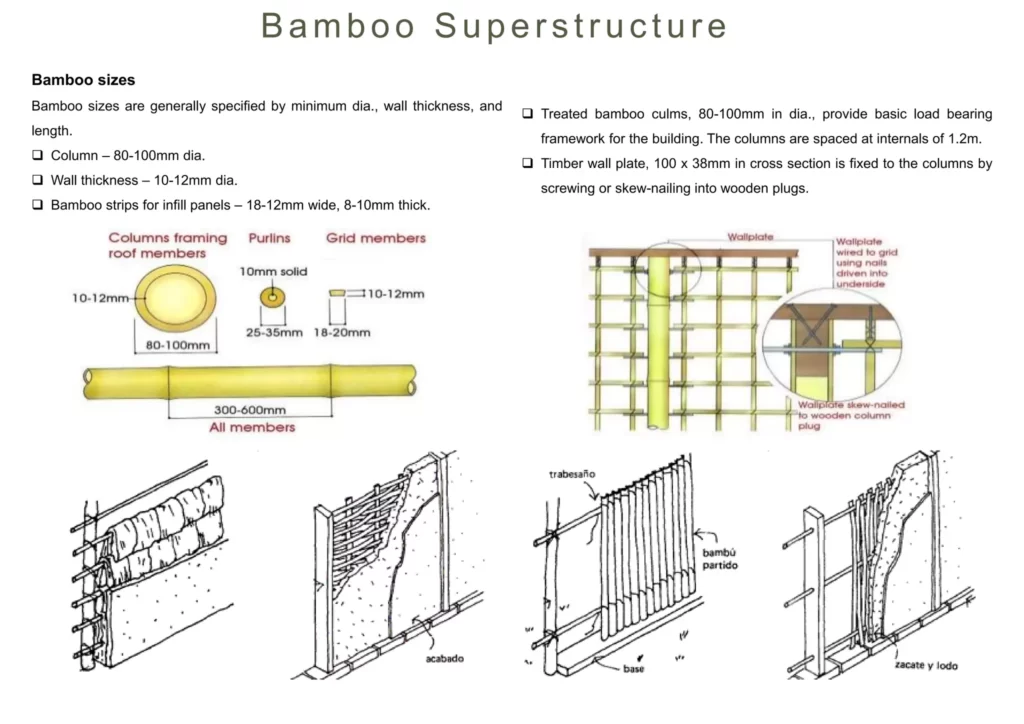
    Bamboo Construction

    Bamboo is celebrated for its robustness and flexibility. It grows rapidly, making it a renewable resource ideal for eco-friendly construction. Its resilience against environmental factors adds to its desirability in sustainable building.

    Sustainable Building Materials by the use of Bamboo

    Image Source: SlideShare

    Recycled Steel

    Recycled steel significantly lowers the environmental toll of mining and processing, providing a strong and sustainable alternative. It's an excellent choice for structural support in eco-conscious building designs.

    Recycled Steel in Construction

    Image: Recycled Steel in Construction

    Reclaimed Wood

    Utilizing reclaimed wood helps combat deforestation and brings a unique, rustic aesthetic to construction. It's a responsible choice that blends environmental care with distinctive style.

    Rammed Earth

    This ancient construction method, seeing a revival, is known for its excellent thermal properties and unique natural appearance. It involves compacting earth to create solid, thermally efficient walls.

    Rammed Earth used for Sustainable Building Materials

    Image Source: Rammed Earth Construction

    Cork Flooring

    Cork, derived from the bark of cork oak trees, is a sustainable, renewable resource. It offers comfort underfoot, durability, and contributes to a lower carbon footprint, making it a popular eco-friendly flooring option.

    Cork Flooring used in Sustainable Building Materials

    Image Source: Cork flooring

    Hempcrete

    Hempcrete, a blend of hemp fibers and lime, is a sustainable building material praised for its light weight and insulating properties. It's an excellent choice for eco-friendly construction, particularly in wall systems.

    Hempcrete used in Sustainable Building Materials

    Image Source: Hempcrete

    Solar Panels

    Incorporating solar panels in building designs enhances energy efficiency and reduces reliance on fossil fuels. They are a key element in sustainable construction, contributing to reduced carbon emissions.

    Insulated Concrete Forms (ICFs)

    ICFs offer superior insulation, leading to significant energy savings in buildings. They consist of concrete forms that are left in place to provide continuous insulation and soundproofing.

    Insulated Concrete Forms (ICFs)

    Image Source: Insulated Concrete Forms

    Green Roofing

    Green roofs, covered with vegetation, are visually appealing and offer numerous environmental benefits. They improve air quality, provide natural insulation, and enhance the sustainability of buildings.

    This table provides a quick overview of the materials, their unique features, and how they contribute to sustainability in construction.

    MaterialFeaturesSustainability Factor
    BambooStrong, flexible, fast-growingRenewable, low environmental impact
    Recycled SteelDurable, sturdyReduces mining and manufacturing impact
    Reclaimed WoodUnique aestheticReduces deforestation, reuses existing wood
    Rammed EarthNatural look, excellent insulationLowers energy costs, uses local materials
    Cork FlooringComfortable, durableRenewable, biodegradable
    HempcreteLightweight, insulatingCarbon-negative, renewable
    Solar PanelsEnergy-efficientReduces carbon emissions
    Insulated Concrete Forms (ICFs)Superior insulationReduces energy consumption in buildings
    Green RoofingAesthetic, improves air qualityInsulates buildings, supports biodiversity

    Frequently Asked Questions

    Question: How does BIM 2024 support sustainable building practices?
    Answer: BIM 2024 enhances efficient workflows and accurate planning in using sustainable materials, minimizing waste and maximizing efficiency.

    Question: Can sustainable building materials reduce construction costs?
    Answer: Yes, many sustainable materials are cost-effective in the long term due to their durability and energy efficiency.

    Question: Are sustainable building materials compatible with modern design software?
    Answer: Absolutely. Modern design software easily integrates these materials into construction plans, as discussed in Design Software and Sustainability.

    Question: What are some practical tips for incorporating sustainable materials in construction?
    Answer: Research material properties, consider local availability, and consult with experts on sustainable construction.

    Question: Can sustainable materials be used in all types of construction projects?
    Answer: Yes, there's a wide range of sustainable materials suitable for various project types, from residential to commercial.

    Conclusion

    Sustainable building materials are key to creating environmentally friendly and energy-efficient structures. Embracing these materials is not only beneficial for the planet but also cost-effective in the long run. For more insights into sustainable construction, visit Pinnacle IIT Blogs and explore further at Pinnacle IIT.