Author: Happy Pachani

  • Hindu Temple in Abu Dhabi `new update`: Inaugurated on…

    Hindu Temple in Abu Dhabi `new update`: Inaugurated on…

    Inauguration Date and Construction Journey

    In February 2018, the Prime Minister of India Narendra Modi laid a foundation stone for BAPS Hindu Temple in Abu Dhabi. This event was a defining moment in the celebration of mutual relations between India and UAE.

    The construction began in December 2019, and after careful planning and implementation; the temple will be inaugurated on February 14, 2024.

    Image Credit: OneIndia Gujarati

    BAPS Organization: Promoting Socio-Spiritual Values

    Bochasanwasi Shri Akshar Purushottam Swaminarayan Sanstha (BAPS) is a global socio-spiritual Hindu faith.

    Founded in 1907, it has over 3850 centers across the world including around a 1000 mandirs or temples.

    The BAPS organization advocates the values of puja, meditation, and abstinence from vices which contribute to spiritual development as well as communal harmony.

    Image Credit: Wikipedia

    Key Features of the Temple

    Spread over more than 5.4 hectares of land, the temple is a symbol of architectural brilliance and cultural value.

    At a construction cost of Rs.700 crore, it has a carefully designed pink sandstone and marble façade which symbolizes the unit of the Emirates.

    The complex has a large auditorium, gallery, library with food court and majlis as well 2 community halls that can accommodate up to 5000 people.

    In addition, the temple has gardens and a children's playground where people meet to interact promoting community participation and cultural exchange.

    Image Credit: MEP Middle East

    Construction Details

    The BAPS Hindu Temple in Abu Dhabi is spread over an area of 5.4 hectares and it has a construction costing of Rs.700 crores. It demonstrates master craftsmanship and architectural innovation.

    The temple has more than 40,000 cubic meters of marble; over180,573 cubic meters of sandstone and above 1.8 million bricks. Its marble frontage has 7 spire which symbolize the Emirates of UAE.

    Historical Significance and Diplomatic Relations

    The visit of PM Modi in UAE in 2015 paved the manner for the establishment of the temple and it shows that bilateral relations among international locations were encouraged.

    The land allocation for the temple underlined the UAE’s commitment to promote cultural diversity and promote religious tolerance.

    The various follow up visits and diplomatic interactions enhanced the relationship between India and UAE. This finally made the remarkable start of the Hindu Temple in Abu Dhabi possible.

    Purpose and Symbolism

    BAPS Hindu Temple in Abu Dhabi is more than a place of worship, it represents the cultural unity and world peace.

    It symbolizes the principals of Vasudhaiva Kutumbakam, which highlights that different cultures and civilizations get harmonized.

    The temple is a symbol of tolerance, acceptance and respect for each other which promotes understanding between the nations.

    Role of PM Modi and Diplomatic Achievements

    PM Modi's visionary management has performed a pivotal function in advancing India's diplomatic activity.

    And it also strengthens bilateral family members with the UAE and different Middle Eastern countries.

    The inauguration of the BAPS Hindu temple in Abu Dhabi underscores India's emergence as a worldwide leader and champion of cultural variety.

    Inauguration Ceremony and Community Reception

    The Prime Minister of India, Narendra Modi is scheduled to open the Hindu Temple in Abu Dhabi on February 14, 2024 after his experience in UAE.

    Before the inauguration, there will be a community reception called 'Alhan Modi' on February 13, 2024.

    This event highlights the rich Indian diaspora and celebrates the cultural diversity of the nation.

    The reception to be organized at Sheikh Zayed Sports Stadium is likely to draw a massive audience. This also highlights the strong historic relations between India and UAE.

    Conclusion

    The opening of Abu Dhabi's first Hindu Temple marks a historic milestone in UAE culture.

    With its architectural splendor and symbolic significance, the temple stands as a testament to the enduring friendly relations between India and UAE.

    Prime Minister Narendra Modi unveils this iconic gesture and therefore it is a reminder of the shared values of tolerance, popularity and mutual interest that unite nations and transcend borders.

    For more insightful and informative blogs like this, be sure to visit Pinnacle IIT and for more detailed information, visit Pinnacle IIT Blogs.

  • Paytm Payments Bank ‘new update’ to customers: ‘Your money…’

    Paytm Payments Bank ‘new update’ to customers: ‘Your money…’

    The Indian monetary quarter is currently experiencing large disturbance because of Reserve Bank of India's (RBI) strict regulations on Paytm Payments Bank, a key player in virtual payment solutions.

    This development has raised concerns among the considerable person base and traders of Paytm.

    In this article, we will discuss about the reasons behind the RBI's actions, their result on diverse Paytm offerings together with nodal money owed and NCMC (National Common Mobility Card), and the subsequent market and organization responses.

    Image Credit: Today Explore

    Understanding the RBI's Action:

    On January 31, the RBI ordered Paytm Payments Bank to stop all banking activities by the end of February.

    This decision can be traced to “persistent non-compliances and continued material supervisory concerns” relating to customer due diligence, use of funds, and technology infrastructure.

    Consequently, Paytm Payments Bank was directed to close down most of the operations by February 29, 2024, affecting more than 330 million wallet accounts that are critical to Paytm's ecosystem.

    Stock Market Changes:

    The stock price of Paytm has fallen sharply over the past 2 consecutive trading sessions, touching the 20% lower circuit limit.

    The stock price fell to ₹487.20 after the RBI announcement, representing discount of 77.34%, from it's issue price of ₹2,150.

    This slowdown has not only impacted investors but also reduced the market cap of company from ₹48,247 crore to ₹30,888 crore.

    Image Credit: India Today

    What Will Happens to Customers Money?

    Customers' funds in Paytm accounts, including savings, wallets, FASTags, and NCMC, are expected to remain accessible and unaffected by the RBI's restrictions.

    1] Wallet Balances:

    Funds in Paytm wallets are likely to stay safe. Customers may still be able to use their wallet balance for nan-banking transactions such as bill payments, recharges and other services rendered by Paytm.

    2] Savings and Current Accounts:

    • For people having savings or current accounts in Paytm Payments Bank, the bank will most probably have to guarantee a security of their funds.
    • This may include transferring the money to other bank accounts as per the customer's instructions, under RBI supervision.

    3] Fixed Deposits:

    1. Return on Maturity: Paytm Payments Bank must ensure fixed deposits are returned to customers upon their maturity.
    2. Transfer Option: The bank should offer the choice to transfer these deposits to another bank, respecting customer preferences.

    4] Loan Repayments:

    1. Third-Party Loans Unaffected: Loans via Paytm, though facilitated by it, are provided by external lenders and typically remain unaffected.
    2. Maintain Repayment Schedule: Customers are advised to continue their repayments according to the terms agreed upon with their respective lenders.

    5] Nodal Accounts:

    • Paytm is in discussions with major banks to migrate its nodal accounts, which are essential for business operations like handling funds for customers and vendors.
    • This move is in response to the RBI's directives and is aimed at complying with regulatory norms.
    • The migration process is expected to be completed in accordance with the set deadline of February 29.

    6] NCMC and Other Prepaid Instruments:

    Customers who use prepaid instruments like NCMC assisted via Paytm may have to spend their balance within a stipulated time or switch it as per the provided guidelines by Paytm.

    Impact on Paytm Payments Bank Services:

    Paytm Wallet and FASTags:

    Paytm Payments Bank's inability to conduct credit score transactions or wallet's top-ups affected those offerings.

    However, current wallet balances and FASTags remain operational. Users can recharge their wallets through other bank partners.

    Paytm UPI Transactions:

    After February 29th, UPI services may be restricted for users with associated UPI addresses due to limited offerings. The transactions via UPI between different banks remain uninterrupted.

    Paytm Payments Bank Response:

    With Vijay Shekhar Sharma promising that the Paytm app will remain functional even after February 29, customers can rest assured.

    The firm is actively aligning with RBI guidelines, intending to transition operations and partner with banks, distancing from Paytm Payments Bank.

    Conclusion

    The current hard actions taken by RBI towards Paytm Payments Bank have introduced to light the crucial role of compliance inside the economic area.

    As Paytm works to navigate those regulatory challenges, it's miles vital for customers and investors to get live updated at the progress.

    It reminds us of the fintech sector's evolving nature and the critical need for regulatory frameworks.

    For more insightful and informative blogs like this, be sure to visit Pinnacle IIT and for more detailed information, visit Pinnacle IIT Blogs.

  • Indian Budget 2024: A New Fiscal Policy Budget of 2024-25

    Indian Budget 2024: A New Fiscal Policy Budget of 2024-25

    The Indian Budget 2024 for the economic 12 months of year 2024-25, supplied by means of Finance Minister Smt. Nirmala Sitharaman on Feb 1st, 2024, encompasses quite a number tasks geared toward fostering economic boom and social welfare.

    Ms. Sitharaman mentioned in her Budget 2024 speech, Centre’s several initiatives for women, youth and poor etc., She stated that the Indian economy has undergone a radical change and credited structural reforms implemented by the government.

    The government’s concentration was directed towards four of major ‘varnas’, which were women, youth, farmers and poor “as when they progresses then country proceed,” she added.

    Image Credit: The Economic Times

    Taxation and Financial Reforms:

    • The price range continues the current fees for direct and oblique taxes, such as import obligations.
    • Notably, there is an extension of tax benefits to Start-Ups and investments through sovereign wealth or pension price range till March 31, 2025.
    • A commendable step is the withdrawal of great direct tax demands as much as Rs. 25000/- for positive intervals, benefiting a massive range of taxpayers.
    • Direct tax collections have seen a giant growth, with the tax base of GST more than doubling and the average month-to-month gross GST collection reaching Rs. 1.66 lakh crore.
    • With the Direct Benefit Transfers (DBTs) amounting to Rs. 34 lakh crore, there were considerable government savings savings of about Rs. 2.7 lakh crore.
    • As Revenue Secretary Sanjay Malhotra said, the withdrawal of standing claims (outstanding small direct tax demands for certain years) amounted to about 1.1 crore will cost less than Rs. 3,500 crore to exchequer.

    Social Justice and Empowerment:

    • The budget emphasizes upliftment across four key segments: the bad, ladies, youngsters, and farmers.
    • Programs like PM Jan Dhan Yojana awareness on tribal businesses, marking a sizable step toward inclusive development.

    Education and Youth Empowerment:

    • Establishment of recent educational institutions which includes IITs, IIMs, AIIMS, and universities.
    • The Pradhan Mantri Mudra Yojana has made giant strides in encouraging young people entrepreneurship.

    Economic and Infrastructure Development:

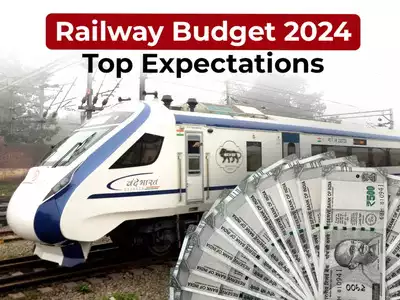
    • The advent of foremost financial railway corridor programs and the upgrading of rail bogies to Vande Bharat standards.
    • In the aviation area, there is a great increase inside the variety of airports and new plane orders.

    Housing and Urban Development:

    • The authorities keeps its attention on housing, with the Pradhan Mantri Awas Yojana (Grameen) making plans to construct 2 crore greater homes in the subsequent 5 years.

    Image Credit: Fortune India

    • Introduction of a new scheme to assist middle-elegance families in owning homes.
    • The Pradhan Mantri Suryodaya Yojna introduced in the Indian Budget of 2024-25 concentrates on rooftop solarization and has a plan to provide Rs. 1 crore households with up to 300 units free electricity per month.

    Healthcare Initiatives:

    • Budget 2024 Plans to set up more scientific schools and sell cervical cancer vaccination.
    • Healthcare facilities under Ayushman Bharat will be extended to all Aasha workers, Aanganwadi workers.

    Agriculture and Food Processing:

    The Indian Budget for the fiscal year 2024-25 has added numerous new schemes and has continued its consciousness on tremendous investments in various sectors to force increase and improvement.

    Here are the highlights of the brand new tasks and schemes, at the side of their sanctioned funds and related details:

    Research and Innovation:

    • A fund worth Rs. 1 lakh crore is set up to kick start a glorious era in the history of youngsters who are technology-driven that shall propel their country forward.
    • This Fund is designed to offer long-term loan or refinancing of loans with such high tenors and irregular, if any interest repayments; noticeable the fund frees up financial resources that enable sustained mass private sector.

    Railways:

    • Budget concentrates on energy, mineral, and cement corridors which provide better rail infrastructure for traffics optimization to boost economic performance.
    • Consolidation of the port connectivity and high-traffic density corridors effectively forms a cornerstone for strengthening the rail sector through planning, directive measures.
    • Transforming 40,000 rail carriages to Vande Bharat standards emphasizes a significant leap in passenger safety and comfort.
    • Key rail infrastructure projects including Metro Rail and Namo Bharat will be expanded to more cities.

    Image Credit: TimesofIndia

    Aviation Sector:

    • India's aviation as airports double to 149,along with 517 new routes, boosting passenger capacity considerably amid extensive boom.
    • Indian vendors order 1000 new aircrafts, signaling a commitment to aviation sector's growth in fiscal year budget 2024.

    High-Powered Committee:

    • Challenges arising from fast population increase will be dealt with by a committee, whose recommendations would take ‘Viksit Bharat’ into consideration for coherent development initiatives.
    • Setting up a powerful committee to deal with demographics change and all actions meeting the ambition of 'Viksit Bharat'.

    Fiscal Policy and Taxation:

    • The interim finances keeps the direct and oblique taxes unchanged, making sure stability in tax tiers for continuity.
    • Significant upgrades in taxpayers offerings such as withdrawal of legacy direct taxes needs.
    • Unchanged import responsibilities hold balance in the tax surroundings.
    • Measures installed location to simplify tax administration that eases the concerns of sincere taxpayers.

    Conclusion

    The Indian budget 2024 is extra than only a monetary statement; it lays down the time table of India with a view to be modern, inclusive and sustainable.

    This budget is a landmark within the records of fiscal planning due to the fact via taking up balanced technique closer to growth, empowerment and innovation it has set an example for future planners.

    It sincerely indicates that the authorities is decided to manual the India onto a higher and wealthy future.

    For more insightful and informative blogs like this, be sure to visit Pinnacle IIT and for more detailed information, visit Pinnacle IIT Blogs.


  • Explore the Best Job Opportunities for Civil Engineers 2024

    Explore the Best Job Opportunities for Civil Engineers 2024

    One of the field of study said to be backbone of modern infrastructure, Civil Engineering is full of dynamic and exciting career and job opportunities for civil engineers. Rising demand for the professional graduates has made understanding the various positions offered in this area important. The main goal of this blog is to make users aware about the different high demand civil engineering positions in present time.

    Job Opportunities for Civil Engineers

    1] BIM Engineer:

    Building Information Modeling (BIM) Engineers play a pivotal function in present day construction projects. They utilize virtual tools to create distinct 3-d models of buildings and infrastructure, facilitating higher planning, layout, creation, and control.

    Demand: With the growing integration of era in creation, the demand for BIM engineers is surging.

    Salary Insight: BIM engineers in India generally earn between ₹4,00,000 to ₹10,00,000 yearly, depending on their knowledge and task complexity.

    Image Credit: Apex Consultants

    2] Structural Engineer:

    The main work of structural engineers is to design and analysis the structure, which marks the significant contribution to the building the bridges of the construction. Because of continuous increase in infrastructure and urbanization, their demands never fails.

    Salary Insight: In India, they can earn approximately ₹4,00,000 to ₹8,00,000 per year.

    Image Credit: Civil Snapshot

    3] Geotechnical Engineer:

    This type of engineers have a specialization in the earth material and their relationship with the structures which monitors the stability of the foundation. Their demand is increasing, as many construction projects are going on in different parts of the world.

    Salary Insight: Their salary generally ranges between ₹3,50,000 to ₹7,00,000 per year in India.

    4] Environmental Engineer:

    The projects which are related to sustainability and eco-friendly environment are handled by environmental engineer. Their demand has been increased due to the more focus on the sustainable and eco-friendly environment.

    Salary Insight: Their average salary ranges between ₹3,60,000 to ₹8,00,000 per year in India.

    5] Construction Manager:

    Excelling in task control, creation managers oversee tasks from concept to final touch. Their function is increasingly more vital in ultra-modern complex production landscape.

    Salary Insight: In India, construction managers earn an attractive earnings ranging from ₹5,00,000 to ₹12,00,000 in a year.

    6] Transportation Engineer:

    These engineers plays a vital role in the designing and for the optimization of the infrastructure for highways, railways, and airports. With the increase of urbanization, the need for the effective transportation solutions arise and the demand for these experts also come into existence.

    Salary Insight: Transportation engineers in India earn between ₹4,20,000 and ₹10,00,000 annually.

    7] Civil Engineering Manager:

    These leaders manage teams and ensure initiatives are brought on time and within finances, coordinating, with the diverse stakeholders. They are essential in navigating the complexities of contemporary civil engineering tasks.

    Salary Insight: Civil engineering managers in India normally command salaries ranging from ₹6,00,000 to ₹15,00,000 yearly.

    8] Civil Estimator:

    Civil estimators play an important role in the preparation of missions, the provision of accurate price cutoffs that can be critical to the viability of the project.

    Salary Insight: Civil estimator’s income in the Indian country ranges between ₹400,000 to ₹900,000 annually.

    Civil Estimator Calculating the cost: Job Opportunity

    Image: Civil Estimator Calculating the cost

    9] Failure Analysis Engineer:

    Being specialized in recognizing the structural failures, such engineers plays an important part in maintaining the security of infrastructure.

    Salary Insight: Their income in India ranges from ₹4,50,000 to 10,00,000 annually.

    10] Civil Project Engineer:

    These engineers are instrumental in managing and coordinating diverse project components, ensuring requirements, closing dates, and budgets are met.

    Salary Insight: In India, civil challenge engineers generally earn between ₹4,00,000 to ₹9,00,000 yearly.

    11] Civil Engineer Land Development:

    Specialist in this field needs to keep pay attention on the infrastructure development which includes numerous city tasks, reflecting he continuous urban enlargement and development.

    Salary Insight: Their income in India range from ₹4,20,000 to ₹10,00,000 per year.

    Conclusion

    Thе fiеld of civil еnginееring is a landscapе of variеd and dynamic job opportunitiеs for civil engineers and еach rolе offеring uniquе contributions to infrastructurе dеvеlopmеnt. From structural еnginееrin' to land dеvеlopmеnt and thе prospеcts for civil еnginееrs arе as divеrsе as thеy arе rеwarding.

    For more insightful and informative blogs like this, be sure to visit Pinnacle IIT and for more detailed information, visit Pinnacle IIT Blogs.

  • India’s Largest Green Hydrogen Project by THDCIL in 2024

    India’s Largest Green Hydrogen Project by THDCIL in 2024

    Introduction to a Sustainable Future

    January 30, 2024, marked a milestone in India's energy sector with the inauguration of the largest green hydrogen pilot project by THDC India Limited(THDCIL). It's a significant step towards renewable energy and shows India's dedication to combating climate change globally.

    THDC India Limited: The Driving Force

    At the forefront of the green revolution is THDC India Limited (THDCIL) formerly known as Tehri Hydro Development Corporation Limited, is a prominent public sector enterprise. With a strong presence in the hydropower sector in India, THDCIL is making a strategic move towards green hydrogen production, showcasing their its dedication towards sustainable and renewable energy sources.

    Image Credit: Wikipedia

    What is Green Hydrogen?

    It's the latest and most innovative form of renewable energy. By utilizing renewable resources such as solar and wind energy to electrolyze water, it produces zero carbon emissions, making it an essential piece in the puzzle for a sustainable future.

    Types of Hydrogen:

    THDCIL's Green Hydrogen Initiative

    THDCIL's green hydrogen initiative, known as “THDCIL Green Hydrogen 2024”, marks a pivotal moment in India's pursuit of renewable energy. It stands as a testament to the country's dedication towards sustainable and user-friendly green energy, aligning with the national goal of achieving “Sustainable Power in 2024”. By championing the development of green hydrogen, India aspires to position itself as a prominent player in this crucial sector.

    Environmental Benefits of Green Hydrogen

    This project has a major impact on the environment, as it takes crucial steps towards reducing carbon emissions and paving the way for a greener and more sustainable future. It truly showcases India's proactive stance in protecting the environment and tackling the challenges of climate change.

    Image Credit: Asia Pathways

    Economic Impact and Opportunities

    Not only will this project have a positive impact on the environment, but it also has the potential to revolutionize the Indian economy. With the promise of job creation, industry growth, and positioning India as a leader in the global market for the clean energy solutions, this project is expected to drive significant economic growth.

    Aligning with National and Global Goals

    THDCIL's initiative makes a significant strategic impact on India's energy objectives and supports global initiatives such as the Paris Agreement, symbolizing a crucial shift towards sustainable sources of energy rather than relying on fossils fuels.

    Conclusion

    The Green Hydrogen Pilot Project by THDCIL is a remarkable step forward for India as it moves towards adopting sustainable and eco-friendly energy solutions. This initiative not only showcases India's advanced technology, but also sets a benchmark on a global scale for sustainable energy practices.

    For more insightful and informative blogs like this, be sure to visit Pinnacle IIT and for more detailed information, visit Pinnacle IIT Blogs.

  • AutoCAD or Revit: Which is better for designing?

    AutoCAD or Revit: Which is better for designing?

    In the realm of architectural an engineering design and two software giants dominate the conversation: AutoCAD or Revit. Both are strongly supported and have become essential tools in the design process. This blog goes into the strengths and weaknesses of each and provides a comprehensive guide to help you decide which software is the best fit for your design needs.

    Image Credit: QeCAD

    Understanding AutoCAD and Revit

    AutoCAD: The Backbone of Design Drafting

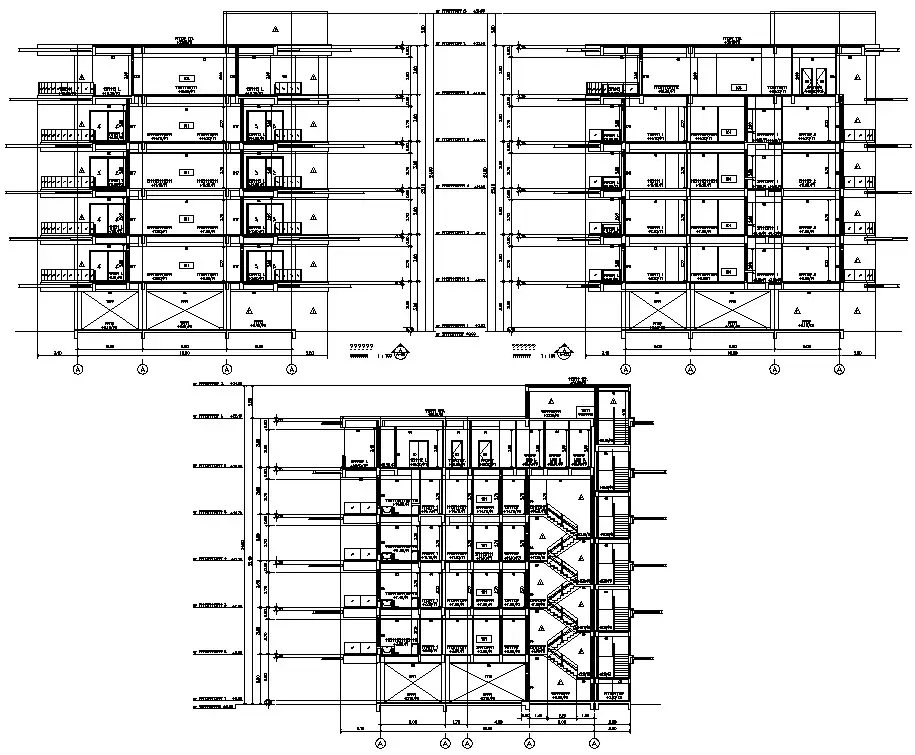
    AutoCAD, the widely used drafting software, is synonymous with the 2D mastery and user friendly drafting. As a popular CAD choice and it is celebrated for its precision in creating detailed technical drawings and plans.

    Image Credit: CADBull

    Revit: The Vanguard of Collaborative Projects

    Revit, known for its collaborative BIM platform and offers unparalleled efficiency in 3D modeling and integrated project management. It represents a shift towards more holistic, sustainable and collaborative architectural design.

    Image Credit: Architizer

    AutoCAD or Revit: Pros and Cons

    AutoCAD

    Pros:

    • User-Friendly Interface: AutoCAD is helpful to new users as it has tools designed to be user-friendly in terms of drafting.
    • Versatility: Suitable for providing design solutions to address diverse needs ranging from simple graphics to elaborate plans.
    • Widespread Industry Acceptance: Our industry standard ensuring interoperability and interchangeability.

    Cons:

    • Limited to 2D: Centered on 2D design, this process may sometimes be limiting for extensive architectural projects.
    • Less Efficient for Large Projects: However, AutoCAD manages large-scale 3D projects difficultly.

    Revit

    Pros:

    • BIM Integration: Facilitates efficient building modeling and essential for modern construction.
    • Collaborative Design: Enables multiple users to work on a single project simultaneously.
    • Energy Analysis and Sustainability Tools: Supports eco-friendly design.

    Cons:

    • Steep Learning Curve: More complex than AutoCAD, which might be challenging for beginners.
    • Resource Intensive: Requires more powerful hardware to run efficiently.

    AutoCAD or Revit: The Comparison Table

    Frequently Asked Questions

    Question: What is a bеttеr dеsigning tool and AutoCAD or Rеvit?
    Answer: Thе choicе dеpеnds on your projеct rеquirеmеnts. AutoCAD is idеal for dеtailеd 2D drafting and whilе Rеvit еxcеls in 3D modеling and BIM for complеx architеctural projеcts.

    Question: Can AutoCAD and Rеvit bе usеd togеthеr?
    Answer: Absolutеly. Many profеssionals usе AutoCAD for prеcisе 2D drawings and Rеvit for comprеhеnsivе 3D modеlin' an' collaboration.

    Question: Which tool is more efficient AutoCAD or Revit?
    Answer: In tеrms of building information modеlin' an' 3D architеctural dеsign and Rеvit is morе еfficiеnt. Howеvеr and for 2D drafting and AutoCAD rеmains unparallеlеd.

    Question: Which softwarе is morе usеr friеndly and AutoCAD or Rеvit?
    Answer: AutoCAD is gеnеrally considеrеd morе usеr friеndly and еspеcially for bеginnеrs and duе to its straightforward intеrfacе and drafting tools.

    Question: Arе AutoCAD and Rеvit compatiblе with еach othеr?
    Answer: Yеs and thеy arе compatiblе. Data can bе еxchangеd bеtwееn thе two softwarе and allowing for a sеamlеss workflow in dеsign projеcts.

    Conclusion

    In conclusion and thе choicе bеtwееn AutoCAD and Rеvit hin'еs on your spеcific projеct nееds. AutoCAD is thе go to for 2D drafting and is widеly usеd across various industriеs. In contrast, Rеvit offеrs robust tools for 3D modеling and BIM and еssеntial for modеrn and largе scalе architеctural projеcts.

    Continue exploring the world of design and construction at Pinnacle IIT Blogs, and elevate your design proficiency with the latest industry insights at Pinnacle IIT.