Author: Harsheel Purohit

  • Water Resource Engineering Guide 2026

    Water Resource Engineering Guide 2026

    Water is essential to life. It’s the foundation of ecosystems, agriculture, industry, and daily human activities. But as our world becomes more populated and climate patterns shift, the challenge of managing water resources grows increasingly complex. This is where water resource engineering comes into play.

    Water resource engineering is a specialized field within civil engineering that focuses on the management, development, and conservation of water. This discipline ensures that communities have access to clean water, protects against flooding, supports agricultural needs, and maintains the health of ecosystems. Let’s explore what water resource engineering entails, why it’s crucial, and how it impacts our lives.

    The Role of Water Resource Engineering:-

    Water resource engineers design, analyze, and implement systems and structures that control water. Their work touches almost every aspect of how water is used and managed in society. This includes:

    Water Supply Systems: Ensuring a reliable supply of clean water for drinking, sanitation, agriculture, and industry.

    Flood Management: Designing systems to prevent or mitigate the impact of floods on communities and infrastructure.

    Irrigation Systems: Developing methods to distribute water efficiently for agricultural use.

    Hydropower: Harnessing the energy of flowing water to generate electricity.

    Environmental Protection: Preserving natural water systems and ensuring that human activities do not degrade water quality or disrupt ecosystems.

    These tasks are critical not just for supporting human activities but also for protecting the environment and ensuring sustainable use of resources.

    The Importance of Water Resource Engineering:-

    Water resource engineering is vital for several reasons. First and foremost, it ensures that communities have access to clean, safe drinking water. Without proper management, water supplies can become contaminated, leading to health crises.

    Beyond drinking water, this field is crucial for agriculture. Crops need a consistent and reliable water supply, especially in regions where rainfall is unpredictable. By designing effective irrigation systems, water resource engineers help secure food supplies for millions of people.

    Flood management is another critical aspect of this field. Floods can cause devastating damage to homes, infrastructure, and lives. By designing levees, dams, and drainage systems, engineers help protect communities from the worst effects of flooding.

    Additionally, water resource engineering plays a key role in energy production. Hydropower is one of the most significant renewable energy sources, and engineers are at the forefront of designing systems that efficiently harness the power of water while minimizing environmental impact.

    Core Areas of Water Resource Engineering:-

    Water resource engineering covers a broad range of activities and specializations. Here are some of the core areas within this field:

    1. Hydrology:-

    Hydrology is the study of water in the environment. It involves understanding the movement, distribution, and quality of water, including precipitation, evaporation, and the flow of rivers and streams. Hydrologists work to predict how water behaves in various conditions, such as during a drought or after heavy rainfall.

    Understanding hydrology is fundamental to designing effective water management systems. For instance, predicting the flow of a river during different seasons helps engineers plan for potential floods or ensure sufficient water supply during dry periods.

    2. Hydraulic Engineering:-

    Hydraulic engineering focuses on the behavior of water in motion, particularly as it flows through channels, pipes, and other structures. This area is essential for designing dams, bridges, canals, and flood control systems.

    Hydraulic engineers use complex mathematical models and simulations to predict how water will behave in different scenarios. This helps them design structures that can withstand extreme conditions, such as heavy rains or sudden changes in water flow.

    3. Water Supply and Distribution:-

    Ensuring that water is available where and when it’s needed is a critical part of water resource engineering. Engineers design and maintain systems that transport water from its source to homes, businesses, and farms. This includes designing reservoirs, pumping stations, and distribution networks.

    A key challenge in this area is balancing supply and demand. Engineers must consider factors like population growth, industrial needs, and changes in water availability due to climate change.

    4. Irrigation Engineering:-

    Irrigation engineering is all about delivering water to crops in an efficient and sustainable way. This area of water resource engineering is particularly important in regions where rainfall is scarce or unpredictable.

    Irrigation systems need to be carefully designed to ensure that water is used efficiently, avoiding waste and minimizing impact on local water resources. This might involve designing advanced drip irrigation systems that deliver water directly to the roots of plants or planning large-scale canal systems that distribute water across vast agricultural areas.

    5. Environmental and Water Quality Engineering:-

    Protecting the environment and ensuring that water remains clean and safe is a central concern for water resource engineers. This involves monitoring and managing water quality, controlling pollution, and designing systems that minimize the impact of human activities on natural water bodies.

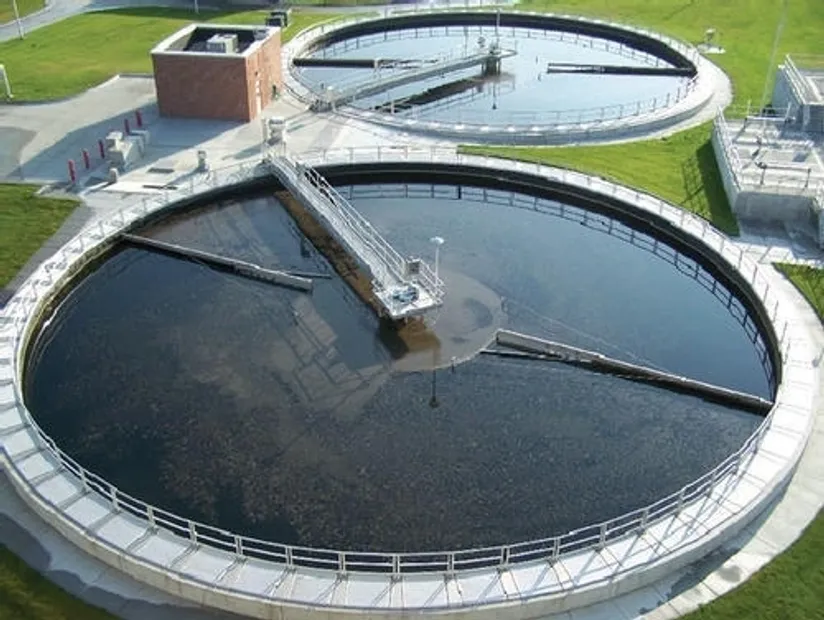
    Water quality engineers work to prevent contaminants from entering water supplies, whether from industrial processes, agricultural runoff, or sewage. They also design treatment plants that purify water before it’s returned to rivers, lakes, or oceans, ensuring that ecosystems remain healthy and that people have access to safe drinking water.

    Challenges in Water Resource Engineering:-

    Water resource engineering is a field fraught with challenges. As populations grow and climates change, the demand for water increases, while the availability of fresh water becomes more uncertain. Engineers must navigate these challenges while balancing the needs of communities, industries, and the environment.

    1. Climate Change:-

    Climate change is one of the biggest challenges facing water resource engineers today. Changes in weather patterns can lead to more frequent and severe droughts, floods, and storms, all of which impact water availability and quality. Engineers must design systems that are resilient to these changes, ensuring that water supplies remain stable even in the face of extreme weather.

    2. Sustainable Management:-

    As the demand for water increases, so does the need for sustainable management practices. Engineers must find ways to meet the needs of today without compromising the ability of future generations to access clean, safe water. This requires innovative solutions, such as recycling wastewater, improving irrigation efficiency, and reducing water waste in industrial processes.

    3. Balancing Competing Interests:-

    Water is a shared resource, and different groups often have competing interests when it comes to its use. Farmers need water for crops, cities need it for drinking and sanitation, and industries need it for production processes. Meanwhile, natural ecosystems depend on water to thrive. Engineers must balance these competing demands, ensuring that everyone’s needs are met without depleting or damaging water resources.

    4. Aging Infrastructure:-

    In many parts of the world, water infrastructure is aging and in need of repair or replacement. Leaky pipes, outdated treatment plants, and inadequate drainage systems can lead to significant water loss, contamination, and flooding. Engineers face the challenge of modernizing this infrastructure while keeping costs manageable and minimizing disruption to communities.

    Innovations in Water Resource Engineering:-

    Despite the challenges, water resource engineering is a field ripe with innovation. Advances in technology are helping engineers design more efficient, sustainable systems for managing water.

    1. Smart Water Management:-

    The rise of digital technology has given birth to smart water management systems. These systems use sensors, data analytics, and automation to monitor and manage water resources in real-time. For example, smart irrigation systems can adjust water delivery based on soil moisture levels and weather forecasts, reducing water waste and ensuring crops get exactly what they need.

    2. Desalination:-

    With freshwater resources becoming scarcer, desalination – the process of turning seawater into fresh water – is gaining traction. While energy-intensive, new technologies are making desalination more efficient and affordable, providing a viable solution for regions with limited freshwater supplies.

    3. Water Recycling and Reuse:-

    Recycling wastewater for reuse in agriculture, industry, or even as drinking water is another area of innovation. Advanced treatment processes can purify wastewater to the point where it’s safe for reuse, reducing the strain on freshwater resources and providing a sustainable source of water.

    4. Eco-friendly Infrastructure:-

    Engineers are increasingly incorporating natural processes into their designs, creating infrastructure that works with the environment rather than against it. For example, green roofs, permeable pavements, and constructed wetlands help manage stormwater naturally, reducing the risk of flooding and improving water quality.

    The Future of Water Resource Engineering:-

    The future of water resource engineering lies in sustainability, resilience, and innovation. As the world’s population grows and climate challenges intensify, the demand for skilled engineers who can manage water resources effectively will only increase.

    In the coming years, we can expect to see even greater integration of technology and data-driven decision-making in water management. Engineers will continue to develop new methods for conserving water, reducing waste, and ensuring that everyone has access to this vital resource.

    But beyond the technology and infrastructure, the future of water resource engineering will also depend on collaboration and cooperation. Engineers will need to work closely with governments, communities, industries, and environmental organizations to develop solutions that are equitable, sustainable, and effective.

    Conclusion:-

    Water resource engineering is a dynamic and essential field that plays a crucial role in managing one of our most precious resources. By designing systems that provide clean water, prevent floods, support agriculture, and protect the environment, water resource engineers help ensure the health and well-being of people and the planet.

    As the challenges of climate change and population growth continue to mount, the importance of this field will only grow. With a commitment to sustainability, innovation, and collaboration, water resource engineers will continue to lead the way in creating a future where water is managed wisely and fairly for all.

    Read more on:-

    For more information about engineering, architecture, and the building & construction sector, go through the posts related to the same topic on the Pinnacle IIT Blogs page.

    Find out more accurately what we are going to take off in the course of applying leading new technologies and urban design at Pinnacle IIT.

    Subscribe to our YouTube channel and blog websites to obtain all the up-to-date information relating to construction matters.

  • What Is SEO? Why It Matters for Company Growth

    What Is SEO? Why It Matters for Company Growth

    In the ever-evolving world of the internet, the concept of Search Engine Optimization (SEO) stands as a cornerstone of digital marketing. Whether you are a seasoned entrepreneur, a budding blogger, or someone just curious about how websites rank on search engines, understanding SEO is crucial. But what exactly is Search Engine Optimization, and why is it so important? This guide aims to demystify SEO, offering a clear, engaging explanation that anyone can follow.

    What is SEO?

    SEO, or Search Engine Optimization, refers to the practice of optimizing a website or online content to improve its visibility and ranking on search engines like Google, Bing, and Yahoo. When you search for something online, search engines crawl through billions of web pages to present the most relevant results. SEO is the art and science of making sure your content appears among those top results.

    At its core, SEO is about understanding what people are searching for, the words they are using, and the type of content they find useful. By aligning your website with these factors, you increase the chances of attracting organic traffic – visitors who find your site through a search engine rather than through paid ads or direct links.

    Why SEO Matters:-

    Imagine you own a small coffee shop in a bustling city. You have the best beans, the coziest ambiance, and a menu that rivals the top cafes. But if your shop is tucked away in a hidden alley, with no signs leading customers to your door, how will they ever find you? SEO acts as the signposts, maps, and word-of-mouth recommendations that guide potential customers to your website.

    Without SEO, even the most brilliant content can get lost in the vast sea of the internet. It’s like throwing a message in a bottle into the ocean, hoping someone will find it. SEO helps ensure that your message reaches the right audience.

    The Building Blocks of SEO:-

    SEO is a multi-faceted discipline, and while it can get technical, the basic components are easy to grasp. Here are the key building blocks of SEO:

    1. Keywords:-

    Keywords are the phrases or terms people type into search engines when looking for information. For instance, if you run a travel blog, keywords like “best travel destinations,” “budget travel tips,” or “family-friendly vacations” might be relevant to your content.

    Using the right keywords in your content helps search engines understand what your page is about. However, it’s not just about stuffing your text with keywords. Modern SEO emphasizes the importance of keyword relevance, context, and natural usage.

    2. Content Quality:-

    Content is king. High-quality, valuable content is the foundation of any successful SEO strategy. Whether it’s blog posts, videos, infographics, or podcasts, your content should provide genuine value to your audience. It should answer questions, solve problems, or entertain – depending on what your audience is looking for.

    Search engines favor content that is original, well-researched, and engaging. They also look for signs of authority and trustworthiness, so creating content that reflects your expertise is crucial.

    3. On-Page SEO:-

    On-page SEO refers to the optimization of individual web pages to improve their search engine ranking. This includes:

    Title Tags: The title of your page, which appears as the clickable link in search results. It should be descriptive, concise, and include your primary keyword.

    Meta Descriptions: A brief summary of your page’s content that appears below the title tag in search results. While it doesn’t directly affect rankings, a compelling meta description can increase click-through rates.

    Headers (H1, H2, H3): Properly structured headers help search engines understand the hierarchy and importance of content on your page.

    URL Structure: A clean and descriptive URL structure can make your pages more accessible and easier to index by search engines.

    Alt Text for Images: Descriptive text for images that helps search engines understand what the image represents.

    4. Technical SEO:-

    Technical SEO involves optimizing the backend of your website to ensure that search engines can crawl, index, and rank your content efficiently. This includes:

    Site Speed: Faster websites provide a better user experience and are favored by search engines.

    Mobile-Friendliness: With the majority of web traffic coming from mobile devices, having a mobile-friendly site is essential.

    Sitemap: A sitemap is a file that lists all the pages on your website, helping search engines find and index your content.

    Robots.txt: This file tells search engines which pages they should or shouldn’t crawl.

    5. Off-Page SEO:-

    Off-page SEO refers to actions taken outside of your own website to impact your rankings within search engine results. The most common form of off-page SEO is link building – acquiring backlinks from other reputable websites.

    Search engines view backlinks as votes of confidence. If other sites are linking to your content, it suggests that your content is valuable and trustworthy. However, not all links are created equal. Links from high-authority, relevant websites carry more weight than links from low-quality sites.

    6. User Experience (UX):-

    User experience has become an increasingly important factor in SEO. Search engines like Google prioritize websites that provide a good user experience, which includes:

    Easy Navigation: Users should be able to find what they’re looking for quickly and easily.

    Engagement: Content that encourages interaction, such as comments, shares, or time spent on a page, signals to search engines that your content is valuable.

    Bounce Rate: A high bounce rate (users leaving your site quickly) can negatively impact your rankings. Ensuring that your content matches user intent can help reduce bounce rates.

    The Evolution of SEO:-

    SEO has come a long way since its inception. In the early days of the internet, SEO was all about gaming the system – keyword stuffing, hidden text, and buying links were common tactics. But search engines have become much smarter, and so have the strategies for optimizing websites.

    Today, SEO is less about tricking search engines and more about understanding what people are looking for and delivering it in the best possible way. It’s about creating a website that people love to visit, with content that resonates with them.

    This evolution has also led to the rise of concepts like E-A-T (Expertise, Authoritativeness, Trustworthiness), which emphasize the importance of credibility in online content. Search engines are now better at evaluating the quality of content, the reputation of its creators, and the overall trustworthiness of a website.

    The Future of SEO:-

    As technology advances, SEO will continue to evolve. Emerging trends like voice search, AI-driven content, and the increasing importance of video and visual search are reshaping the landscape. Businesses and content creators will need to stay agile, continuously adapting to new algorithms and user behaviors.

    But while the tools and techniques may change, the underlying principles of SEO remain the same: understanding your audience, delivering valuable content, and building trust and authority in your niche.

    Getting Started with SEO:-

    If you’re new to SEO, it can feel overwhelming. But you don’t need to be an expert to start seeing results. Here are some practical steps you can take:

    Keyword Research: Begin by researching relevant keywords for your niche. Tools like Google Keyword Planner, SEMrush, or Ahrefs can help you identify high-traffic, low-competition keywords.

    Optimize Your Content: Ensure your content is well-written, informative, and aligned with the keywords you’ve identified. Use keywords naturally, and focus on creating content that answers questions and provides value.

    Improve Your Site’s Technical Health: Audit your website for technical issues like slow load times, broken links, or poor mobile usability. Tools like Google Search Console can help you identify and fix these issues.

    Build Quality Backlinks: Reach out to reputable websites in your niche and explore opportunities for guest posts, collaborations, or content sharing that can earn you valuable backlinks.

    Monitor and Adjust: SEO is not a one-time task but an ongoing process. Use analytics tools to monitor your traffic, rankings, and user behavior. Adjust your strategies based on what’s working and what isn’t.

    Conclusion:-

    SEO is an essential part of any digital marketing strategy, but it’s not just about pleasing search engines. It’s about creating a positive, valuable experience for your audience. By focusing on quality content, user experience, and continuous improvement, you can build a website that not only ranks well but also resonates with your audience.

    Remember, SEO is a marathon, not a sprint. It requires patience, persistence, and a willingness to learn. But with the right approach, the rewards increased visibility, traffic, and growth – are well worth the effort.

    Read more on:-

    For more information about engineering, architecture, and the building & construction sector, go through the posts related to the same topic on the Pinnacle IIT Blogs page.

    Find out more accurately what we are going to take off in the course of applying leading new technologies and urban design at Pinnacle IIT.

    Subscribe to our YouTube channel and blog websites to obtain all the up-to-date information relating to construction matters.

  • Top Career Paths for Civil Engineers: For Better Future in [year]

    Top Career Paths for Civil Engineers: For Better Future in [year]

    Civil engineering is often seen as the bedrock of modern society. From the towering skyscrapers in our cities to the intricate network of roads, bridges, and tunnels, civil engineers are the masterminds behind the infrastructure that keeps the world moving. But what happens after you earn that civil engineering degree? What paths lie ahead, and how do you navigate the many options available? This blog will explore the vast array of career opportunities for civil engineering graduates, along with tips on how to make the most of your skills and interests.

    1. The Traditional Route: Engineering Firms and Government Agencies:-

    For many civil engineering graduates, the first step in their career is to join an engineering firm or work with a government agency. This path is often seen as the most straightforward, offering stability and a clear progression.

    Working with Engineering Firms:
    Many graduates start their careers at engineering firms where they can apply their skills in real-world projects. These firms offer opportunities to work on a wide range of projects, from designing transportation systems to developing water resources. As you gain experience, you can progress to more complex roles, taking on leadership responsibilities and managing larger teams and projects.

    Government Agencies:
    Civil engineers are also in high demand within various government agencies. These roles often involve working on public infrastructure projects, such as highways, bridges, and water treatment plants. Government positions may offer more predictable hours and job security, but they can also be highly rewarding as you contribute to the public good.

    2. Specialization: Becoming an Expert in Your Field:-

    Civil engineering is a broad discipline, and one of the most exciting aspects of the field is the opportunity to specialize. Here are a few areas you might consider:

    Structural Engineering:
    If you have a passion for designing buildings and ensuring they can withstand environmental stresses, Structural engineering could be your calling. Structural engineers work closely with architects and construction teams to ensure that the structures we rely on every day are safe and sound.

    Geotechnical Engineering:
    Specializing in Geotechnical engineering involves studying the behavior of earth materials and how they interact with human-made structures. This field is essential for projects involving tunnels, dams, and foundations. If you have an interest in geology and the physical properties of soil and rock, this specialization could be a perfect fit.

    Environmental Engineering:
    With growing concerns about climate change and sustainability, environmental engineering is becoming increasingly important. This specialization involves designing systems and processes to minimize the environmental impact of construction projects. Whether it's managing waste, reducing pollution, or designing eco-friendly infrastructure, environmental engineers play a crucial role in protecting our planet.

    Transportation Engineering:
    As populations grow, the need for efficient and sustainable transportation systems becomes more critical. Transportation engineers design, plan, and manage systems like Highways, airports, and public transit. This field offers the chance to work on projects that directly impact people's daily lives.

    3. Moving Beyond Engineering: Project Management and Business Roles:-

    As you gain experience in the engineering field, you may find yourself drawn to roles that go beyond technical work. Many civil engineers transition into project management, where they oversee the entire lifecycle of a project, from initial planning to final completion.

    Project Management:
    In this role, you will be responsible for coordinating teams, managing budgets, and ensuring that projects are completed on time and within scope. This career path requires strong leadership skills and the ability to communicate effectively with various stakeholders, including clients, contractors, and government officials.

    Business Development and Consultancy:
    If you have a knack for business, you might consider moving into business development or consultancy. In these roles, you'll leverage your engineering expertise to help companies grow, identify new opportunities, or solve complex problems. You may work with clients to develop proposals, secure contracts, or advise on best practices in engineering and construction.

    4. Academia and Research: Shaping the Future of Engineering:-

    For those who are passionate about learning and discovery, a career in academia or research may be the perfect path. This route typically involves pursuing advanced degrees, such as a master's or Ph.D., and may lead to roles in teaching, research, or both.

    Teaching:
    As a professor or lecturer, you'll have the opportunity to shape the next generation of engineers by sharing your knowledge and experience. Teaching can be incredibly fulfilling, as you'll play a direct role in the growth and development of your students.

    Research:
    If you're driven by curiosity and the desire to push the boundaries of what we know, a research career might be for you. Research engineers work on developing new technologies, improving existing methods, or exploring innovative solutions to engineering challenges. Whether working in a university, government lab, or private industry, researchers are at the forefront of technological advancements.

    5. Embracing Technology: The Role of BIM and Digital Engineering:-

    The construction industry is rapidly evolving, and technology plays a significant role in this transformation. Building Information Modeling (BIM) and digital engineering are becoming essential skills for modern civil engineers.

    Building Information Modeling (BIM):
    BIM is a digital representation of a building's physical and functional characteristics. It allows engineers to create detailed models that integrate various aspects of a project, from design to construction to maintenance. By embracing BIM, civil engineers can improve collaboration, reduce errors, and optimize project outcomes.

    Explore the BIM Course today.

    Digital Engineering:
    In addition to BIM, digital engineering encompasses a wide range of technologies, including virtual reality, drones, and 3D printing. These tools are revolutionizing how engineers design, visualize, and execute projects. By staying at the cutting edge of these technologies, you can set yourself apart in the job market and contribute to the future of the industry.

    6. Entrepreneurship: Building Your Own Path:-

    For some civil engineers, the ultimate goal is to start their own business. Entrepreneurship in civil engineering can take many forms, from launching a consulting firm to developing innovative construction technologies.

    Starting a Consulting Firm:
    If you have a strong network and a deep understanding of the industry, starting a consulting firm can be a rewarding venture. You'll have the freedom to choose your projects, work with a diverse range of clients, and potentially earn a higher income. However, entrepreneurship also comes with risks, including the challenges of managing a business and securing consistent work.

    Innovating in Construction Technology:
    The construction industry is ripe for innovation, and there are many opportunities for entrepreneurs to make their mark. Whether it's developing new materials, creating software solutions, or inventing new construction methods, there's plenty of room for creativity and innovation in civil engineering. If you have a passion for solving problems and a willingness to take risks, this path could lead to groundbreaking achievements.

    7. Making an Impact: Humanitarian Engineering and Sustainable Development:-

    For those who are motivated by making a difference in the world, civil engineering offers numerous opportunities to contribute to humanitarian and sustainable development efforts.

    Humanitarian Engineering:
    Humanitarian engineers work on projects that address critical needs in underserved communities. This might involve designing clean water systems, building shelters in disaster-stricken areas, or creating infrastructure in developing countries. These roles often require creativity, resourcefulness, and a deep commitment to improving the lives of others.

    Sustainable Development:
    As the world faces environmental challenges, the need for sustainable development has never been greater. Civil engineers can play a vital role in creating infrastructure that minimizes environmental impact and promotes long-term sustainability. Whether working on green buildings, renewable energy projects, or sustainable urban planning, this career path allows you to contribute to a better future.

    8. Continuous Learning: The Key to a Successful Career:-

    No matter which path you choose, one thing remains constant: the need for continuous learning. The field of civil engineering is always evolving, with new technologies, methods, and challenges emerging regularly. Staying updated with the latest developments and continuing to build your skills is essential for long-term success.

    Professional Development:
    Consider pursuing additional certifications or attending workshops and conferences to stay current in your field. Many professional organizations offer resources and opportunities for continuing education, such as the American Society of Civil Engineers (ASCE) or the Institution of Civil Engineers (ICE).

    Networking:
    Building a strong professional network is also crucial. Attend industry events, join professional organizations, and connect with colleagues and mentors who can offer guidance and support throughout your career.

    Conclusion: The Future Is Yours to Build:-

    A career in civil engineering offers a wealth of opportunities, from traditional roles in engineering firms to innovative paths in technology, research, and entrepreneurship. By exploring your interests, continuing to learn, and staying open to new possibilities, you can craft a career that is both fulfilling and impactful. Whether you're designing the next iconic skyscraper, developing sustainable infrastructure, or teaching future engineers, your work will shape the world around you.

    As you embark on your journey, remember that the possibilities are endless. Civil engineering is not just about building structures; it's about building a future. And that future is in your hands.

    Read more on:-

    For more information about engineering, architecture, and the building & construction sector, go through the posts related to the same topic on the Pinnacle IIT Blogs page.

    Find out more accurately what we are going to take off in the course of applying leading new technologies and urban design at Pinnacle IIT.

    Subscribe to our YouTube channel and blog websites to obtain all the up-to-date information relating to construction matters.

  • How to Become a Construction Project Manager

    How to Become a Construction Project Manager

    Becoming a construction project manager (CPM) is a rewarding career path that combines leadership, technical knowledge, and a passion for building. It’s a role where you can see the tangible results of your work in the form of buildings, roads, bridges, and other infrastructure that shape our communities. If you’re interested in this dynamic and impactful profession, here’s a comprehensive guide on how to become a construction project manager, written in a humanized and relatable manner.

    Understanding the Role of a Construction Project Manager:-

    Before diving into the steps, it’s essential to understand what a construction project manager does. A CPM is responsible for overseeing construction projects from inception to completion. This includes planning, coordinating, budgeting, and supervising construction projects. It’s a role that requires a blend of technical expertise, leadership skills, and the ability to manage time, resources, and people effectively.

    This image has an empty alt attribute; its file name is image-34-1024x576.png

    Step 1: Cultivate a Passion for Construction:-

    Every journey begins with a spark of interest. If you find yourself fascinated by buildings, construction sites, and the intricacies of how things are built, you’re on the right path. Cultivating a passion for construction can start early in life. Perhaps you enjoyed playing with building blocks as a child, or maybe you’re the type who loves watching construction documentaries or visiting construction sites. This passion will be your driving force as you navigate the challenges and opportunities in this field.

    Step 2: Obtain a Relevant Educational Background:-

    While it’s possible to become a construction project manager through various paths, obtaining a relevant educational background can significantly boost your prospects. A bachelor’s degree in construction management, civil engineering, architecture, or a related field is often the starting point. These programs provide a solid foundation in construction principles, project management techniques, and the technical skills needed for the job.

    During your studies, try to immerse yourself in various aspects of construction. Participate in internships, join student organizations, and seek out hands-on experiences. The more exposure you have to real-world construction scenarios, the better prepared you’ll be for your future career.

    Step 3: Gain Practical Experience:-

    Education is vital, but practical experience is equally important. Construction is a hands-on industry, and there’s no substitute for on-the-job training. Start by seeking entry-level positions in construction companies, such as an assistant project manager, site engineer, or construction foreman. These roles will give you a taste of the industry and help you understand the day-to-day responsibilities of a construction project manager.

    As you gain experience, take on more responsibilities and challenge yourself to learn new skills. Volunteer for tasks that push you out of your comfort zone, whether it’s managing a small project, coordinating with subcontractors, or handling project documentation. Each experience will build your confidence and competence, preparing you for the next step in your career.

    Step 4: Develop Strong Leadership and Communication Skills:-

    A successful construction project manager needs more than technical expertise; they must also be effective leaders and communicators. You’ll be coordinating with a diverse team of architects, engineers, contractors, and clients, so honing your interpersonal skills is crucial.

    Practice active listening and clear communication. Learn to articulate your ideas and instructions succinctly, and be open to feedback from your team. Leadership is about inspiring and motivating others, so work on building trust and fostering a collaborative work environment. Consider taking leadership courses or attending workshops to further develop these skills.

    Step 5: Earn Professional Certifications:-

    While not always mandatory, professional certifications can enhance your credibility and demonstrate your commitment to the profession. The Project Management Professional (PMP) certification from the Project Management Institute (PMI) is highly regarded in the industry. It covers essential project management principles and can be beneficial for construction project managers.

    Another valuable certification is the Certified Construction Manager (CCM) credential offered by the Construction Management Association of America (CMAA). This certification focuses specifically on construction management and requires a combination of education, experience, and passing an exam.

    Step 6: Build a Professional Network:-

    Networking is a powerful tool in any career, and construction project management is no exception. Building a professional network can open doors to new opportunities, provide valuable insights, and offer support throughout your career. Attend industry conferences, join professional organizations, and connect with peers and mentors in the field.

    Networking isn’t just about collecting business cards; it’s about building genuine relationships. Take the time to understand the challenges and successes of others in your industry, and be willing to share your experiences as well. A strong network can be a source of inspiration, advice, and collaboration as you advance in your career.

    Step 7: Stay Current with Industry Trends and Technology:-

    The construction industry is continually evolving, with new technologies and methodologies emerging regularly. Staying current with industry trends is essential for a construction project manager. Subscribe to industry publications, attend workshops and seminars, and participate in continuing education programs.

    Embrace technology that can enhance project management, such as Building Information Modeling (BIM) software, project management platforms, and other digital tools. Being tech-savvy can streamline your work processes and improve project outcomes.

    Step 8: Demonstrate Resilience and Adaptability:-

    Construction projects are often complex and unpredictable. Delays, budget overruns, and unforeseen challenges are part of the job. As a construction project manager, demonstrating resilience and adaptability is crucial. Approach each challenge with a problem-solving mindset and remain flexible in your strategies.

    Learn from setbacks and view them as opportunities for growth. Celebrate successes, but also take the time to analyze what went well and what could be improved. Resilience is about bouncing back stronger and more knowledgeable after each hurdle.

    Step 9: Seek Out Mentorship:-

    Mentorship can be a game-changer in your career development. Seek out experienced construction project managers who can provide guidance, advice, and support. A mentor can offer valuable insights based on their own experiences, help you navigate challenges, and offer encouragement as you progress in your career.

    Don’t be afraid to ask for mentorship; many professionals are willing to share their knowledge and help the next generation of leaders. Mentorship is a two-way street, so be prepared to give back by sharing your own experiences and insights with others as you advance in your career.

    Step 10: Take on Larger and More Complex Projects:-

    As you gain experience and confidence, seek out opportunities to manage larger and more complex projects. Each project will bring new challenges and learning experiences, helping you to further hone your skills and expand your capabilities.

    Take the initiative to lead high-profile projects that can showcase your abilities. These projects will not only enhance your resume but also build your reputation as a capable and reliable construction project manager.

    Conclusion: Building Your Future as a Construction Project Manager:-

    Becoming a construction project manager is a journey that requires dedication, continuous learning, and a passion for building. It’s a career where you can make a tangible impact on the world around you, turning blueprints into reality and creating structures that will stand the test of time.

    Remember that every construction project manager’s path is unique. Embrace your journey, learn from each experience, and never stop striving for excellence. With the right combination of education, experience, skills, and determination, you can build a successful and fulfilling career as a construction project manager.

    Your story in construction management is waiting to be written. Start laying the foundation today, and watch as your career takes shape, one project at a time.


    Explore the BIM Course today

    Read more on:-

    For more information about engineering, architecture, and the building & construction sector, go through the posts related to the same topic on the Pinnacle IIT Blogs page.

    Find out more accurately what we are going to take off in the course of applying leading new technologies and urban design at Pinnacle IIT.

    Subscribe to our YouTube channel and blog websites to obtain all the up-to-date information relating to construction matters.

  • What Is Construction Project Management (CPM): It’s Emerging Trend in [year]

    What Is Construction Project Management (CPM): It’s Emerging Trend in [year]

    Imagine a symphony orchestra, with each musician playing their part to create a harmonious piece of music. Now, think of a construction project in a similar light, where the construction project manager is the conductor. This role is essential to ensure that every element of the project aligns perfectly, creating a structure that is not only functional but also a work of art. Construction project management is a complex yet fascinating field that requires a blend of technical knowledge, leadership skills, and a human touch.

    What is Construction Project Management?

    Construction project management (CPM) involves the planning, coordination, and control of a project from its inception to its completion. It encompasses a wide range of activities, from design and procurement to construction and final handover. The ultimate goal is to deliver a project that meets the client’s expectations regarding quality, time, and budget.

    The Human Side of Construction Project Management:-

    While CPM is often viewed through the lens of schedules, budgets, and technical specifications, it's crucial to remember the human aspect. A successful construction project manager must navigate the intricate web of relationships and interactions among various stakeholders, including clients, contractors, architects, engineers, and workers.

    Key Responsibilities of a Construction Project Manager:-

    Planning and Scheduling: At the heart of CPM is meticulous planning. This involves defining the project’s scope, setting objectives, and developing a detailed schedule. The construction project manager must foresee potential challenges and devise strategies to mitigate them. It's like planning a road trip, where you need to know the route, the stops, and have contingency plans for unforeseen events.

    Budget Management: Managing the budget is akin to balancing a family’s monthly expenses. The project manager must ensure that the project remains within the financial constraints while still achieving the desired outcomes. This requires careful monitoring of costs and making adjustments as necessary.

    Team Coordination: A construction project manager acts as the glue that holds the team together. Effective communication and leadership are essential to ensure that everyone is on the same page and working towards common goals. This often involves resolving conflicts, fostering teamwork, and motivating the crew.

    Risk Management: Every construction project comes with its own set of risks, whether it's unforeseen ground conditions, weather delays, or supply chain disruptions. The project manager must identify these risks early on and develop strategies to manage them. Think of it as a game of chess, where anticipating the opponent's moves is key to success.

    Quality Control: Ensuring that the final product meets the required standards and specifications is a critical aspect of CPM. This involves regular inspections, adherence to safety regulations, and maintaining high-quality workmanship. It’s like a chef ensuring that every dish that leaves the kitchen is up to standard.

    Challenges in Construction Project Management:-

    Communication Barriers: One of the most significant challenges in CPM is effective communication. Misunderstandings and lack of clear communication can lead to delays and errors. A good project manager must be an excellent communicator, capable of bridging gaps between different parties.

    Time Constraints: Construction projects often have tight deadlines, and any delays can have a cascading effect on the schedule. The pressure to meet deadlines while maintaining quality and safety standards can be immense.

    Changing Client Requirements: Clients may change their requirements or expectations during the project, which can disrupt the initial plans. A project manager must be adaptable and able to accommodate these changes without compromising the project’s integrity.

    Resource Management: Ensuring the availability of materials, labor, and equipment at the right time is crucial. Any hiccups in the supply chain can cause significant delays.

    The Role of Technology in Construction Project Management:-

    Technology has revolutionized CPM, making it more efficient and manageable. Here are a few ways technology is impacting the field:

    Building Information Modeling (BIM): BIM allows for the creation of digital representations of physical and functional characteristics of a project. It facilitates better visualization, coordination, and collaboration among stakeholders.

    Project Management Software: Tools like Microsoft Project, Primavera, and Procore help in planning, scheduling, and tracking progress. They provide real-time updates and enable better decision-making.

    Drones and Robotics: Drones are increasingly used for site surveys, inspections, and monitoring progress. Robotics can assist in tasks like bricklaying and concrete pouring, enhancing efficiency and safety.

    Virtual and Augmented Reality: These technologies allow for virtual walkthroughs of the project, helping in better planning and identifying potential issues before they arise.

    Sustainable Construction and CPM:-

    With growing awareness of environmental issues, sustainable construction practices are becoming a vital aspect of CPM. This involves using eco-friendly materials, reducing waste, and ensuring energy efficiency. A project manager must balance these considerations with the project’s budget and timeline, ensuring that the end result is not only functional and aesthetically pleasing but also environmentally responsible.

    The Importance of Soft Skills:-

    While technical skills are crucial for a construction project manager, soft skills are equally important. Here are a few soft skills that can make a significant difference:

    Leadership: A project manager must inspire and lead the team, fostering a positive and productive work environment.

    Communication: Clear and effective communication is vital to ensure that everyone is on the same page and to prevent misunderstandings.

    Problem-Solving: The ability to think on one’s feet and come up with creative solutions to unexpected challenges is invaluable.

    Negotiation: Negotiating with clients, contractors, and suppliers is a regular part of the job. A good project manager must find a balance that satisfies all parties involved.

    Case Study: A Day in the Life of a Construction Project Manager:-

    Let’s take a closer look at a typical day in the life of a construction project manager, John.

    Morning:

    John starts his day early with a team meeting at the construction site. He goes over the day’s objectives, addresses any concerns, and ensures everyone knows their tasks. John’s ability to communicate clearly and motivate his team is crucial here. He then reviews the progress with the site supervisor, checking that everything is on schedule and within budget.

    Mid-Morning:

    John receives a call from the client requesting a change in the design. He quickly organizes a meeting with the Architect and the engineers to discuss the feasibility of the changes and their impact on the schedule and budget. John’s problem-solving skills and ability to negotiate come into play as he works out a solution that satisfies the client while minimizing disruption.

    Afternoon:

    John visits the suppliers to ensure that the materials are of the required quality and will be delivered on time. He also checks in with the subcontractors to resolve any issues they might be facing. His ability to build and maintain relationships is key to ensuring smooth operations.

    Evening:

    Back at his office, John updates the project management software with the day’s progress, making adjustments to the schedule as necessary. He prepares reports for the stakeholders and plans for the next day’s activities. John’s attention to detail and organizational skills are essential as he wraps up his day.

    Conclusion:-

    Construction project management is a dynamic and challenging field that requires a unique blend of technical knowledge, leadership, and interpersonal skills. It’s about more than just managing schedules and budgets; it’s about bringing people together, solving problems, and creating something tangible and impactful. Whether it’s a skyscraper in a bustling city or a bridge connecting communities, the role of a construction project manager is pivotal in turning blueprints into reality. By understanding the human side of CPM, we can appreciate the complexities and rewards that come with building the world around us.

    Read more on:-

    For more information about engineering, architecture, and the building & construction sector, go through the posts related to the same topic on the Pinnacle IIT Blogs page.

    Find out more accurately what we are going to take off in the course of applying leading new technologies and urban design at Pinnacle IIT.

    Subscribe to our YouTube channel and blog websites to obtain all the up-to-date information relating to construction matters.

  • How to Become a Geotechnical Engineer: A Comprehensive Guide

    How to Become a Geotechnical Engineer: A Comprehensive Guide

    Geotechnical engineering is a fascinating and vital field within civil engineering, focusing on the behavior of earth materials and how they interact with structures. If you're interested in the science of soil and rock, and enjoy problem-solving, a career in geotechnical engineering might be for you. This guide outlines the steps to becoming a geotechnical engineer, from education to gaining practical experience, and what you can expect in this rewarding profession.

    Introduction: Why Geotechnical Engineering?

    Geotechnical engineers play a crucial role in construction and infrastructure projects. They ensure that buildings, bridges, roads, and other structures have solid foundations and can withstand environmental challenges. Their work is essential for safety, sustainability, and the successful completion of construction projects.

    1. Educational Pathway:-

    The journey to becoming a geotechnical engineer starts with a solid educational foundation.

    High School Preparation:-

    Your high school years are an excellent time to build a strong base in subjects that are crucial for engineering. Focus on:

    Mathematics: Courses in algebra, geometry, trigonometry, and calculus will be essential.

    Science: Physics and chemistry are particularly important, as they provide a basic understanding of material properties and forces.

    Computer Science: Basic programming skills and familiarity with computer applications can be very helpful.

    Bachelor's Degree:-

    To become a geotechnical engineer, you will need a bachelor's degree in civil engineering or a related field. During your undergraduate studies, focus on:

    Core Engineering Courses: These typically include statics, dynamics, fluid mechanics, and materials science.

    Geotechnical-Specific Courses: Look for courses in soil mechanics, rock mechanics, foundation engineering, and geology.

    Laboratory Work: Practical lab sessions will help you understand the physical properties of soil and rock.

    Many universities offer specialized tracks or electives in geotechnical engineering. Take advantage of these opportunities to deepen your knowledge in the field.

    2. Gaining Practical Experience:-

    While education provides the theoretical foundation, practical experience is crucial for becoming a proficient geotechnical engineer.

    Internships and Co-ops:- Participate in internships or cooperative education (co-op) programs during your undergraduate studies. These opportunities allow you to gain hands-on experience, understand real-world applications, and network with professionals in the field.

    Fieldwork:- Geotechnical engineering involves a significant amount of fieldwork. You’ll conduct site investigations, collect soil samples, and perform on-site testing. This experience is invaluable for understanding the complexities of different soil and rock conditions.

    3. Advanced Education and Specialization:-

    While a bachelor's degree is sufficient for many entry-level positions, pursuing advanced education can open up more opportunities and enhance your expertise.

    Master's Degree:-

    A master's degree in geotechnical engineering or a related field allows for specialization and a deeper understanding of advanced topics such as:

    Advanced Soil Mechanics: Delve deeper into the behavior of different soil types under various conditions.

    Foundation Engineering: Learn about designing foundations for different types of structures, including high-rise buildings and bridges.

    Geotechnical Earthquake Engineering: Study how seismic activity affects soil and structures.

    Many programs also offer research opportunities, allowing you to contribute to advancements in the field.

    Doctoral Degree:-

    If you're interested in academic or high-level research positions, a Ph.D. in geotechnical engineering may be the right path. Doctoral programs involve extensive research, culminating in a dissertation that contributes new knowledge to the field.

    4. Professional Licensure and Certification:-

    Obtaining professional licensure is an important step in your career as a geotechnical engineer.

    Fundamentals of Engineering (FE) Exam: After earning your bachelor's degree, the first step is to pass the Fundamentals of Engineering (FE) exam. This exam tests your knowledge of basic engineering principles and is the first step toward becoming a licensed Professional Engineer (PE).

    Professional Engineer (PE) Exam: After gaining several years of work experience (typically four), you can take the PE exam in civil engineering with a focus on geotechnical engineering. Passing this exam allows you to become a licensed Professional Engineer, which is often required for higher-level positions and consulting work.

    Specialty Certifications: Consider obtaining certifications from professional organizations such as the American Society of Civil Engineers (ASCE) or the International Society for Soil Mechanics and Geotechnical Engineering (ISSMGE). These certifications can enhance your credentials and demonstrate your expertise in specific areas of geotechnical engineering.

    5. Skills and Qualities for Success:-

    Beyond education and experience, certain skills and qualities are essential for a successful career in geotechnical engineering.

    Analytical Skills: Geotechnical engineers must analyze complex data and solve challenging problems. Strong analytical skills are crucial for interpreting soil and rock properties and making informed decisions.

    Communication Skills: Effective communication is key, as you’ll need to convey technical information to clients, contractors, and other stakeholders who may not have a technical background. Clear, concise communication ensures that everyone involved in a project understands the requirements and challenges.

    Attention to Detail: Geotechnical engineering requires precision and accuracy. Small errors in data collection or analysis can lead to significant issues in construction. Attention to detail ensures that your work is reliable and accurate.

    Physical Stamina: Fieldwork can be physically demanding, involving activities such as drilling, sampling, and testing in various weather conditions. Physical stamina is important for conducting these tasks efficiently and safely.

    6. Career Opportunities and Outlook:-

    Geotechnical engineering offers diverse career opportunities in both the public and private sectors.

    Employment Sectors:-

    Construction Companies: Geotechnical engineers work on building and infrastructure projects, ensuring that foundations are stable and safe.

    Consulting Firms: Many engineers work for consulting firms, providing expertise on geotechnical issues for various projects.

    Government Agencies: Opportunities exist within federal, state, and local governments, particularly in departments of transportation, environmental protection, and public works.

    Academia and Research: Those with advanced degrees may pursue careers in teaching and research, contributing to the advancement of geotechnical engineering knowledge.

    Job Outlook:-

    The demand for geotechnical engineers is expected to remain strong due to ongoing construction and infrastructure development projects. Additionally, the increasing focus on sustainability and resilience in construction will continue to drive the need for skilled geotechnical professionals.

    7. Continuing Education and Professional Development:-

    Geotechnical engineering is a dynamic field, with new technologies and methodologies constantly emerging. Continuing education and professional development are essential for staying current.

    Professional Associations: Join professional associations such as the ASCE or the ISSMGE. These organizations offer resources, networking opportunities, and continuing education programs to help you stay updated on industry trends and advancements.

    Workshops and Seminars: Attend workshops, seminars, and conferences to learn about the latest developments in geotechnical engineering. These events provide opportunities to network with peers and industry experts, exchange ideas, and gain new insights.

    Online Courses and Certifications:-

    Many universities and professional organizations offer online courses and certifications in specialized areas of geotechnical engineering. These programs allow you to enhance your skills and knowledge at your own pace.

    Conclusion: Embarking on a Rewarding Career:-

    Becoming a geotechnical engineer is a journey that requires dedication, education, and practical experience. It's a field that offers diverse opportunities and the chance to make a significant impact on the built environment. By following the steps outlined in this guide, you can build a successful career in geotechnical engineering, contributing to safe, sustainable, and innovative construction projects.

    Read more on:-

    For more information about engineering, architecture, and the building & construction sector, go through the posts related to the same topic on the Pinnacle IIT Blogs page.

    Find out more accurately what we are going to take off in the course of applying leading new technologies and urban design at Pinnacle IIT.

    Subscribe to our YouTube channel and blog websites to obtain all the up-to-date information relating to construction matters.