Author: Harsheel Purohit

  • What Is Data Science: How It Is Making World Better In [year]

    What Is Data Science: How It Is Making World Better In [year]

    Data science is basically the process of data analysis, information processing, and insight preparation by using different tools and various techniques. Living in a digital world, data is considered to be the new fuel that powered decision-making, innovation, and personalization. From enterprises optimizing operations to healthcare making enhanced care with predictive modeling, data science drives the most important shaping in industries. It embodies statistics, mathematics, computer science, and domain expertise in finding hidden patterns and trends.

    In this blog, we will explain what data science is, outline the main skills needed, explore the technologies used, and discuss how it will transform industries worldwide.. Whether you are a complete beginner who doesn't know anything but is curious to learn about data science or someone who has been dealing with data science but wants a more in-depth understanding, then this guide will serve as an excellent reference in learning this dynamic field.

    Gaining Insight into Data Science:-

    Data scientists use various scientific methods, algorithms, and technologies to derive meaningful insights from large amounts of data in the general process known as data science. The domain brought a number of fields of discipline together: statistical theory, machine learning, and domain knowledge-one must use these to transform raw data into insightful information.

    The essence of data science revolved around three major components:

    • Data: raw facts and figures.
    • Algorithms: Well-described mathematical representation of logic for processing data.
    • Insights: Actionable conclusions from the analysis.

    Since the early 2000s, this field has evolved rapidly as Big Data emerged, and businesses realized they could leverage the enormous amount of data generated. Today, it has turned integral to decision-making to such an extent that by predicting consumer behavior and efficiently improving supply chains, the battle has already been half won.

    Role Of Data Scientist:-

    One such career that has developed to become quite indispensable in today's digitized world is that of a data scientist. Professionals, therefore, come up with trends, patterns, and insights from large volumes of data studied in order to help businesses improve decision making. The generic Data Scientist usually includes in its scope data gathering from varied sources, cleaning data for the rightness, analyzing data using statistical methods, and developing predictive models using machine learning algorithms.

    Business data scientists provide an immense value to the real world through: customer behavior in e-commerce for personalized recommendations leading to more sales; and noticing fraudulent transactions by pinpointing trends in spending across finances or even helping to predict how a patient might behave given a historical trend of medical care, a predictor of this kind helping in more efficient treatment planning. It is the data scientist who acts as the middleman between raw data and actionable insights. That automatically makes them great value to any organization looking forward to innovating or optimizing its operation.

    Core Concepts in Data Science:-

    Data science is predicated on a few important postulates. They include:

    Data: Structured vs. Unstructured:-

    The nature of structured data is one that is slim; it is often found in a row and column arrangement, for instance sales data inside database or spreadsheet will be well defined. Meanwhile, unstructured information does not have a definite shape hence requires more complex methods to analyze it such as social media posts or videos.

    Algorithms and Machine Learning:-
    An algorithm is a machine‐followed set of procedures to resolve an issue. In data science, the machine learning algorithms will enable systems to learn from patterns within datasets in order to make predictions without any explicit preconfiguration for particular scenarios.

    Statistical Analysis and Predictive Modeling:-
    The statistical analysis has made the trend, relation, and pattern in data comprehend able, however predictive modeling goes a step further by those insights so that it can help in making decisions based on facts which are related to business transactions carried out by firms.

    The Tools and Technologies Used in Data Science:-

    Data science employs a variety of strong tools for the analysis and interpretation of huge volumes of data. Among the programming languages, Python and R are normally included; they are widely favored for their flexibility and extensive libraries. Options for tool visualization of insights from data include Tableau and Power BI, important to clearly and interactively display insight from data. Machine learning with frameworks like TensorFlow and Scikit-learn efficiently constructs predictive models. SQL, with its structured data processing, along with large-scale data handling frameworks such as Hadoop and Spark, enables scaling at speed. These work together to help the data scientist take raw data and create actionable insights that drive decisions across industries.

    Applications of Data Science in Various Industries:-

    Data science is transforming most industries; from uncovering new insights to smarter decision-making. Some of its applications are to predict the outcome of a patient in healthcare to assist the doctor with better and more personalized treatment. For example, a machine learning model can predict a patient's disease outcome by taking his or her medical history as input.

    In finance, experts have also applied data science to detect fraud and determine risks. Banks have various algorithms that automatically detect abnormal patterns in customer transactions, with minimal fraud cases happening through them.

    Data science provides a good avenue for retailers to study and know the shopping behavior of customers; hence, personalization of shopping experience, optimization of price strategy, and ability to anticipate trends likely to take place in the future can be determined. All these are determinants of sales.

    In technology, it fuels the recommendation engines at Netflix and Amazon to help users find relevant content. It also underpins innovations in autonomous car technologies that make cars learn from real-life experiences so as to make driving even safer and more efficient.

    Skills Required to Become a Data Scientist:-

    In this aspect, the technical and soft skills combine to create a successful data scientist. Technically, the skill of programming, especially in Python and R, provides depth in manipulating large volumes of data and automating repetitions. Statistics give the backbone to derive meaningful insights from data trends. Expertise in machine learning helps in the creation of predictive models solving real-world problems.

    Not less important are soft skills: critical thinking and problem-solving allow you to regard complex challenges with creative solutions; effective communication of your insights to non-technical stakeholders, and therefore access to data-driven decisions.

    As far as education is concerned, a degree in data science, computer science, or mathematics is a great foundation. Many are pursuing specialized certifications such as Data Science on Coursera or Google's Data Analytics certification, adding a whole new level to industry trends.

    Challenges in Data Science:-

    This, therefore, comes with a lot of challenges. Among the major concerns, data privacy and ethics are paramount. Companies must take special care to secure personal data and handle it responsibly to build confidence and avoid breaches. This is especially important given the vast amounts of data they manage. A second one is managing big and complex datasets, due to either their size or variety, that can result in very overwhelming datasets. This requires powerful machinery and skilled data scientists to ascertain that analysis and decision-making are accurate.

    Lastly, there is a problem about bias in algorithms and machine-learning models. If not watched out for, these models can unconsciously represent the biases that exist within society; that is, just discriminate or present incorrect outcomes. We must responsibly address all these issues to ensure the effective use of data science in shaping the future of industries.

    What Is The Future of Data Science?

    New trends in data science are making it take new dimensions that will determine its future. The top most aspect being Integration with AI which has resulted in smarter models that can make better predictions. Another thing is Automation which has automated many manual tasks such as cleaning data or simple analysis and has thus spared professionals for more complex work. It also allows room for deep learning which not just means natural language processing but also opens doors to computer vision and changes a lot of industries ranging from health to finance.

    As technological advancements unfold, this should create immense opportunities for developing areas such as AI, predictive analytics and big data management because demand will always be there for highly-skilled analytics personnel. Therefore data science would be that tool through which business can transform their operations by using information derived from data to facilitate effective decision making; enhance their operational efficiency; and offer a more customized view to the customer in an effort to shape their future worldwide.

    Conclusion:-

    In this current era, data science is among the most powerful instruments in giving new meanings and innovative solutions to industries’ problems. Both the healthcare and finance sectors will feel the impact. More sophisticated data analysts will be much sought after as technology keeps advancing creating thrilling prospects for interested people.

    At last comes a time when you should start being interested in this ever-changing field whether you are an absolute beginner or not. To begin with, you must know programming, statistics and basic principles of machine learning. You could subscribe for courses offered online, attend workshops or launch into small projects so as to gain practical skills.

    Read more on:-

    For more information about engineering, architecture, and the building & construction sector, go through the posts related to the same topic on the Pinnacle IIT Blogs page.

    Find out more accurately what we are going to take off in the course of applying leading new technologies and urban design at Pinnacle IIT.

    Subscribe to our YouTube channel and blog websites to obtain all the up-to-date information relating to construction matters.

  • What is Self Healing Concrete: How it helps in different ways to make Construction Better

    What is Self Healing Concrete: How it helps in different ways to make Construction Better

    Concrete is by far the most common material used in construction, yet it has an Achilles heel that dates back to Roman times: Eco-unfriendly cracking leads not only to costly repairs but cascading problems and eventual structural decay. The integrity of traditional concrete structures wear over time from environmental and traffic loads, in addition to natural aging. The sidewalks are cracked and damaged; the infraction for shoddy work, preexisting damage that officials said must be repaired but didn't say how. This gave birth to a groundbreaking solution of Self Healing Concrete in response to these problems.

    The material that can self-repair any cracks is being called the “safest building product”, as it would increase longevity and sustainability. As the construction industry moves towards stronger, more environmentally friendly structures, self-healing concrete is a major development in cutting maintenance bills and keeping buildings and roads alive for longer.

    What is Self-Healing Concrete?

    Self-healing concrete is a kind of revolutionary material that is able to repair itself through the automatic curing of cracks and damages, without outside interference. This modern type of concrete incorporates embedded healing agents or biological components that come into operation when crack formation takes place.

    Unlike traditional concrete, self-healing concrete-which would otherwise require regular maintenance and repair in order to remain structurally sound-is able to seal its cracks and increase lifespan, while diminishing any costs related to repairs. This is one of the upcoming materials brought into the limelight because of its promising features in increasing the durability and sustainability range of the bases of concrete structures for infrastructural purposes where repairs are costly and very difficult to perform continuously.

    Self-healing concrete is a type of concrete that independently possesses the capability or ability to heal or repair after the appearance of cracks. The most distinctive feature of this concrete is special agents like bacteria, microcapsules filled with healing materials, or chemical compounds which can react upon exposure to air or moisture at the time a crack appears. This active material generally senses such damage and would initiate a healing process of the filling-up of the crack with new material, which usually restores the integrity of the structure. This new approach is directed at overcoming such traditional weaknesses of concrete by trying to minimize human intervention during the repair process as much as possible.

    Traditional concrete is certainly durable but bound to develop crack problems after a certain period of time, due to environmental exposure to weathering, temperature fluctuation, and stress. These may lead to structural weakness that may deteriorate further if not treated properly. Conversely, self-healing concrete has active healing agents that are triggered on the onset of concrete cracking and that automatically fill in those cracks without requiring any repairs. Whereas traditional concrete requires periodic maintenance and degrades over time, self-healing concrete prolongs structure life and reduces maintenance costs, simply by continuously self-repairing.

    How Does Self-Healing Concrete Work?

    Self-healing concrete is such a type of concrete that inherently can repair itself once damage occurs. It tends to have very great potential in solving one of the most prominent problems of traditional concrete: its vulnerability to cracking and structural decay. This gives an insight into natural remediation processes, which a number of mechanisms can mimic to ensure it protects durability and structural integrity in concrete. This approach is to embed reactive agents in the material that will self-act when cracks appear, therefore avoiding external repairs and prolonging the lifetime of the material by a great amount.

    There are three main types of self-healing mechanisms: biological, chemical, and autonomous. In biological healing, bacteria which excrete calcium carbonate close the cracks as they appear. The chemical method relies on the principle that as cracks appear, microcapsules filled with healing agents rupture and release active ingredients to seal the opening. Autonomous healing makes use of advanced material systems capable of detecting damage and kicking off the repair action without human intervention. It starts with crack detection, followed by the action of the healing agents themselves, up to complete sealing and recovery of tightness in the structure of the concrete.

    Benefits of Self-Healing Concrete:-

    In fact, this self-healing concrete tends to revolutionize the construction industry through solving one of the big challenges it has always wanted to get away from the longevity and durability of the structure. Traditional concrete always tends to develop cracks over time and tends to result in very expensive repair works and maintenance. On the other hand, self-healing concrete, with advanced technology at work, will heal its cracks to extend life for buildings and infrastructures substantially.

    Moreover, it will not only reduce the cost of maintenance but will instead pay back positively into the functioning of the structure by terms of cost efficiency, thus allowing those who use them to minimize costs on a long-term basis. Concretely speaking, less production of concrete means less carbon emission and material waste. Thus, there will be massive gains on the basis of environmental impact. Self-healing concrete tends to have stronger structural integrity, enabling it to resist environmental stimuli such as changes in temperature or mechanical tension. In this way, the adoption of the technology provides more feasible construction alternatives that are more sustainable and economically viable with a longer life-span for industry and environment alike.

    Real-World Applications:-

    Such self-healing concrete has appeared to be one of the most sensational materials within the construction industry, being put into numerous real-life applications that hold huge promises. The maximum use in application would probably be in the infrastructural projects such as bridges, which are always exposed to constant moisture, temperature fluctuations, and heavy loads that develop cracks with time. Above all, self-healing concrete-especially that incorporating bacteria or chemical agents-can fill such cracks automatically, keeping bridges structurally sound and reducing repairs greatly in number.

    Similarly, the traffic burden that transport roads and highways carry inflicts wear and tear on them, and maintenance is very expensive. Self-healing concrete would extend the life of the roads by repairing minor cracks before they posed major issues and road closures were necessary, thereby reducing repair costs. Similar advantages can be seen in urban areas, buildings, and commercial places by the durability of self-healing concrete to improve the life of the structures and reduce repair work, especially at the more sensitive areas like the foundation and parking garages.

    In the future, self-healing concrete can definitely be very helpful, especially in disaster-prone areas like earthquake-prone areas and coastal areas where environmental forces greatly affect structures. These technological innovations will also go a long way in enhancing the resilience and safety of such infrastructures, hence promising sustainability in particularly harsh and challenging environments.

    Challenges and Limitations of Self-Healing Concrete:-

    In spite of the fact that self-healing concrete opens a new direction in extending the service life of structures, there are so many challenges to be overcome for the wide diffusion of the material. Among the serious issues, high production costs rank in the top position because it is far more expensive compared to conventional concrete. These costs are further increased by the complicated materials and technology needed for the process of self-healing.

    Another issue is scalability, since self-healing concrete production is not economically viable for large-scale projects yet. Besides, the current technology can treat only larger cracks or extensive structural damage to a limited extent; in fact, it mostly deals with micro-cracks. Much more research and development are needed to overcome these shortcomings and improve the healing capability and cost-effectiveness of the material. Self-healing concrete remains an exciting yet still emerging technology in the construction industry, as many of these challenges are yet to be resolved.

    Future of Self-Healing Concrete:-

    The future of self-healing concrete is very exciting and promises to change the way we think about building things. Examples include expedited self-healing efficiency (faster crack detection and repair), innovative biological/chemical healing agents, etc. These advances, which could lead to concrete being made stronger and more durable thus requiring fewer repairs in future years would reduce the costs long-term.

    Smart city infrastructure is another target for self-healing concrete. Sensors and AI-driven systems can be embedded in a network of roadways, bridges or buildings so that city managers can monitor their status, making the urban environments more resilient.

    This is especially compelling as interest in environmental issues continues to climb, with even more room for growth into the sphere of sustainable construction. The development poses to cut waste and CO2 emissions, but also provides a critical side benefit given the global focus on sustainability in urban settings: it can extend the life of many structures.

    Conclusion:-

    Self Healing Concrete can greatly increase the lifespan of structures and decrease maintenance costs. It automatically repairs cracks through biological, chemical or smart material based processes. One of the most significant dilemmas in construction crack formation is addressed by this innovation, filling a crack as soon as it arises and before further damages occur. Self Healing Concrete played an crucial role in developing more Green Buildings and making less harm to environment.

    The future of the industry With further research, self-healing concrete drives a revolution in infrastructure that may result in longer-lasting and more cost-effective buildings, bridges and roads. Stay tuned to find out the latest on what investors can expect for that net sustainable construction gain and where you could be headed if this type of technology becomes a reality near future. Watch out for these trends that are changing the industry.

    Read more on:-

    For more information about engineering, architecture, and the building & construction sector, go through the posts related to the same topic on the Pinnacle IIT Blogs page.

    Find out more accurately what we are going to take off in the course of applying leading new technologies and urban design at Pinnacle IIT.

    Subscribe to our YouTube channel and blog websites to obtain all the up-to-date information relating to construction matters.

  • What Is Geographic Information System (GIS)?

    What Is Geographic Information System (GIS)?

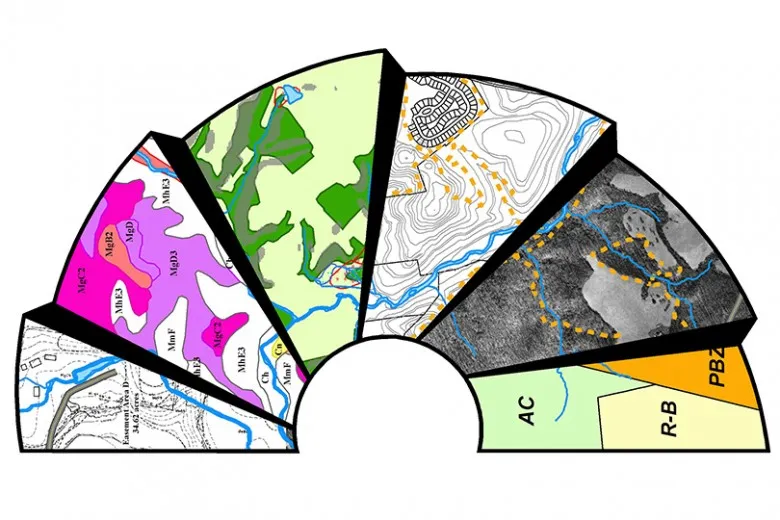
    It is a technology applied to capturing, storing, analyzing, and visualization of spatial or geographic data. It integrates a lot of different data types so the end user will gain insight into patterns, relationships, and trends of spatial contexts. By mapping and analyzing this information, GIS (Geographic Information System) helps transform raw data into visual insights that drive better decision-making.

    It plays a critical role in data collection and management from various sources, including satellite imagery and GPS, in addition to surveys. It allows the user to layer various datasets; thus, it visualizes geographic relationships and analyzes them; hence, useful in many applications.

    What is GIS?

    GIS (Geographic Information System) refer to the systemic, specialized techniques designed for capturing, managing, manipulating and displaying georeferenced information. It allows users to prepare and generate a variety of maps and charts, examine spatial connections and perform intricate tasks related to location. There is increasing significance and importance of GIS technology in aiding management strategies in urban planning, environmental management, agriculture, transport, and health sectors.

    It bundles together disparate information typically obtained from various sources, for example, maps, databases, satellite images, and GPS units, which are necessary to extract better geographical information. These layers of information allow useful conclusions to be made on the observation of connections, structures, and tendencies that would not be seen in conventional data sets. Combining these data and graphic scenarios of this nature, the specialist is able to accurately model a location with the influence of a number of components.

    Hardware, software, data, methods and people are the commonest components of the GIS. By the phrase hardware, it is common to understand or relate it to a computer system that is used to operate the GIS but more and more of the spatial data processing and analysis activities are carried out using software. Information is one of the most important components and comes from many sources including data captured by satellites, field research and even published reports. Methodology may provide an outline of the approaches a person can use and procedures that one should follow in the study.

    2. Key Features and Functions of GIS:-

    Implements, also known as GIS (Geographic Information System), refer to the systemic, specialized techniques designed for capturing, managing, manipulating and displaying georeferenced information. It allows users to prepare and generate a variety of maps and charts, examine spatial connections and perform intricate tasks related to location. There is increasing significance and importance of GIS technology in aiding management strategies in urban planning, environmental management, agriculture, transport, and health sectors.

    It bundles together disparate information typically obtained from various sources, for example, maps, databases, satellite images, and GPS units, which are necessary to extract better geographical information. These layers of information allow useful conclusions to be made on the observation of connections, structures, and tendencies that would not be seen in conventional data sets. Combining these data and graphic scenarios of this nature, the specialist is able to accurately model a location with the influence of a number of components.

    Hardware, software, data, methods and people are the commonest components of the GIS (Geographic Information System). By the phrase hardware, it is common to understand or relate it to a computer system that is used to operate the GIS but more and more of the spatial data processing and analysis activities are carried out using software. Information is one of the most important components and comes from many sources including data captured by satellites, field research and even published reports. Methodology may provide an outline of the approaches a person can use and procedures that one should follow in the study.

    3. Applications of GIS in Different Sectors:-

    It should be underlined that Geographic Information Systems technology establishes the most progressive management of data in various spheres, including spatial relations, and allows states-of-the-art management decisions; numerous industries apply it. In the context of urban planning and infrastructure, it might be regarded as highly vital since GIS facilitates the optimization of land use, plan new development, monitoring of urban growth. It, therefore, analyzes growth through an understanding of population density, infrastructure needs, and geographical constraints of areas so that cities can ensure the growth will be highly sustainable and that resources used are efficiently utilized.

    It majorly relies on environmental management as a strong tool in the monitoring of climate change, tracking of deforestation, and management of natural resources of water and wildlife. It, therefore, helps governments and organizations analyze the environmental trends, estimate any challenges likely to happen in the future, and employ the proper conservation strategy in ways that protect ecosystems. In transport and logistics, this technology enhances route optimization, traffic management, and fleet tracking. Equipped with real-time traffic data, transportation companies reduce delivery time and cost while cities manage congestion and set up an efficient public transport system.

    Disaster management, of course, is completely impossible to be effectively carried out without the predictive role of GIS in advance, whether that be a flood or an earthquake, enabling an effective response in case of any emergency. It enables the authorities to assess risks, map the vulnerable areas, and deploy resources effectively during emergencies. In agriculture, GIS facilitates precision farming by enabling farmers to monitor crop health, manage irrigation, and optimize resource use; this, in turn, increases yield while reducing the generation of waste and makes farming more sustainable.

    Public health applies GIS (Geographic Information System) to disease tracking, modeling of epidemics, and the distribution of resources with the view to ensuring better responses by governments and health organizations to health crises. Business and marketing finally use GIS to enable firms to perform site selection and market analysis in finding out customer demographics and competition, and where the best locations for new ventures are.

    4. Importance of GIS:-

    Its abilities have been relied upon in such a high-quality fashion that, today it is classified to be one of the vital tools for decision making across numerous scopes via data insights into strategic decisions using geographic information systems. GIS combines data and allows organizations to visualize patterns of nonlinear variable relationships, thus making more informed decisions. Good asset allocation and utilization are critical regardless of whether you work in the public or private sector, so this will assist resource management.

    In addition to strategic planning, GIS-related risk assessment and disaster preparedness obtained a substantial rating on the scale of importance for all hazards mapping. Agile situations ensure the operation of logistics and emergency services in real-time because GIS-driven data analytics streamline. Secondly, GIS provides support and interaction through maps and data are accessible to all stakeholders so that there can be a proper coordination of efforts. It helps eco-friendly development by giving contributions towards sustainability and conservation of environment. For this reason, it is one of the best defenses we have against these concurrent challenges.

    5. Future Trends in GIS:-

    With the ever-progressive development of obtainable Geographic Information Systems (GIS), artificial intelligence and machine learning are poised to change predictive analysis within GIST. AI algorithms are now also in use with GIS, allowing for analysis of massive volumes of spatial data to forecast trends and demand, resource optimization, signal undetectable correlations preemptively. This synergy improves decision-making throughout different fields, from urban planning to environmental management, and makes GIS even more strategic when predicting or reacting to intricate issues.

    At the same time 3D GIS and virtual reality (VR) is shaping spatial visualization & planning growth. These developments put the geographic data in a three-dimensional model of it which make simulations and analysis accurate. Real-time GIS (also referred to as real time mapping) has been made possible because of widespread use of the Internet, such that data is more quickly and widely disseminated. The pervasive nature of IoT technologies & sensor networks brings even further utility with these depicting dynamic systems in modern times. With smart city and sustainable development initiatives gaining momentum, GIS will be the cornerstone in integrating and managing these complex technological solutions that are key to building efficient, resilient, and dynamic urban landscapes.

    Conclusion:-

    GIS (Geographic Information System) now a days used extensively in data manipulation and decision making, as it gives insight about spatial relationship with different layers on earth. Integrating more than 130,000 data sets and powerful analytical capabilities to support decision-making in a wide range of fields from urban planning to environmental management. The evolution of the technology makes GIS adoption even more important in order to get most out and bridge global challenges. Adopting GIS not only streamlines operations and enhances productivity, but also provides organizations with the ability to address complex problems more accurately and proactively. GIS, ever evolving in a rapidly changing world just makes it more important and an imminent transformative tool for future innovations.

    Read more on:-

    For more information about engineering, architecture, and the building & construction sector, go through the posts related to the same topic on the Pinnacle IIT Blogs page.

    Find out more accurately what we are going to take off in the course of applying leading new technologies and urban design at Pinnacle IIT.

    Subscribe to our YouTube channel and blog websites to obtain all the up-to-date information relating to construction matters.

  • How BIM Make’s Cost Efficiency Better In Construction Project

    How BIM Make’s Cost Efficiency Better In Construction Project

    BIM is the digital representation of both the physical and functional characteristics of a building. It is a shared knowledge resource that supports decision-making about a building or other structure. Therefore, by providing accurate and reliable detailed information during its entire life cycle. Therefore, BIM provides more effective collaboration among all professionals in the project, while the speed and quality of decision-making are enhanced and changes are allowed in real time.

    BIM in construction is indispensable for its capability for enhancement, reduction of errors, and cost-effective planning. With proper modeling, stakeholders can visualize potential problems early and reduce costly delays and reworks. This is crucial in the complex world of construction projects. BIM streamlines resources and enhances workflows to ensure projects are completed on time and within budget. It has turned out to be a very important tool for both the project manager and the contractor.

    1. Enhanced Planning and Design Efficiency:-

    Accurate 3D modeling greatly enhances planning and design efficiency in construction. It offers early design visualization, hence permitting project teams to gain a clear view of what the final outcome will look like even before actual construction takes off. Such foresight offers an avenue toward informed decision-making since the stakeholders make better choices about design adjustments. The probability of design mistakes therefore decreases, which in turn leads to smoother workflow with fewer complications later on.

    Clash detection is another core component of design efficiency enhancement. It involves the realization and resolution of clashes between Architectural, Structural, and MEP systems as early as during the design stage. These are issues that would have otherwise been complex and costly to rework during the actual construction of a building. In this respect, this helps construction teams to enjoy a much more efficient project flow within budget and schedule bounds.

    2. Improved Collaboration and Communication:-

    To make enhancements to project efficiency and minimize delays improved cooperation and communication are of great importance. For easy coordination and avoid miscommunication or errors, a centralized data hub will provide all the stakeholders with an access to the real-time project information. It is this transparency that breeds trust between teams since they are all referring to the same statistics.

    An additional aspect is that streamlined project management simplifies cooperation among various disciplines. Early integration of team efforts reduces time used in corrections, alterations or misunderstanding. Rather than trying to fix preventable problems, teams can now concentrate on problem solving as well as innovation. Such a paradigm does not only speed up project completion but also ensures quality deliverables since all members are on board working towards similar objectives. This creates a project environment that is more efficient, communicative and effective.

    3. Efficient Resource Management:-

    Advanced construction management features include the accurate material quantification and optimized scheduling. The automatic material takeoffs are accurate in the measurement of a number of materials, wastes, and over-ordering to save wastage of money by gaining sustainability. The use of improved technology like BIM helps the construction team calculate material quantities and requirements. It also enables stagewise ordering to minimize wastage and ensure only the necessary materials are ordered.

    4D BIM adds a time dimension to the construction process, improving scheduling and project coordination. It can estimate probable project delays even before any activity has taken place and also assists in good labour management without wasting further time. Scheduling data is integrated with the construction stages to anticipate bottlenecks and allocate resources effectively, ensuring timely project completion. All these value-added features constitute a paradigm shift from traditional construction methods to more integrated and controlled processes and better project results.

    4. Minimizing Construction Risks:-

    Minimizing construction risks is essential to ensure project success and safety. Effective risk analysis and mitigation strategies contribute much in the process of early detection of possible hazards. Data analysis allows the construction teams to anticipate problems that may lead to overruns or postponements. By identifying these risks prematurely, the contractor will thus help offer solutions to prevent unexpected snags that keep the project on course and within budget.

    Apart from risk analysis, design for safety needs to be improved to avoid accidents and take safety for workers a step further. Teams can adopt virtual simulations to test safety measures in a controlled environment before implementation. This proactive approach helps reduce incidents that cause injuries and costly delays at sites. Therefore, construction projects minimize risks, protect workers, and save related costs by prioritizing safety in their lists.

    5. Improved Lifecycle Cost Management:-

    Improved Lifecycle Cost Management, a key strategy to improve the long-term value of buildings by optimizing life cycle costs. Advanced technologies, including 6D BIM, helps intelligent management of building maintenance and operations for bringing more operational efficiency in the work. This means that facilities would operate seamlessly without much disruption and decrease costly repairs. It also extends the overall life of the building.

    Another key constituent is the energy efficiency based on its operation by analyzing and optimizing the performance of a building. Managers of various buildings can put in place measures for saving energy through continuous monitoring in order to cut down on the cost of heating, cooling, and illumination. Such optimizations lower not only the operating costs but also create a contributory factor toward sustainability by reducing the footprint of a building on the environment. Such practices enable facilities to become even more functional with time and at lesser cost.

    6. Reducing Post-Construction Changes:-

    This can only be achieved by reducing unexpected expenses likely to occur and harm the long success of the building. One of the major ways to make this possible includes the use of accurate as-built models. The model is an exact view of the finished project that minimizes changes or unexpected costs after the construction is complete. They act like reliable blueprints for future renovations or expansions one may plan for the building.

    Smoother change management is another vital benefit of reducing changes after construction. Since the documentation and facility data come together in one comprehensive model, stakeholders can avoid the usual missing or inaccurate information. The handover process would be efficient, avoiding mistakes and delays that cost money, hence the facility management team would have what they need to efficiently operate, maintain, and upgrade the facility in the future.

    Conclusion:-

    BIM has brought a significant change to the construction field, by bringing efficiency in the work and also by increased savings in different works of project. It has been able to help improve costs from initial design to construction and even maintenance through streamlining, improving accuracy, and reducing errors. With better coordination afforded by BIM, costly reworks are avoided, and there is better resource allocation.

    The wider application of BIM would promote higher efficiency and more economical building. This brings not only savings but other advantages, such as more collaboration, sustainability, and project duration reduction. From this point of view, major long-term savings can be afforded by using BIM.

    It therefore means that in the future, BIM adoption and development will go ahead unabated, since these relatively new trends of AI integration and improved data analytics promise further cost efficiencies. As the technology evolves, BIM is expected to continue forming the backbone of cost-saving strategies in future construction projects.

    Read more on:-

    For more information about engineering, architecture, and the building & construction sector, go through the posts related to the same topic on the Pinnacle IIT Blogs page.

    Find out more accurately what we are going to take off in the course of applying leading new technologies and urban design at Pinnacle IIT.

    Subscribe to our YouTube channel and blog websites to obtain all the up-to-date information relating to construction matters.
  • Modern Roman Architecture Design Guide

    Modern Roman Architecture Design Guide

    The rugged beauty of Ancient Roman architecture, from the grand Colosseum to the awe-inspiring Pantheon, has always captured global attention. Its influence continues to resonate today. These buildings stand as symbols of Roman engineering genius and aesthetic intent harmonizing form with function. Despite their age, Roman architectural principles still impact everything from administrative offices to sports arenas today.. Today’s constructions bear the scarring of Roman arch-domes and town planning designs. This blog post explores how modern buildings are influenced by ancient Roman architecture, bridging the gap between past and present design.

    1. Overview of Roman Architectural Innovations:-

    Ancient Roman architecture showcased advanced engineering skills and innovative thinking. It laid the foundation for many modern construction techniques. The Greeks mastered arch, vault, and dome constructions, allowing them to build massive structures that combined strength and beauty. The Romans' greatest blunder was likely their failure to fully exploit concrete, which could have allowed for even more complex and imaginative constructions.

    Town planning was another area where Romans shone. The grid layout was first introduced into cities by Romans so that there can be well-organized and reasonable urban centers. Aqueducts brought water to cities from far away while public spaces in Roman life included forums, baths, and amphitheaters. These original designs not only defined the character of the Roman Empire but they are also elements of modern architecture and urbanism today; a proof of this is the persistence of Roman creativity.

    2. Core Principles of Roman Architecture:-

    Famous Roman architecture is distinguished not merely by its bigness but also by it being a model for contemporary building. At the nucleus of Roman design are three important principles: functionality, aesthetics and durability. Utility and functionality were of primary importance as seen in their extensive system of roads, aqueducts and public baths which were all intended to enhance day-to-day living conditions.

    Instead, grandiosity and beauty were evident in monumental structures adorned with detailed columns, friezes, and sculptures. These elements showcased Roman power and national honor. The Romans emphasized durability and stability, creating structures that have lasted thousands of years. Their use of concrete technologies continues to influence modern innovations. Roman architects blended functional principles to create architecture that harmoniously coexists with time.

    3. Roman Influence on Neoclassical Architecture:-

    The architects of Renaissance and Enlightenment had a goal to restore the majesty of the ancient Romans’ buildings and that led to neoclassical architecture rising in popularity. This style incorporated Roman features like columns, pediments, symmetry, and domes. These elements became symbols of power, democracy, and cultural heritage. The U.S. Capitol and the British Museum are examples of these structures in which they resemble the architectural greatness of ancient Rome.

    Neoclassical designs aimed for both beauty and function, emphasizing balance and monumental scale. Take for instance Lincoln Memorial located in Washington, D.C. or else Arc de Triomphe found in Paris; Both represent how architects designed buildings inspired by Roman principles for strength and longevity. Such architectures have such an ageless sense; They blend ancient design principles with contemporary ideals, leaving a lasting impact on government buildings, museums, and monuments worldwide.

    4. Roman Architecture in Contemporary Design:-

    Contemporary design has been profoundly shaped by Roman architecture, including its aesthetics and structural techniques. The engineering innovations that Romans pioneered such as arches, domes and concrete are still important elements of today’s architecture. Skyscrapers, stadiums, and bridges now showcase both striking design and robust construction.

    Based on grids, Roman urban planning from the beginning of times set the basis for today’s city layouts. By emphasizing public infrastructure such as roads and aqueducts, the Romans laid the groundwork for modern city designs. These innovations helped integrate transportation systems with utilities, making cities more functional and efficient.

    Modern times derive inspiration from sustainability-based architecture with regard to Roman durability. Their long-lasting buildings offer directions for environmentally responsible approaches to design which focus both on longevity in addition to reduced impact on environment; embodying an architectural philosophy that is timeless where strength meets sustainability rather than being mutually exclusive concepts.

    5. Iconic Examples of Roman-Inspired Modern Architecture:-

    Known for magnificence and creativity, Roman architecture is a source of inspiration to present-day designs globally. The ancient Romans set values such as strength, purpose, and splendid art, which have enabled their enduring impact on present-day building architecture. As proof of the everlasting rummage sale of ingenuity by Romans, one can find traces of their influence in places like official buildings or sport venues today.

    The dome of Pantheon is an ancient engineering wonder which has influenced the design of current structures such as the Reichstag Dome in Berlin. Especially with regards to museums and sports stadia, its harmonious proportions and novel use of concrete have become a standard model for accommodating spacious modern spaces. The legacy platform built up by aqueducts another Roman innovation served as foundation for enormous structural accomplishments. What can be seen on contemporary skyscrapers and water supply systems is greatly influenced by how Romans distributed load weight proportionately.

    Likewise, several if not all present public and cultural monuments stand testimony to Roman grandeur that were mapped out in temples. In numerous memorials and government buildings, columns, pediments as well as elaborately designed entryways still borrow their forms from ancient Roman temple architecture.

    Conclusion: Roman Architecture's Legacy:-

    Roman architecture is one of the very bases on which modern engineering, design, and planning have their backs. The ingenuity of Roman builders-to say nothing of their use of arches, vaults, and concrete-has strongly influenced contemporary architectural practice. From the great public baths and aqueducts to the overall strategic urban layout, these various ancient innovations set the groundwork for most of today's architectural and engineering achievements.

    It comes to show that the very core of Roman principles has something eternal, combined with the latest technology. Architects even now continue with their respect for and addition to the Roman feats by incorporating classical designs and styles into state-of-the-art materials and methods. Such a blend of historic elegance and modern ingenuity assures that the legacy of Roman architecture will continue to shape the skylines of today and to inspire future generations of builders and designers.

    FAQ's:-

    1. How did roman architecture influence us today?

    Roman architecture influenced us by introducing durable concrete, arches, and domes, which shaped modern construction. Their urban planning principles, like grid layouts and public spaces, continue to guide city design and infrastructure, blending functionality with aesthetics.

    2. How did Etruscans influence roman architecture?

    The Etruscans influenced Roman architecture by introducing the use of the arch and vault, which became fundamental in Roman construction. They also influenced urban planning and religious building styles, shaping early Roman architectural development and design.

    3. What are the common parts of Greco Architecture?

    Common parts of Greco architecture include the Doric, Ionic, and Corinthian columns, each with distinct styles, entablatures with friezes and architraves; pediments and capitals, and symmetrical layouts in temples and public buildings.

    4. How did Roman Architecture Differ from Greek Architecture?

    Roman architecture differed from Greek architecture through its extensive use of concrete, arches, and vaults, enabling larger and more complex structures like the Pantheon. Romans also prioritized practicality and urban planning, whereas Greeks focused on ideal proportions and symmetry.

    5. How did Roman Architecture affect Western Civilization?

    Roman architecture shaped Western civilization through innovations like concrete, arches, and urban planning, influencing construction techniques and city design. Its enduring styles, such as columns and domes, inspired Renaissance and modern architecture, leaving a lasting architectural legacy.

    Read more on:-

    For more information about engineering, architecture, and the building & construction sector, go through the posts related to the same topic on the Pinnacle IIT Blogs page.

    Find out more accurately what we are going to take off in the course of applying leading new technologies and urban design at Pinnacle IIT.

    Subscribe to our YouTube channel and blog websites to obtain all the up-to-date information relating to construction matters.

  • Architectural Principles of Planning

    Architectural Principles of Planning

    Architectural planning is one useful process that needs to be followed in the conceptualization of functional, attractive, sustainable constructions. This includes strategic sequences of action regarding space and resource organization, both practical and design-related. Proper planning ensures a building functions with its purpose and is able to maximize user experience with proper integration into its surroundings.

    In this blog, functionality, aesthetic perspective, sustainability, and adaptability are cornerstones of Architectural planning. It will take the reader through how these very aspects guide architects to bring innovative yet practical spaces into existence. This will help in thoughtfully appreciating the design that makes architectural projects successful by understanding these key elements of planning.

    Core Principles of Architectural Planning:-

    1. Functionality for the Users:-

    User Requirements: Architects aim to prioritize users' practical needs and behaviors throughout the design process. It means determining if an occupant needs something like comfort for living, workplace productivity, or accessibility. In this way, the architects would create functional spaces which would fit the needed user experience.

    Space Planning: Space planning is a key factor to consider when designing and optimizing buildings. Architects typically design spaces to maximize functionality by creating efficient flow patterns. These patterns reflect how the space will be used and help achieve its intended purposes. The space will need a mix of public and private areas, with a focus on maximizing natural light. Circulation patterns should balance human interaction and ease of movement.

    2. Aesthetic Considerations in Architectural Planning:-

    Aesthetic Appeal: The most significant balance in the design of architecture involves a balance between form and function. Thus, it is an artfully pleasing design that incorporates grace and beauty into function and utility. The architects create functioning spaces using principles of proportion, symmetry, and scale that make them a pleasure to be in.

    Design Harmony: Coherence among all the diverse design elements unifies the aesthetic. Architectural style, material, color, and texture should support each other in a smooth flow. Architects ensure the design feels cohesive and is intentionally arranged to maximize the experience of the space by carefully considering how each element interacts with others.

    3. Architecture's Responsibility towards Environment:-

    The realm of architecture is solely reliant on the eco-friendly materials and energy-efficient designs that are used for Sustainability. These materials include bamboo trees, reclaimed timber, and recycled metals, which reduce waste and lower carbon footprints. Most often than not, these materials come with LEED certification which acts as a guarantee for their sustainable credentials.

    Some design strategies, like passive solar heating, high-performance insulation, and efficient windows, can achieve energy efficiency. Implementing technologies like LED lighting, programmable thermostats, and advanced HVAC systems will further reduce building energy consumption. In general, these practices do not only lead to decreased operational costs but also go to enhance the environmental responsibility demanded by construction industry towards greener and more sustainable projects.

    4. Architectural Context Awareness:-

    Site Analysis: An intricate exploration of the site is required for effective architectural design. The environmental setting including: the climate, topography and flora of a building site are studied in this. Consequently, architects are able to design structures that respond to their immediate environment without compromising on natural lighting or ventilation. Additionally, during this stage, we consider the cultural and historical dimensions of a site to respect and reflect local traditions and values.

    The act of integrating with surroundings demands harmonizing building design with its environment. Architects use materials and forms that blend into the existing landscape and architectural styles. Moreover, apart from improving aesthetic appeal the technique also fosters a sense of place thereby making sure that the new structure looks like it belongs there instead of being an eye sore.

    5. Versatile Spaces and Flexibility:-

    Future-proofing: Architects design buildings that can adapt to future needs as they evolve over time. Integrating changeable elements like modular systems or expandable layouts enables easy modification without major renovations which means no waste due to overhauling. Inclusive of anticipated advancements in technology, this safeguard reduces large scale replacements while minimizing wastage involved.

    Multi-purpose Spaces: This means designing spaces that can be used for different purposes which means designing them in such a way that they have several roles to perform. These include open floor plans, movable partitions as well as flexible furniture; consequently making it possible for these spaces to perform multiple functions like changing from being an office environment into a community center. Therefore this ensures more utility by responding appropriately to new requirements leading architectural design into sustainability considering their long-term value.

    6. Safety and Accessibility:-

    Building Codes: Safety in design can only be ensured if building codes are followed. These building codes are put in place by local and international standards regarding the structural integrity of the building, fire safety, electrical, among others. It prevents accidents and also makes the building resistant to environmental stressors to safeguard occupants and their property.

    Inclusive design: Inclusive design is more than mere compliance; rather, it is to make spaces functional for any and all individuals, regardless of ability. It will entail environments that allow for the wheelchair user down the line to the sight impaired with tactile guides, and enable the person of various physical capabilities to adjust the environment to suit themselves. Accessibility not only meets legal requirements but also provides an inclusive society in which all have equal means to enter and use spaces both comfortably and safely.

    7. Safety and Accessibility:-

    Building Codes: Safety in design can only be ensured if building codes are followed. These building codes are put in place by local and international standards regarding the structural integrity of the building, fire safety, electrical, among others. It prevents accidents and also makes the building resistant to environmental stressors to safeguard occupants and their property.

    Inclusive design: Inclusive design is more than mere compliance; rather, it is to make spaces functional for any and all individuals, regardless of ability. It will entail environments that allow for the wheelchair user down the line to the sight impaired with tactile guides, and enable the person of various physical capabilities to adjust the environment to suit themselves. Accessibility not only meets legal requirements but also provides an inclusive society in which all have equal means to enter and use spaces both comfortably and safely.

    8. Investment Plan and the Availability of Resources:-

    Control of Expenses: Effective expense management is essential when it comes to architecture as it seeks to reconcile lofty design desires with little money. Consequently, architects need to plan their projects’ expenditures and keep watch on them from the beginning until its completion. During this process, they are involved in making accurate estimates of costs than to categorize design features according to their importance and price, trying to minimize the costs but retain quality. Re-evaluating budgets regularly makes sure that projects are economically viable in spite of achieving set targets.

    Distribution of Resources: Efficient distribution of resources entails managing materials and other elements effectively in order to avoid wastages leading therefore saving extra cash which could have gone into buying new materials again. That is why architects must choose robust and environmentally friendly resources that satisfy both performance and budget criteria. They should also work closely with contractors for proper scheduling so that they may aid in timely usage of resources such as food plates among others being used during construction. This would basically involve the integration of sustainable techniques paired up with modern building approaches which will lead to improvement in project performance leading to reduction environmental pollution and hence building a stronger economy at a minimal cost overall.

    Conclusion:-

    Functionality making sure that the spaces meet user requirements; aesthetics bringing together visual attraction and practical exploitation; sustainability using materials which are friendly to environment as well as energy saving measures, contextuality joining designs to their environment, flexibility permitting future modifications; safety and accessibility making to the building regulations and involving everyone in it, structural integrity ensuring that the built structure is lasting; budget considerations balancing between design dreams with financial limitations.


    There is no better way than effective planning for architects to succeed in their work. Effective design is functional, beautiful and environmentally sound, safe and also adaptable at the same time. This promotes risk management in addition to reducing costs while also improving general project quality leading to successful architectural designs that can last.

    Read more on:-

    For more information about engineering, architecture, and the building & construction sector, go through the posts related to the same topic on the Pinnacle IIT Blogs page.

    Find out more accurately what we are going to take off in the course of applying leading new technologies and urban design at Pinnacle IIT.

    Subscribe to our YouTube channel and blog websites to obtain all the up-to-date information relating to construction matters.