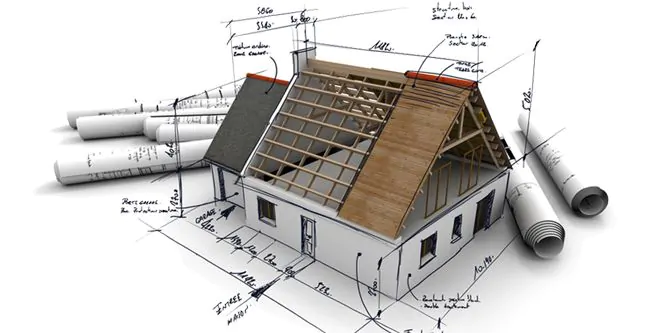
Welcome to the future of civil engineering with advanced BIM (Building Information Modeling) technology. BIM has revolutionized the field, offering engineers, architects, and builders a dynamic, collaborative, and efficient way to design and manage projects. This blog delves into the latest BIM 2024 trends, tools, and tips, essential for anyone in the field.
1. The Essence of BIM in Modern Civil Engineering
BIM isn't just software; it's a process that involves the digital representation of physical and functional characteristics of a project. BIM 2024 is anticipated to offer enhanced user-friendly interfaces and more efficient workflows, making it indispensable in civil engineering. Learn how BIM is a game-changer in project management, design, and execution.
2. Civil Tools and Engineering Guide: Navigating the BIM Landscape
In this section, we explore the top BIM tools essential for civil engineers in 2024. From practical tips on using these tools to integrating BIM solutions into your projects, this guide covers it all. We'll also discuss how these tools facilitate construction modeling and infrastructure design.
Image: Civil Engineering and BIM: Integrating Technology for Future Infrastructure
3. Engineering Solutions through Advanced BIM
Advanced BIM technologies, like BIM software and engineering software, are pivotal in providing engineering solutions. This segment illustrates how BIM technology aids in building information management and the specific advantages of using advanced BIM for civil engineering tools.
4. Practical Tips for Efficient Workflows in BIM
Efficiency is key in project management. Here, we offer practical tips for creating efficient workflows using BIM, focusing on user-friendly BIM practices and design software. We'll also touch on the role of BIM in efficient project management and collaboration.
5. Building the Future: BIM in Construction Modeling
Explore how BIM is transforming construction modeling. This part highlights the use of BIM in various construction phases, from planning to execution, and how it contributes to the success of projects.
Frequently Asked Questions (FAQs)
Question: How does BIM 2024 differ from earlier versions? Answer: BIM 2024 is expected to be more user-friendly, with improved interfaces and more efficient workflows. It integrates more advanced civil engineering tools and technologies for better project management and design.
Question: What are the top BIM tools for civil engineers in 2024? Answer: The top BIM tools include various design and modeling software that offer advanced features for project visualization, collaboration, and management.
Question: Can BIM be used for all types of civil engineering projects? Answer: Yes, BIM is versatile and can be adapted for various types of projects, ranging from small-scale buildings to large infrastructure projects.
Question: How does BIM contribute to efficient project workflows? Answer: BIM facilitates better coordination, reduces errors, and allows for more accurate planning and execution, leading to more efficient project workflows.
Question: What is the future of BIM in civil engineering? Answer: The future of BIM is bright, with continuous advancements in technology making it an integral part of civil engineering, offering innovative solutions for complex projects.
Conclusion
BIM technology is a vital catalyst in shaping the future of civil engineering. By embracing advanced BIM tools and techniques, engineers can elevate their projects, ensuring efficiency, accuracy, and innovation. As we step into 2024 and beyond, integrating BIM into civil engineering practices is not just an option but a necessity for staying competitive and successful. Discover more about the transformative power of BIM in civil engineering at Pinnacle IIT's comprehensive blog. Explore more at Pinnacle IIT.
As we approach 2024, the landscape of civil engineering is undergoing significant evolution, with Building Information Modeling (BIM) becoming increasingly central. For civil engineers committed to staying at the forefront of their field, understanding and implementing the best BIM practices is essential.
BIM 2024: The Future of Civil Engineering
In 2024, Building Information Modeling (BIM) in civil engineering is characterized by user-friendly tools enhancing accessibility and offering intuitive interfaces. Efficient workflows are facilitated through the integration of disciplines and real-time collaboration via cloud-based platforms. Data-driven decision-making is empowered by parametric design and performance analysis features. Lastly, lifecycle management is improved with advanced tools for operation, maintenance, and standardized data exchange. This evolution in BIM technology is pivotal for future civil engineering projects, promoting efficiency and innovation.
Image: Civil engineers collaborating over a BIM interface on a construction site.
Civil Tools: Revolutionizing Design and Construction
It highlights how modern civil tools, particularly those within Building Information Modeling (BIM), are transforming civil engineering. These tools enhance the capabilities of professionals by offering advanced features for design, analysis, and collaboration. They enable engineers to create more accurate models, simulate various scenarios, and ensure seamless integration across different stages of construction. By leveraging these tools, civil engineers can achieve greater precision and efficiency in their projects, leading to innovative and sustainable solutions in the construction industry.
This focuses on how Building Information Modeling (BIM) is an essential tool for engineering projects. BIM enhances efficiency by streamlining workflows and fostering innovative solutions. It allows for improved planning, design, and management of construction projects. Through BIM, engineers can simulate different scenarios, enabling better decision-making and reducing the potential for costly errors. This approach results in more sustainable and cost-effective projects. For an in-depth understanding of how BIM is transforming engineering, explore more about BIM and its impact on engineering efficiency.
Frequently Asked Questions
Question: How is BIM 2024 Different from Previous Years? Answer: BIM 2024 emphasizes advanced integration with AI and IoT, providing a more streamlined and collaborative environment.
Question: What are Some User-Friendly BIM Tools? Answer: User-friendly BIM tools focus on intuitive interfaces and interoperability, such as Revit and AutoCAD.
Question: How Does BIM Enhance Engineering Solutions? Answer: BIM enhances engineering solutions by providing accurate simulations, clash detection, and real-time collaboration.
Question: Can BIM Improve Design Software Efficiency? Answer: Yes, BIM significantly improves the efficiency of design software by enabling more accurate modeling and quicker decision-making.
Question: What Practical Tips are There for Implementing BIM? Answer: Practical tips for implementing BIM include thorough training, focusing on data management, and leveraging BIM for project visualization.
Conclusion
As we embrace the advancements of BIM in 2024, civil engineers are poised to achieve greater efficiency, precision, and innovation in their projects. Embracing these practices is not just about keeping up with technology; it’s about leading the way in building a smarter, more sustainable future.
Discover More at Pinnacle IIT
For deeper insights and further learning, explore the world of BIM and civil engineering at Pinnacle IIT Blogs and Pinnacle IIT.
As we embrace 2024, civil engineering emerges as a pivotal force in shaping our future. This blog explores the dynamic role of civil engineering, highlighting its importance, career prospects, and the transformative technologies reshaping this field.
The Importance of Civil Engineering in 2024
Civil engineering stands at the forefront of building and maintaining societal infrastructure. With innovations like BIM technology and digital construction tools, civil engineers are essential in crafting resilient, sustainable infrastructures.
Key aspects include:
Advancements in Civil Engineering: Embracing BIM technology for enhanced design and efficiency.
BIM Technology in Construction: Revolutionizing project planning and execution.
Sustainable Development: Focusing on green, eco-friendly infrastructure.
Impact on Society: Civil engineers significantly impact communities by designing, building, and maintaining essential infrastructure, enhancing quality of life.
Diverse Career Opportunities: The field offers specializations in structural, transportation, environmental, geotechnical engineering, and more, catering to different interests and skills.
Job Security: Ongoing infrastructure needs ensure steady demand and job stability for civil engineers.
Global Opportunities: Civil engineers can work on international projects, gaining exposure to diverse cultures and engineering practices.
Problem Solving: It's a career for those who enjoy tackling complex challenges and finding innovative solutions.
Innovation and Technology: Civil engineering is continually evolving with technological advancements, offering cutting-edge opportunities.
Career Advancement: There are ample opportunities for growth, including leadership roles and specialization.
Sustainability Focus: The growing emphasis on sustainable and green engineering practices makes it a forward-looking field.
Creativity and Science Blend: Civil engineering combines creative design with scientific principles, offering a unique blend of art and science.
Financial Rewards: The field can be financially rewarding, especially with experience and specialization.
Learn more about the synergy of BIM and safety protocols in civil engineering at BIM and Safety Protocols.
Frequently Asked Questions
Question: How is BIM Technology Shaping Civil Engineering in 2024? Answer: BIM is revolutionizing civil engineering with enhanced collaboration and efficiency.
Question: What Role Does Infrastructure Modeling Play in Urban Development? Answer: It's pivotal in creating accurate, resilient urban infrastructures.
Question: What Skills are Essential for Success in Civil Engineering? Answer: Success in civil engineering requires a combination of technical skills, like proficiency in civil engineering software, and soft skills such as problem-solving and effective communication.
Question: How Does Civil Engineering Contribute to Environmental Protection? Answer: Civil engineers design sustainable infrastructure and implement eco-friendly practices, contributing significantly to environmental protection.
Question: What are the Latest Trends in Civil Engineering? Answer: Current trends include the use of BIM applications, digital twins, and the integration of AI in construction processes.
Question: Can Civil Engineers Work in Research and Development? Answer: Yes, civil engineers can engage in R&D, focusing on new materials, construction methods, and sustainable practices.
Question: What is the Role of Civil Engineers in Urban Planning? Civil engineers play a vital role in urban planning, designing infrastructure that supports urban growth and development.
For a deeper understanding of the intersection of technology and functionality in civil engineering, explore BIM in MEP Engineering.
Civil engineering in 2024 stands as a beacon of innovation and societal development. With the integration of cutting-edge technologies and a focus on sustainability, it offers a fulfilling and impactful career path.
In the dynamic field of civil engineering, the year 2023 has brought forth a spectrum of career opportunities. This guide delves into the most promising career paths for civil engineers, harnessing the power of cutting-edge technologies and evolving industry trends.
What is Civil Engineering ?
Civil engineering is a crucial discipline central to modern society, focusing on designing, constructing, and maintaining vital infrastructure. From roads and buildings to water supply systems and bridges, civil engineers use their expertise in mathematics, science, and technology to create safe, functional, and sustainable environments. Beyond initial construction, their role encompasses continuous improvement and maintenance, shaping a safer, more efficient world for all.
This profession blends technical proficiency with creativity, serving as the backbone for our daily lives by establishing and fortifying the physical foundations of our modern existence.
Now that we've gained an understanding of what civil engineering encompasses, let's explore various career opportunities within this field:
Here are some common and promising career paths in civil engineering:
1] Building Information Modeling (BIM) in Civil Engineering
BIM (Building Information Modeling) is a digital tool used in construction and engineering. It creates detailed 3D models of buildings, enhancing collaboration, reducing errors, and improving project efficiency.
Image: Building Information Modeling (BIM) in Civil Engineering
Key Aspects:
Digital Innovation: BIM engineers utilize advanced software to create detailed digital representations of structures, facilitating precise planning and implementation.
Collaboration Enhancement: BIM promotes collaborative work, enabling engineers, architects, and contractors to work seamlessly together, reducing errors and enhancing efficiency.
Project Lifecycle Management: BIM experts oversee a project's lifecycle, from initial design to demolition, ensuring sustainability and cost-effectiveness.
Risk Mitigation: By simulating construction processes and assessing potential challenges, BIM reduces risks and improves safety.
Industry Evolution: As the industry gravitates towards digital solutions, BIM professionals are crucial for integrating modern technologies into traditional civil engineering practices.
BIM in civil engineering combines technology with construction and design. BIM engineers use advanced software for precise planning and collaboration. They oversee project lifecycles, reduce risks, and integrate modern tech into traditional practices. For detailed insights into BIM in civil engineering, explore Pinnacle IIT's insights on learn BIM and their best BIM courses.
2] Construction in Civil Engineering
Construction is a pivotal career avenue within civil engineering, involving the management and supervision of construction projects to ensure their safe and timely completion. It serves as the foundational pillar of civil engineering.
Image: Construction in Civil Engineering
Key Aspects:
Building the Physical World: Civil engineers in the construction field are akin to the creators and builders of the tangible environment that surrounds us. They translate architectural designs into real, functional structures.
Diverse Roles: Within construction, various roles await exploration. Site engineers, for example, oversee day-to-day operations at construction sites, ensuring compliance with plans and safety standards.
Project Management: Another exciting path is project management, where civil engineers lead teams, manage budgets, and ensure projects are executed according to schedule.
Materials Engineering: For those inclined towards materials and technology, specialization in construction materials engineering is an option. This specialization focuses on innovative materials and techniques to enhance the quality and sustainability of construction projects.
Hands-On Experience: Construction offers a tangible and hands-on dimension to civil engineering. It allows professionals to witness the transformation of their designs into physical reality, make real-time decisions, and tackle on-site challenges.
Continuous Growth: The construction industry is in a constant state of evolution, with the introduction of new technologies and materials. This dynamic environment provides ample opportunities for career growth and specialization.
In summary, a career in construction as a civil engineer is an exciting and fulfilling choice, offering the chance to create and build while embracing real-world challenges and opportunities for continuous advancement.
3] Environmental Engineering
Environmental engineering is a crucial field within civil engineering, focusing on projects that protect and enhance the environment. It encompasses areas like water quality improvement, pollution control, and sustainable resource management.
Key Aspects:
Guardians of Nature: Environmental engineers are like custodians of the environment, ensuring its protection and improvement while fostering sustainable development.
Diverse Specializations: Environmental engineering offers a wide array of career paths, including projects aimed at cleaning polluted water bodies, designing efficient waste management systems, and developing strategies to combat climate change.
Specialized Focus: Environmental engineers can specialize in areas such as water resources, air quality, or environmental impact assessment, allowing them to address specific environmental challenges aligned with their interests.
Positive Impact: This field directly contributes to a cleaner environment, safer drinking water, and more sustainable urban development, making a significant impact on the well-being of our planet and communities.
Versatile Employment: Environmental engineers can work in various sectors, including public agencies, consulting firms, and non-profit organizations, as their work often intersects with government regulations and policies.
In summary, a career in environmental engineering as a civil engineer offers the opportunity to make a meaningful difference in the world by addressing environmental challenges and promoting sustainability.
4] Geotechnical Engineering
Geotechnical engineering is a captivating branch of civil engineering that focuses on the Earth's materials and their interaction with structures, essentially serving as the foundation experts.
Key Aspects:
Foundation Expertise: Geotechnical engineers specialize in soil and rock mechanics, ensuring the stability and safety of foundations for structures like buildings, bridges, dams, and roads.
Critical Role: They assess conditions at construction sites, determine soil suitability for building, and design foundations that can withstand challenges like earthquakes or soil erosion.
High Demand: Geotechnical engineers are in high demand within career opportunities in civil engineering, given their pivotal role in structural stability.
Diverse Settings: Geotechnical engineers can work for engineering firms, government agencies, or construction companies. Specializations like geotechnical consulting or research offer further career avenues.
5] Infrastructure Development in Civil Engineering
Infrastructure development is a prominent career opportunity within civil engineering, involving the design and construction of essential infrastructure like roads, bridges, and airports, along with water supply and sewage systems for communities.
Image: Infrastructure Development in Civil Engineering
Key Aspects:
Building Essential Structures: Civil engineers serve as architects for the world's infrastructure, responsible for designing, building, and maintaining critical structures and systems such as roads, bridges, buildings, and water supply networks.
Diverse Project Portfolio: Infrastructure development encompasses a wide range of projects, from local community enhancements to large-scale national or global initiatives. This diversity allows civil engineers to specialize in areas aligned with their interests, such as transportation systems, building safety, or water resource management.
Job Security: Infrastructure projects are always in demand because they are essential for community functioning. Civil engineers typically enjoy job security, even during uncertain times.
Global Opportunities: Those with an adventurous spirit can explore different parts of the world, as many countries are heavily investing in their infrastructure, creating international work opportunities for civil engineers.
Public or Private Sector: Civil engineers can choose to work in the public sector, contributing to community well-being, or in the private sector, offering expertise to clients through consulting firms or construction companies.
Entrepreneurship: Experienced civil engineers often have the option to establish their engineering firms, allowing them to pursue their interests and exercise greater control over their careers.
Infrastructure development provides civil engineers with a broad and varied array of career opportunities. Whether your passion lies in construction, design, management, or innovation, this field offers a fitting path for your aspirations.
6] Structural Engineering
Structural engineering is an essential aspect of civil engineering, focusing on the design and safety of structures such as buildings and bridges.
Key Aspects:
Architects of Stability: Structural engineers design and ensure the structural integrity of buildings, ensuring they can withstand forces like earthquakes and strong winds.
Diverse Career Paths: Opportunities in structural engineering abound, with specializations such as earthquake engineering and sustainable design. Collaboration with architects and construction teams is a fundamental aspect of the role.
Impactful Role: Structural engineers play a vital role in shaping urban landscapes, contributing to the creation of safe and stable structures that define our surroundings.
Problem-Solving and Precision: This profession combines creativity with precision and is ideal for those who enjoy solving complex challenges and influencing the world's infrastructure.
In essence, structural engineering as a civil engineer is about being the guardian of structural stability in the world, making a tangible impact on the built environment through creativity, precision, and problem-solving skills.
7] Transportation Engineering
Transportation engineering, a pivotal field in civil engineering, is dedicated to creating efficient, safe, and sustainable transportation systems, ensuring the smooth movement of people and goods.
Image: Transportation Engineering
Key Aspects:
Efficient Mobility: Transportation engineers address real-world challenges like reducing traffic congestion, enhancing public transit, and improving road safety, contributing to efficient mobility.
Diverse Career Paths: This field offers diverse career opportunities, with roles in government transportation departments, consulting firms, or research institutions. Specializations in traffic engineering or sustainable transportation planning are possible.
Collaborative Work: Transportation engineers often collaborate with urban planners, environmental specialists, and policymakers to shape transportation systems in cities and regions.
8] Water Resources Engineering
Water resources engineering is a vital branch of civil engineering focused on managing and preserving our precious water resources, ensuring clean, reliable, and sustainable water sources for various purposes.
Key Aspects:
Resource Stewardship: Water resources engineers design efficient water supply systems, manage flood control measures, and promote responsible water use in agriculture, playing a crucial role in addressing water scarcity and climate change challenges.
Career Diversity: Opportunities abound in government agencies responsible for water management, specialized consulting firms, and environmental organizations. Specializations like hydrology or wastewater treatment are options.
Interdisciplinary Collaboration: Water resources engineers collaborate with experts in environmental science, geology, and public health to find innovative solutions to water-related issues.
9] Consulting and Project Management
Consulting and project management are integral roles within civil engineering, offering expertise and leadership in construction and engineering projects.
Image: Consulting and Project Management
Key Aspects:
Consulting Role: Civil engineering consultants provide expert advice and solutions to clients, assisting in project feasibility assessment, design recommendations, regulatory compliance, and project execution management.
Project Management Role: Project managers oversee the planning, execution, and successful completion of construction projects, handling aspects like budgeting, scheduling, team coordination, and safety.
Career Opportunities: These roles are found in construction companies, government agencies, and consulting firms, with experienced project managers often taking on leadership responsibilities.
Leadership and Communication: Project managers in civil engineering require strong organizational and communication skills to ensure project success, acting as orchestrators of complex projects.
Frequently Asked Questions (FAQs)
Question: What role do civil engineers play in infrastructure development? Answer: Civil engineers design, build, and maintain critical structures like roads and bridges, contributing significantly to infrastructure development.
Question: How does construction relate to civil engineering? Answer: Construction in civil engineering involves managing and supervising projects to ensure their safe and timely completion.
Question: What is the focus of environmental engineering within civil engineering? Answer: Environmental engineering in civil engineering focuses on protecting and enhancing the environment, including water quality improvement and pollution control.
Question: What does geotechnical engineering in civil engineering entail? Answer: Geotechnical engineering involves studying soil and rock mechanics to ensure the stability and safety of structures.
Question: How do civil engineers contribute to transportation engineering? Answer: Civil engineers in transportation engineering work on creating efficient and safe transportation systems, addressing challenges like traffic congestion and road safety.
Conclusion
Civil engineering is a diverse and dynamic field offering a range of career paths that are crucial for the development and sustainability of our society. From infrastructure development and construction to environmental and geotechnical engineering, each career path provides unique challenges and opportunities. Civil engineers play a vital role in shaping the world, ensuring safety, functionality, and sustainability in our physical environment. As the industry evolves with new technologies and trends, these professionals continue to be at the forefront of innovation and development, making civil engineering an exciting and rewarding career choice.
For more insights and detailed information on civil engineering careers, explore Pinnacle IIT Blogs and visit Pinnacle IIT.
Building Information Modeling (BIM) has revolutionized civil engineering, offering a digital approach to design, construction, and management of infrastructure. This comprehensive guide delves into the impact and applications of BIM in civil engineering, highlighting the transformative power of this technology in the field.
Understanding BIM in Civil Engineering
BIM in civil engineering integrates digital models with real-world data, fostering collaboration among professionals. This integration leads to improved project outcomes, cost savings, and enhanced efficiency. Delve deeper into this topic with the informative article, BIM in Action: Minimizing Construction Risks.
Image: Civil Engineers using BIM at Project Site
BIM Tools Overview
BIM tools are essential for modern civil engineering projects. They allow for detailed planning, visualization, and analysis. Explore the best BIM tools of 2024 in Top 10 BIM Software Tools in 2023.
Key Benefits of BIM in Civil Engineering
Enhanced Collaboration: BIM facilitates seamless communication and data sharing.
Improved Accuracy: Digital models reduce errors and discrepancies in project plans.
Cost Efficiency: BIM helps in budget management and cost prediction.
Sustainable Design: Promotes eco-friendly and sustainable project designs.
BIM's versatility extends to various aspects of construction, such as clash detection, project visualization, and resource management. Understand more about BIM's role in construction efficiency at How BIM Improves Construction Efficiency.
BIM for Civil Projects
BIM's adaptability makes it ideal for diverse civil projects, including bridges, highways, and urban infrastructure. Learn about BIM’s transformative effect on infrastructure design at Elevating Infrastructure Design with BIM Technology.
BIM Software Guide
Choosing the right BIM software is crucial. Consider factors like compatibility, features, and support. A comprehensive guide can be found in Mastering BIM for Retrofitting and Renovation.
Image: How BIM uses Software
Frequently Asked Questions
Question: How does BIM enhance civil engineering project management? Answer: BIM streamlines project management by providing accurate, real-time data, facilitating better decision-making and project tracking.
Question: Can BIM be used in small-scale civil engineering projects? Answer: Absolutely. BIM's scalability makes it suitable for projects of all sizes, optimizing resources and efficiency even in smaller projects.
Question: How does BIM contribute to sustainable civil engineering practices? Answer: BIM aids in designing energy-efficient structures and promotes the use of sustainable materials, playing a pivotal role in green building practices.
Question: Is training required to implement BIM in civil engineering projects? Answer: Yes, proper training is essential for effective BIM implementation, ensuring all team members are proficient in using BIM tools and methodologies.
Question: What future advancements are expected in BIM for civil engineering? Answer: Future advancements include more integration with AI and machine learning, enhanced 3D visualization, and improved data analytics for better project outcomes.
BIM in civil engineering marks a significant shift towards more efficient, sustainable, and collaborative construction practices. Its applications extend from project conception to completion, underscoring its essential role in modern civil engineering.
In the evolving world of Building Information Modeling (BIM), the debate between Open BIM and Closed BIM is increasingly significant. BIM, an innovative methodology, enhances collaboration, data exchange, and project efficiency in the construction industry. This blog delves into the utility of both Open BIM and Closed BIM, focusing on interoperability, seamless integration, and workflow flexibility.
Image: Open BIM vs Closed BIM Workflow
Open BIM: A Gateway to Collaboration and Interoperability
Open BIM, defined by its open standards and information sharing capabilities, fosters a collaborative environment. It allows for seamless integration of different software and systems, enhancing the interoperability essential for complex construction projects.
Advantages:
Interoperability and Flexibility: Open BIM supports a wide range of software, promoting flexibility in project management.
Enhanced Collaboration: It facilitates better communication and collaboration among various stakeholders.
Disadvantages:
Potential Compatibility Issues: Diverse tools and platforms may lead to compatibility challenges.
Varied Quality of Data: Open standards might lead to inconsistent data quality.
Closed BIM: The Controlled and Cohesive Approach
Closed BIM refers to a BIM environment where all project data and processes are managed within a single software ecosystem. This approach emphasizes closed ecosystems and controlled data exchange.
Advantages:
Consistency in Data Management: Offers uniform standards and formats, ensuring consistency.
Controlled Environment: Reduces risks associated with data misinterpretation.
Disadvantages:
Limited Flexibility: Restricts the use of different software tools and technologies.
Reduced Interoperability: Challenges arise in collaborating with external systems.
Comparing Open and Closed BIM
Feature
Open BIM
Closed BIM
Interoperability
High
Low
Flexibility
High
Low
Control
Low
High
Collaboration
Enhanced
Limited
Frequently Asked Questions
Question: How does Open BIM enhance project efficiency? Answer: Open BIM enhances project efficiency by enabling various software tools to interact seamlessly, facilitating smoother workflows and decision-making processes.
Question: Can Closed BIM improve information sharing in a controlled environment? Answer: Yes, Closed BIM can improve information sharing within its ecosystem, ensuring consistency and control over data exchange.
Question: Is interoperability better in Open or Closed BIM? Answer: Open BIM offers better interoperability due to its compatibility with various software and systems.
Question: How does Closed BIM affect workflow flexibility? Answer: Closed BIM may limit workflow flexibility due to its reliance on a single software ecosystem.
Question: Can Open BIM standards ensure data quality and consistency? Answer: While Open BIM promotes flexibility, it can lead to varied data quality and consistency.
Conclusion
The choice between Open BIM and Closed BIM depends on project needs, the desired level of interoperability, collaboration, and control. Both have distinct advantages, and their utility varies based on specific project requirements.