Author: Dhruv Upadhyay

  • Geotechnical Solutions for High-Risk

    Geotechnical Solutions for High-Risk

    Geotechnical engineering is needed to ensure safety and stability in structures where soils are soft, slopes are steep, earthquakes strike, and the weather is harsh. Geotechnical engineers engage in solving these risks and challenges by reclaiming land for further urban development. They find what's wrong and then create new methods of solving such problems while always keeping safety with progress.

    Hazardous Location Problems

    1. Problematic or Fragile Soils: Most problems of a hazard location result from some soil difficulty and fragile nature in handling. These conditions include expansive clays, loose sands, and peat. The conditions are further combined with weaknesses in bearing strength or susceptibility to liquefaction, especially when under a shake.

    2. Seismic Activity: In seismic zones, the ground motions and interaction of structures with soils need to be studied suitably. In addition to these complexities of geotechnical designing, there are landslides and liquefaction of the soil

    3. Steep slopes and landslides: Landslides are always there as a threat to the infrastructure projects undertaken in hilly or mountainous regions. Advanced techniques along with continuous monitoring are needed for steep slopes stabilization.

    4. Flooding and erosion: Flooding and erosion in coastal and riverine areas can lead to undermining of foundations and embankments.

    5. Urbanization and Limited Space: Fast urbanization usually puts construction on marginal soils, which have poor soil strength, so novel foundation solutions have to be provided.

    Novelty in Geotechnical Engineering

    1. Ground Improvement Techniques: It makes the soil strong and reduces settlement by using vibro-compaction, soil mixing, and stone columns. Learn new techniques in ground stabilization methods.

    2. Earthquake-Resistant Design: Advanced techniques include numerical modeling and simulation of ground motion, so engineers can predict the impact of the seismic activity and design structures that would resist earthquakes. Learn more about the design systems earthquake resilient.

    3. Slope Stability: Geotechnical engineers are given resistance by retaining walls, soil nailing, and geosynthetics. Vegetative cover and bioengineering show resistance to erosion and make the slope sustainably stable.

    4. Deep Foundation Systems: When the soil is weak, the loads need to be transferred to more stable strata. Deep foundations consist of piles, drilled shafts, or caissons. Understand foundational approaches.

    5. Real-time Monitoring and Data Analytics: Sensors and IoT technologies are utilized to monitor soil conditions, slope movements, and structural health. Early warnings and predictive analytics are applied in time for timely intervention.

    6. Sustainability: Geotechnical engineering has sustainability through the use of recyclable materials, low-carbon footprint techniques, and environmentally friendly soil stabilization.

    Case Studies

    Reclamation of coastal cities: Modern geotechnics in land reclamation projects for Singapore and the Netherlands is very advanced. Improvement and monitoring of ground conditions lead to stable constructions on reclaimed ground.

    Japan: earth-resistant infrastructural base; this country falls under one of the most active seismically prone areas. This country shows innovative solutions, a base-isolated building, and liquefaction-resistant ground improvement by geotechnics reduces the seismic risk.

    Slope stability in Himalayas: rock bolting and geosynthetics live monitoring to analyze landslide risk, along with some of the highly advanced measures assured safety in this area for lots of structural construction going on within this mountain range known as Himalayas

    Conclusion:

    Geotechnical engineering is high-risk and thus demands a blend of scientific knowledge and creative thinking, with the added dimension of advanced technology. Geotechnical engineers will be in more demand than ever due to climate change and the requirement for new urban spaces. Modern technology and sustainable methods will push the boundaries of what can be safely built, and there will be harmony between human progress and nature.

  • The Hidden World of Stormwater Management Systems

    The Hidden World of Stormwater Management Systems

    Most people pay little attention to stormwater management, although it plays a very important role in urban planning, environmental health, and infrastructure resilience. Under the busy cities and sprawling suburbs is a hidden network of systems intended to manage rainwater runoff and prevent flooding—a critical yet underappreciated aspect of modern engineering.

    What Is Stormwater Management?

    Stormwater management refers to controlling and using the runoff from rains in such a manner that the undesirable impacts are minimized. It would not infiltrate into the ground once it has rained on impervious surfaces, like roads, rooftops, and parking lots, but will simply wash away and find its path to the nearest drains, streams, and rivers, resulting in flooding, erosion, and pollution.

    Stormwater systems are very efficient in the following tasks:

    • Flooding is being reduced: Wash away channel overflow away from populated lands.
    • Water quality is improved: Catch pollutants from runoff before it can reach natural water supplies.
    • Groundwater recharge: Improve infiltration to recharge the subsurface aquifers.
    • The environment will be protected: Prevention of erosion and nutrient enrichment in streams and lakes.

    Main Components of Stormwater Management Systems

    Stormwater management systems include a variety of structures and technologies that serve a purpose in stormwater management.

    Detention and Retention Basins: Detention Basins is Temporary storage but at a slow release to minimize peak runoffs. Retention Basins Storage permanently to facilitate infiltration into the ground, and evaporation.

    Permeable Pavements: Pavement designed to allow water to pass through, thus reducing surface runoff by allowing natural infiltration.

    Green Infrastructure: Green roofs, rain gardens and bioswales all contain vegetation to allow for natural absorption or filtration of rainwater.

    Storm Drains and Culverts: These conveyance systems move stormwater to designated storage or discharge areas.

    Oil and Sediment Separators: Those devices that remove contaminants from runoff before waterways are affected.

    Challenges in Stormwater Management

    Despite such technological advancement, managing stormwater is a huge challenge:

    • Urbanization: Expansion of cities leads to increased impervious surfaces, thus increasing runoff.
    • Old Infrastructure: These cities have aged systems which cannot support the needs entailed with changing times.
    • Climate Change: Climatic changes also introduce sudden storms and irregular weather patterns.
    • Pollution: Runoff often carries harmful pollutants like oil, chemicals, and debris.

    Stormwater Management Innovation

    Recent engineering innovations have indeed brought forward the best solution for these problems:

    • Smart Sensors: IoT-enabled sensors can measure the water levels and flow rate to consider real-time data management.
    • Underground Storage Systems: Underground tanks and vaults maximize the use of land while storing huge volumes of stormwater.
    • Advanced Filtration Systems: Novel materials and novel design concepts enhance the removal of pollutants from runoff.
    • Community Engagement: Public awareness on sustainable practices such as litter less practice and rainwater harvesting enhances the efficacy of the systems.

    Why Stormwater Management Matters

    Stormwater management is one of the issues for sustainable development and environmental protection. Stormwater management protects communities from the threat of floods, quality water, and biodiversity. As more and more areas experience urbanization and face improved difficulties with climate change, the need for further investment in sophisticated stormwater systems is now more than ever urgently required.

    Conclusion

    The next time you see that rainwater disappear into a storm drain or appreciate a nicely landscaped rain garden, give a moment's respect to that hidden world of stormwater management systems. They do silently work behind the scenes, keeping a city functional while keeping ecosystems in check, so we have a resilient future.


    Read more on: –

    For more information about engineering, architecture, and the building & construction sector, go through the posts related to the same topic on the Pinnacle IIT Blogs page.

    Find out more accurately what we are going to take off in the course of applying leading new technologies and urban design at Pinnacle IIT.

    Subscribe to our YouTube channel and blog websites to obtain all the up-to-date information relating to construction matters.

  • What Are the Benefits of the Underground Cities?

    What Are the Benefits of the Underground Cities?

    As the world continues to grow in population, and cities keep getting jammed up on every side with more and more people, there is more pressure put upon cities to innovate new ways forward for space and sustainability and, of course, infrastructure. Underground cities of the future or underground cities are one of the most interesting, yet futuristic concepts where subterranean structures are a new frontier in terms of urbanization that provides options other than extending horizontally or upward. But what makes underground cities an attractive option and what challenges lie ahead?

    Why Go Underground?

    Land Scarcity

    Land in urban areas is constantly becoming scarce as well as expensive. Cities can grow without taking up arable land or converting established residential estates without using below-surface space. In areas where space is densely populated, underground construction maximizes the space. 

    Climate and Environmental Benefits

    Cities under the ground are more thermally efficient than surface cities, hence requiring less heating and cooling. This means that cities will have reduced carbon footprints immensely. The surface ecosystems are also preserved with these developments.

    Improved Urban Connectivity

    Underground spaces can serve as nuclei for transport systems, facilities, and storage. Cities can open up surface space for parks, residential, and commercial use by relocating most basic services underground. Consider examples of urban connectivity in  

    Examples of Underground Spaces in Real Life

    A functional underground city is only now being undertaken, but already there are instances of effective uses of underground spaces:

    Montreal's RESO (La Ville Souterrain): This features a 33-km network of underground shopping malls, hotels, metro stations, and office buildings.

    Singapore's Underground Master Plan: Ideas include storage uses, utility supply, and even centers for research.

    Helsinki’s Underground City Plan: Helsinki has developed underground spaces for parking, shopping, and even energy storage, showcasing the potential for multifunctional subterranean environments.

    Challenges of Building Underground Cities

    Engineering and Technical Barriers

    Building underground requires advanced engineering techniques to address issues like water ingress, soil stability, and ventilation. Excavation and construction costs are significantly higher than traditional building methods.

    Psychological and Social Factors

    Not all of them would welcome the concept of living or working underground. Inability to expose themselves to direct sunlight, making them look aloof can deter them mentally and psychologically. Brilliant designs that incorporate artificial lighting as well as natural elements into one may resolve those issues.

    Regulatory and Legal Obstacles

    Ownership and rights to underground spaces often, are gray areas, and it falls under the governments and city planners to draft policies which would outline the clear regulation over subterranean developments.

    Future Underground Urbanization

    The more advanced the technology becomes, and the greater the challenges faced by urbanization, the closer to reality the underground city concept. Improvements in construction techniques, renewable energy resources, and air ventilation systems are the most essential steps toward conquering the barriers imposed by subterranean development.

    Except for technological breakthroughs, community engagement and design innovation would be very essential. These underground spaces must become open, vibrant, and linked to the world above to become acceptable and successful.

    Conclusion

    They are no longer science fiction, but an emergent solution to some of the most pressing challenges that urban environments face today. Imagining cities with visions below the surface can unlock new opportunities for sustainable growth and resource optimization and improvement of quality of life. Meanwhile, however, sizeable challenges remain, the promise of the possible benefits makes underground urbanization an exciting prospect for the future of urban development.

  • How To Build Floating Structure in Civil Engineering

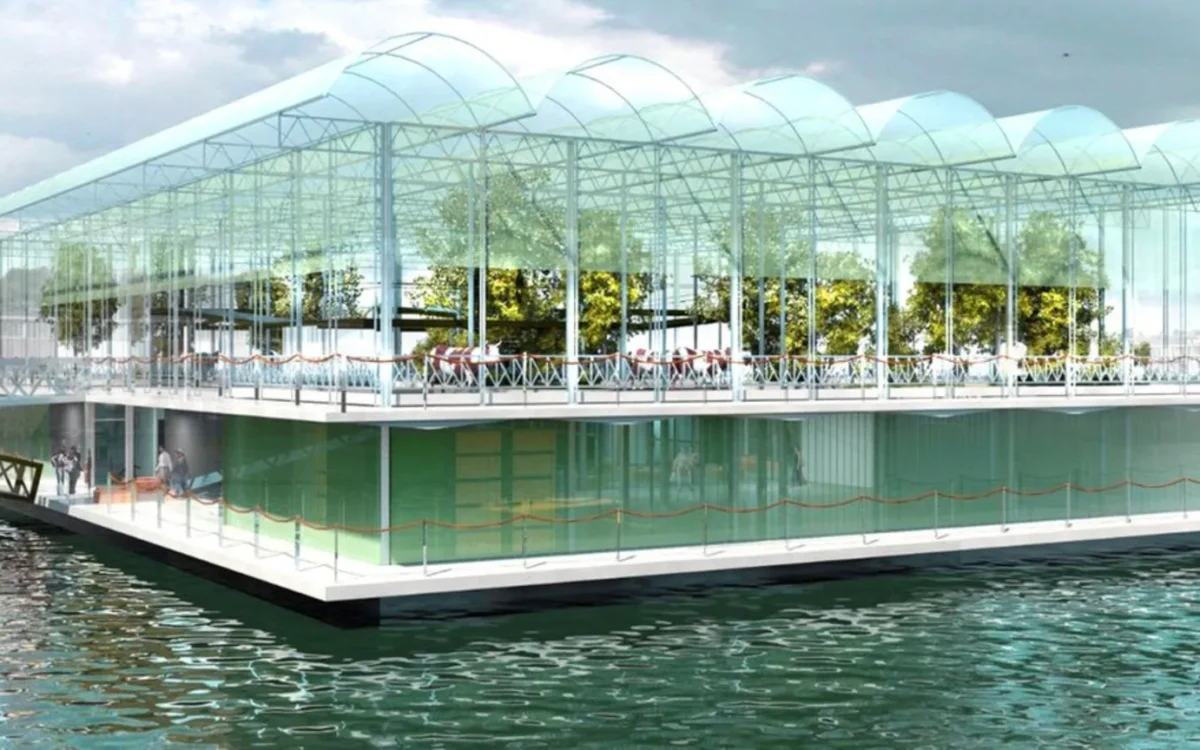
    How To Build Floating Structure in Civil Engineering

    This is civil engineering: the dynamic field that continually modifies our infrastructure and environment using technology and innovation. Many of the developments that took place in 2023 revolutionized the industry into one that is more efficient, sustainable, and resilient. Here's the top ten civil engineering innovations paving the way to a better future.

    1. Self-healing concrete

    Probably the most promising new development is self-healing concrete. Self-healing concrete heals cracks using bacteria. This will increase structural lifespan and minimize maintenance.

    2. 3D Printing in Construction

    It is 3D printing that allows for complex designs, waste minimization, and resource efficiency with a shorter construction period. To learn more about how 3D printing has now been used to improve the latest construction application.

    3. Modular Construction

    Modular construction is booming rapidly because it saves time and cost. Modules of the construction are prepared in the plant, assembled, and fixed at the site of the building. It decreases time consumption during the construction process and reduces wastage also.

    4. Smart Infrastructure

    IoT and AI are also part of this smart infrastructure. It also finds application in time-critical structures such as the smart bridge, intelligent transport system, and many others. The primary principle of the approach has always been to provide better safety conditions to a project other than it being efficient.

    5. Surveying Technologies

    Drone technology combined with LiDAR and GIS provides complete precise information. Modern surveying is useful for designing any project perfectly and its implementation.

    6. Green Building Materials

    Leading the sustainability front, green construction material in the form of recycled concrete and bamboo, is soon catching up fast. So is less the environmental footprint and saved energy. Learn About

    7. Sustainable Urban Design

    Smart city designing is being carried out after keeping in view natural disasters and the impacts happening because of climatic changes. Areas of building with floodproof designs and areas with greens are designed in cities. Read About Urban Resilience. 

    8. Artificial Intelligence in Civil Engineering

    It is optimizing the management of the project, the design, and the maintenance also. From predictive analytics to complete automation of designing, AI has indeed emerged to be a game-changer for civil engineering.

    9. Renewable Energy Integration

    Integrating renewable energy source in infrastructure construction is now part of the culture. Examples include solar road and windmill-powered buildings.

    10. Autonomous Construction Equipment

    The site becomes efficient and safe with autonomous construction equipment. Machines can work themselves most of the time in the environment, hence resulting in diminished risk and cost.

    Conclusion

    These innovations change the way we build our infrastructures but ensure that our structures are smart, safe, and sustainable. Bringing their understanding and acceptance will make it easy to deal with the modern challenges of infrastructure development and bring resiliency into future works.


    Read more on: –

    For more information about engineering, architecture, and the building & construction sector, go through the posts related to the same topic on the Pinnacle IIT Blogs page.

    Find out more accurately what we are going to take off in the course of applying leading new technologies and urban design at Pinnacle IIT.

    Subscribe to our YouTube channel and blog websites to obtain all the up-to-date information relating to construction matters.

  • How To Renovate Historical Landmark

    How To Renovate Historical Landmark

    Historic monuments are not merely buildings but links to the past that are real, depicting the cultural and historical, as well as architectural, narratives of their era. Each time such monuments get destroyed by natural catastrophes, negligence, or human actions, reconstruction is something of a challenge and an opportunity in itself. Such sites need to be preserved with authenticity and significance through collaboration between civil engineers, architects, and historians. Some of the most important lessons learned from the reconstruction of significant historical sites worldwide are discussed below.

    The major issue with reconstruction is that, while modern engineering techniques are employed to ensure the durability and safety of the new building, the aesthetic uniqueness and cultural significance of the historical sites have to be preserved. For instance, when the 2019 fire destroyed the spire and vaulted roof of Notre Dame Cathedral in Paris, engineers and architects involved in the restoration task were combining digital 3D scans with carbon-fiber reinforcements for advanced materials. This carried a message of combining the most modern technology with heritage craftsmanship.

    Lesson: Use modern aids to make the structure without compromising on the authenticity of the historic monument.

    Effective reconstruction is achieved only through proper documentation. A detailed record, photograph, and even old blueprints guide the recreation of the original structure. Reconstructed Dresden Fraenkische, Germany, serves as a prime example of comprehensive documentation. It was a German church that fell during World War II. The architects reconstructed the church based on old photographs and recovered stones as it originally appeared.

    Lesson: Right research and documentation will always save history.

    Community Involvement and Stakeholder Consultation Heritage sites are culturally and emotionally treasured by the communities in which they sit. Stakeholder consultation involving citizens, historians, and conservationists ensures that the reconstruction reflects public expectations and cultural value. The reconstruction of the Ku Dynamics Kumamoto Castle in Japan, damaged by the Great East Japan Earthquake, involved extensive community participation process to instill shared ownership.

    Lesson: The involvement of the community is key in soliciting support and bringing views from various sectors.

    Increased Use of Sustainable Practices In reconstruction, sustainable practices have been more often used. Reusing recycled materials, energy-efficient construction techniques, and the use of environment-friendly techniques reduce the negative impacts on the surroundings while also paying homage to future generations. Sustainable reconstruction of Nepal's Bhaktapur Durbar Square after the 2015 earthquake was shown through reusing traditional materials and local craftsmanship.

    Lesson: Bring in sustainable practices that make reconstruction consistent with modern environmental requirements.

    Rebuilding What to Do When Things Go Wrong: Unforeseen Obstacles In many cases, rebuilding projects encounter unforeseen obstacles, be it a shortage of funds or exposure of structural weaknesses while constructing. Flexibility and adaptability are essential. The rebuilding of the ancient city in Palmyra in Syria, destroyed through war, highlights the need for contingency planning and especially drawing on international aid in surmounting unforeseen obstacles.

    Lesson: Be prepared for surprises and adjust according to the situation.

    Detailing using Technology Technological advancement, including laser scanning technology, virtual reality, and artificial intelligence, has revolutionized the way reconstruction is performed. These machines allow for precise modeling, simulation, and analysis of historical monuments, thereby reducing errors in reconstruction work and maintaining tiny details. In the restoration of the Sydney Opera House, using BIM ensured an accurate detailing of its architectural features.

    Lesson: Harnessing Technology to Obtain Accuracy and Efficiency in Reconstruction.

    Conclusion The reconstruction of historic landmarks is a delicate balance between preservation for the future. Learning from past projects allows civil engineers and architects to apply best practices so that these projects honor the sites' cultural and historical significance. Whether it is through community involvement, sustainable methods, or using technology, every reconstruction reminds us of the strength of human creativity and the continued value of our shared heritage.

    Lesson: these projects will only continue to be relevant to the extent that landmark buildings remain ever-lasting symbols of identity and continuity in generations facing the challenges of climate change and urbanization.


    Read more on: –

    For more information about engineering, architecture, and the building & construction sector, go through the posts related to the same topic on the Pinnacle IIT Blogs page.

    Find out more accurately what we are going to take off in the course of applying leading new technologies and urban design at Pinnacle IIT.

    Subscribe to our YouTube channel and blog websites to obtain all the up-to-date information relating to construction matters.

  • The Ultimate Guide For Project Management Books

    The Ultimate Guide For Project Management Books

    Project management is a critical skill in today’s fast-paced business environment. Whether you’re a seasoned professional or a beginner, the right resources can make all the difference in your ability to lead successful projects. Here’s a curated list of the top 5 project management books available on Amazon India, complete with descriptions, reviews, and purchase links to guide your learning journey.

    1. A Guide to the Project Management Body of Knowledge (PMBOK® Guide)

    Description: Published by the Project Management Institute, this comprehensive guide outlines the standards and best practices essential for project management. It’s an invaluable resource for both beginners and seasoned professionals.

    Why Read It:

    • Provides globally recognized project management standards.
    • Covers methodologies and frameworks used across industries.

    Average Rating: 4.5/5 (Based on 1000+ reviews)

    Review Highlight: “A must-have for anyone pursuing a career in project management.”

    2. Project Management Absolute Beginner's Guide by Greg Horine

    Description: Designed for newcomers, this book simplifies project management concepts, providing practical advice and real-world examples to help you manage projects effectively.

    Why Read It:

    • Ideal for beginners with no prior project management experience.
    • Offers clear explanations of project management tools and techniques.

    Average Rating: 4.4/5 (Based on 500+ reviews)

    Review Highlight: “An excellent book for starting your project management journey.”

    3. Harvard Business Review Project Management Handbook by Antonio Nieto-Rodriguez

    Description: This handbook offers in-depth insights into advanced project management techniques, guiding you on how to launch, lead, and sponsor successful projects.

    Why Read It:

    • Written by a leading authority in project management.
    • Provides actionable advice for complex project challenges.

    Average Rating: 4.6/5 (Based on 300+ reviews)

    Review Highlight: “A great resource for professionals managing large-scale projects.”

    4. Strategic Project Management Made Simple by Terry Schmidt

    Description: Integrating strategic planning with project management, this book introduces the Logical Framework Approach (LFA) to help define goals, establish milestones, and develop a roadmap for success.

    Why Read It:

    • Combines strategic thinking with project execution.
    • Offers a clear framework for project success.

    Average Rating: 4.5/5 (Based on 400+ reviews)

    Review Highlight: “A unique approach that ties strategy and project management together seamlessly.”

    5. Scrum: The Art of Doing Twice the Work in Half the Time by Jeff Sutherland

    Description: Co-authored by the co-creator of Scrum, this book explains how to utilize the Scrum framework to enhance productivity and deliver more value in less time.

    Why Read It:

    • Ideal for Agile practitioners and project managers.
    • Demonstrates practical applications of the Scrum methodology.

    Average Rating: 4.7/5 (Based on 700+ reviews)

    Review Highlight: “A revolutionary way to approach project management and team collaboration.”

    Conclusion

    These books provide valuable insights and practical tools to enhance your project management capabilities. Whether you are exploring Agile frameworks like Scrum or diving into strategic project planning, there’s something here for everyone. Invest in these resources to take your project management skills to the next level.

    Read more on: –

    For more information about engineering, architecture, and the building & construction sector, go through the posts related to the same topic on the Pinnacle IIT Blogs page.

    Find out more accurately what we are going to take off in the course of applying leading new technologies and urban design at Pinnacle IIT.

    Subscribe to our YouTube channel and blog websites to obtain all the up-to-date information relating to construction matters.