Author: Dhruv Upadhyay

  • Ultimate Guide to Autodesk Revit

    Ultimate Guide to Autodesk Revit

    Introduction

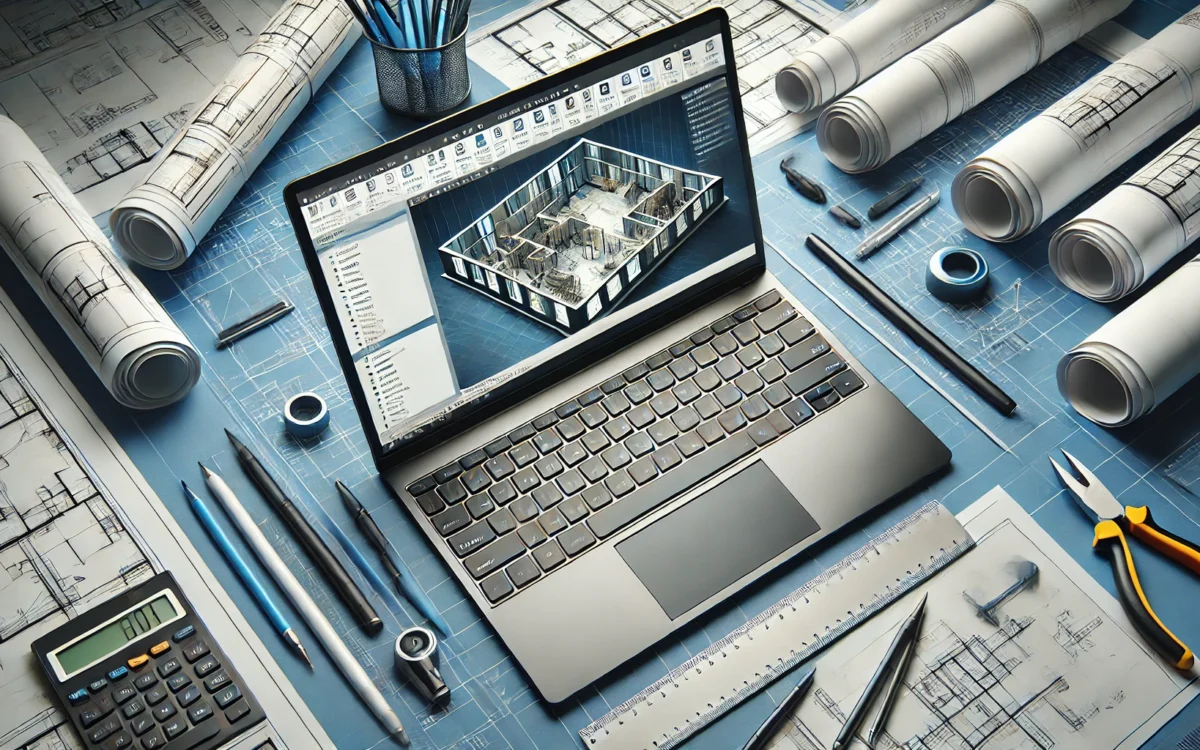
    In the ever-evolving world of architecture, engineering, and construction, staying updated with the latest tools and technologies is crucial. One such tool that has revolutionized the industry is Revit. Developed by Autodesk, Revit is a Building Information Modeling (BIM) software that allows professionals to design, simulate, and visualize building projects in a highly collaborative environment. This ultimate guide aims to provide you with everything you need to know about Revit, from basic tutorials to advanced techniques and best practices.

    What is Revit?

    Revit is a powerful BIM software that facilitates the design, documentation, and analysis of building projects. Unlike traditional CAD software, Revit offers parametric modeling, which ensures that any changes made to the model are instantly reflected throughout the project. This feature enhances consistency, reduces errors, and improves overall project coordination.

    Key Features of Revit

    • Parametric Components: Revit's parametric components allow users to create intelligent building elements that adapt to various contexts and requirements.
    • Collaborative Design: Revit supports multi-disciplinary collaboration, enabling architects, structural engineers, and MEP engineers to work within a unified model.
    • Visualization and Analysis: Revit offers robust visualization tools that create realistic 3D renderings and walkthroughs, helping stakeholders understand the design better. Additionally, Revit's analysis tools enable performance simulation and energy analysis.

    Getting Started with Revit

    If you are new to Revit, it's essential to start with the basics. Here are some fundamental tutorials to help you get started:

    Basic Interface Overview

    Understanding Revit's interface is crucial for beginners. Here are the key components:

    • The Ribbon: The toolbar at the top, divided into tabs with tools and commands (e.g., “Architecture” tab for walls, doors, and windows; “Insert” tab for importing files and links).
    • Project Browser: The panel on the left that helps navigate through different views and sheets within your project, including floor plans, sections, elevations, and 3D views.
    • Properties Palette: Located on the right, this panel displays the properties of the selected element or view, allowing adjustments to dimensions, materials, and other attributes.
    • View Window: The main workspace where you make changes to your model. Multiple views can be open simultaneously, such as a floor plan, a 3D view, and a section.
    Image Credit: Bim Chapters

    Drawing and Modifying Elements

    Understanding how to draw and modify basic elements is crucial for getting started with Revit:

    • Walls: Select the “Wall” tool from the “Architecture” tab, then click in the view window to place the wall. Adjust its length, height, and location in the property's palette.
    • Doors and Windows: Select the “Door” or “Window” tool from the “Architecture” tab, then click on a wall to place the element. Adjust its size and type in the property's palette.
    • Floors: Select the “Floor” tool from the “Architecture” tab, draw the floor's boundary in the view window, and finish the sketch to create the floor.

    Navigating and Viewing Your Model

    Getting comfortable with navigating and viewing your model is essential:

    • Zoom and Pan: Use the mouse wheel to zoom in and out and click and drag the mouse wheel to pan around the view.
    • 3D View: Select “3D View” from the “View” tab to see your model in 3D and hold down the shift key and the mouse wheel to orbit around the model.
    • Section and Elevation Views: Create section and elevation views from the “View” tab to see different perspectives of your model.

    Revit Tutorials and Training Resources

    Continuous learning is key to mastering Revit. Here are some top training resources and tutorials:

    • Autodesk's Official Training: Autodesk offers a wide range of training materials and certification programs to help you get the most out of Revit, covering everything from basic tutorials to advanced techniques.
    • YouTube Channels: Channels like The BIM Sider and Balkan Architect provide excellent video tutorials for all skill levels, offering step-by-step instructions and practical tips.
    • Online Courses: Websites like Udemy and LinkedIn Learning offer comprehensive courses on Revit, covering everything from basic to advanced topics with hands-on projects.

    Revit Tips and Tricks

    Here are some tips and tricks to boost your productivity in Revit:

    • Use Shortcuts: Revit has numerous keyboard shortcuts that can save you time. Learn and customize them to fit your workflow.
    • Work sets: Utilize work sets to manage collaborative work more efficiently, allowing multiple users to work on the same project simultaneously without causing conflicts.
    • View Templates: Create and use view templates to standardize the appearance of views across your projects, maintaining consistency and saving time when setting up views.

    Advanced Revit Techniques

    For those looking to take their skills to the next level, here are some advanced techniques:

    • Family Creation: Learn how to create and customize Revit families to suit your specific project needs. Families are reusable components that can be used across multiple projects, saving time and effort.
    • Dynamo for Revit: Explore Dynamo, a visual programming extension for Revit, to automate repetitive tasks and create complex geometry. Dynamo allows you to create custom scripts that enhance your workflow and extend Revit's capabilities.
    • BIM 360 Integration: Integrate Revit with Autodesk's BIM 360 for cloud-based collaboration and project management, providing a central platform for managing project data and enhancing communication.

    Best Practices for Revit Workflows

    Implementing best practices can significantly improve your workflow and project outcomes:

    • Project Setup: Properly set up your project at the beginning to avoid issues later, including setting up project templates, defining levels and grids, and organizing the project browser.
    • Consistent Naming Conventions: Use consistent naming conventions for families, worksets, and views to maintain clarity and organization within your project.
    • Regular Audits: Perform regular audits of your Revit model to ensure its integrity and performance, identifying and resolving issues early to prevent problems from escalating.

    Revit BIM

    Building Information Modeling (BIM) is heart of Revit. Here are some key aspects of BIM in Revit:

    • Collaboration: Revit's collaborative tools allow multiple disciplines to work together in a single model, minimizing conflicts and ensuring that all team members are on the same page.
    • Data Management: Revit enables efficient data management, ensuring that all information is up-to-date and accessible, which is crucial for maintaining accuracy and consistency throughout the project lifecycle.
    • Visualization: With Revit, you can create realistic 3D visualizations and walkthroughs, helping clients and stakeholders understand the design better. Revit's visualization tools enable you to produce high-quality renderings and animations, making it easier to communicate design intent.

    Revit 2024 Features

    Better Collaboration: Revit 2024 offers improved collaboration features, making it easier for team members to work together on projects. The enhanced Shared Views feature allows you to share 3D views with stakeholders, enabling better communication and feedback.

    Improved Performance: Revit 2024 includes several performance enhancements that make the software run faster and smoother, reducing lag and improving overall productivity.

    New Tools: The latest version of Revit introduces new and updated tools that streamline design and documentation processes. For example, the enhanced Path of Travel tool helps you analyze and optimize the flow of movement within your building.

    Conclusion

    Revit is an indispensable tool for professionals in architecture, engineering, and construction. Its comprehensive features—ranging from parametric modeling and collaborative design to robust visualization and analysis tools—make it a cornerstone of modern Building Information Modeling (BIM). Whether you're a beginner looking to grasp the basics or an experienced user aiming to refine your skills, this ultimate guide provides valuable insights and practical tips to help you master Revit. Embrace continuous learning, apply best practices, and leverage advanced techniques to enhance your workflow and achieve exceptional project outcomes.

    FAQ's

    FAQ 1: What is Revit, and why is it essential for BIM?

    Answer: Revit is a BIM software by Autodesk, crucial for collaboration among architects, engineers, and construction professionals due to its parametric modeling capabilities.

    FAQ 2: How can beginners get started with Revit?

    Answer: Beginners should start with Revit by learning the basic interface, creating a new project, drawing basic elements, and navigating their models. Pinnacle IT offers detailed tutorials.

    FAQ 3: What are some advanced Revit techniques for professionals?

    Answer: Advanced techniques include creating custom families, using Dynamo for automation, and integrating with BIM 360 for cloud-based collaboration.

    FAQ 4: What are the key features of Revit 2024?

    Answer: Revit 2024 features improved performance, new design and documentation tools, and enhanced collaboration features like better Shared Views. More details at Pinnacle IT.

    FAQ 5: What are the best practices for managing Revit projects?

    Answer: Best practices include proper project setup, consistent naming conventions, and regular audits to ensure model integrity and performance. More tips on Pinnacle IT.


    Read more on: –

    For more information about engineering, architecture, and the building & construction sector, go through the posts related to the same topic on the Pinnacle IIT Blogs page.

    Find out more accurately what we are going to take off in the course of applying leading new technologies and urban design at Pinnacle IIT.

    Subscribe to our YouTube channel and blog websites to obtain all the up-to-date information relating to construction matters.

  • How To Secure Your Hybrid Workplace Against Cyber Attacks

    How To Secure Your Hybrid Workplace Against Cyber Attacks

    Hybrid workplaces are the new norm today in a world offering flexibility and efficiency. However, the same offers increased cybersecurity threats with the change. Protection against cyber-attacks of a hybrid workplace becomes imperative to ensuring data security and business continuity. Here are ten actionable ways for your protection:

    Have a robust password policy.

    Advise employees to use complex, unique passwords and change them regularly. Password managers can help in managing secure credentials efficiently.

    Enable Multi-Factor Authentication (MFA)

    MFA adds an extra layer of security by requiring users to verify their identity through multiple methods, such as a password and a mobile verification code.

    Secure Remote Access

    All remote connections must be encrypted with the use of VPNs. Virtual private networks will protect sensitive data from being intercepted while in transmission.

    Cybersecurity Training

    Employees must be taught about phishing, malware, and other cyber threats. Training can be conducted frequently to minimize human error that leads to security breaches.

    Software and Devices Updated

    Update all software, operating systems, and devices with known vulnerabilities on a regular basis. Turn on automatic updates where available.

    Leverage Endpoint Security Solutions

    Implement antivirus software, firewalls, and endpoint detection systems to scan and protect employee devices.

    Monitor Network Activity

    Implement tools that monitor network activity for unusual or suspicious behavior. Early detection of anomalies can prevent a potential breach.

    Limit Access to Sensitive Information

    Adopt the principle of least privilege, granting employees access only to the data they need for their roles.

    Develop a Response Plan

    Prepare an incident response plan that provides the procedures in case of a cyber-attack. This should have communication strategies and recovery procedures.

    Regular Security Audits

    Conduct periodic audits to find vulnerabilities and comply with cybersecurity standards. [How to do security audits effectively.

    Following these tips will help businesses create a secure and resilient hybrid workplace, minimizing the risk of cyber threats and ensuring smooth operations.


    Read more on: –

    For more information about engineering, architecture, and the building & construction sector, go through the posts related to the same topic on the Pinnacle IIT Blogs page.

    Find out more accurately what we are going to take off in the course of applying leading new technologies and urban design at Pinnacle IIT.

    Subscribe to our YouTube channel and blog websites to obtain all the up-to-date information relating to construction matters.

  • Why Renewable Energy Integration is Important in 2025

    Why Renewable Energy Integration is Important in 2025

    Introduction

    The world is shifting towards sustainable energy sources, and it is no longer a choice but a necessity. Renewable energy integration forms the heart of this transition, allowing us to harness clean and abundant natural resources like sunlight, wind, and water to meet our energy needs. The following blog explores the challenges, benefits, and future of renewable energy integration.

    What is Renewable Energy Integration?

    Renewable energy integration refers to the integration of renewable energy sources into the already built power grid. It encompasses balance between demand and supply, reliability, and new technologies in the management of intermittency.

    Importance of Renewable Energy Integration

    Environmental Benefits: It reduces greenhouse gas emissions and dependence on fossil fuels.

    Economic Growth: It creates green jobs and drives innovation in clean energy technologies.

    Energy Security: Reduced dependence on imported fuels increases national energy security.

    Scalability: A source for continuous sustainability of rising global energy demand.

    Major Concerns of Renewable Integration

    Renewables Intermittency: Energy sources from renewables such as solar and wind energies depend on weather; therefore, energy generated is volatile and unpredictable.

    Grid Modernization: The need for upgrading outdated infrastructure to renewable energy source of energy is quite costly and an uphill task.

    Energy Storage: Proper storage devices such as batteries can counter the surplus energy

    Policy and Regulation: The government should develop enabling policies to integrate

    Technologies Driving Renewable Energy

    Smart Grids: It provides real-time monitoring and management of energy supply.

    Energy Storage Systems: It enhances the reliability as it stores the surplus energy for later use

    AI and Machine Learning: It ensures that the pattern of energy generation/usage is optimized

    Microgrids: Local solutions for energy, which enhance the resilience of the grid.

    Future of Renewable Energy Integration

    The future of renewable energy integration is bright. With time, the energy storage solutions will be better, and governments will come up with policies to support renewable energy integration. This is changing the global energy landscape. The investments in clean energy research and development will ensure a sustainable future.

    Conclusion

    Integration of renewable energy means much more than using clean energy-it means envisioning the ways to produce, store, and consume power. And so by discussing all challenges and with new technological advancement, we could really fast-track towards the sustainability energy future.


    Read more on: –

    For more information about engineering, architecture, and the building & construction sector, go through the posts related to the same topic on the Pinnacle IIT Blogs page.

    Find out more accurately what we are going to take off in the course of applying leading new technologies and urban design at Pinnacle IIT.

    Subscribe to our YouTube channel and blog websites to obtain all the up-to-date information relating to construction matters.

  • Why Construction Equipment Management is Important

    Why Construction Equipment Management is Important

    In the world of construction, equipment management plays a pivotal role in determining the success of a project. Effective management ensures that machinery is utilized to its maximum potential, reducing costs, minimizing downtime, and enhancing productivity. In this blog, we will explore the critical aspects of construction equipment management and provide insights into optimizing this essential process.

    Importance of Construction Equipment Management

    Construction equipment is a significant investment for any project. Proper management ensures:

    • Cost Efficiency: By maintaining equipment properly, you can avoid unexpected repairs and replacements, thereby reducing operational costs.
    • Project Timelines: Well-maintained equipment ensures that projects are completed on schedule.
    • Safety: Regular inspections and maintenance reduce the likelihood of accidents caused by faulty machinery.
    • Optimal Resource Utilization: Ensuring equipment is used efficiently prevents wastage and maximizes productivity.

    Key Elements of Effective Equipment Management

    1. Equipment Selection

    Choosing the right equipment for a specific task is the first step in effective management. Factors to consider include:

    • Project requirements
    • Equipment capacity
    • Fuel efficiency
    • Cost of operation

    2. Maintenance and Inspection

    Regular maintenance schedules and inspections are crucial to prevent breakdowns. Key practices include:

    • Implementing a preventive maintenance program
    • Monitoring equipment performance
    • Keeping detailed records of maintenance activities

    3. Operator Training

    Even the best equipment can be underutilized or damaged if operators are not properly trained. Comprehensive training programs should cover:

    • Safe operation techniques
    • Basic troubleshooting
    • Efficient use of machinery
    Operator Training

    4. Fleet Management Software

    Modern technology has revolutionized equipment management. Fleet management software offers features like:

    • Real-time tracking of equipment
    • Maintenance scheduling
    • Fuel consumption analysis

    5. Cost Analysis and Budgeting

    Understanding the cost implications of owning and operating equipment is critical. Factors to analyze include:

    • Depreciation
    • Fuel and maintenance costs
    • Utilization rates

    Challenges in Equipment Management

    While effective equipment management offers numerous benefits, it is not without challenges:

    • High Initial Costs: Purchasing advanced equipment can strain budgets.
    • Rapid Technological Changes: Keeping up with advancements in machinery requires continuous investment.
    • Logistical Issues: Transporting and storing equipment across multiple sites can be complex.

    Best Practices for Equipment Management

    To overcome challenges and achieve optimal results, consider the following best practices:

    • Develop a robust equipment management policy.
    • Leverage data analytics for informed decision-making.
    • Establish clear communication channels among teams.
    • Partner with reliable suppliers and service providers.

    The Future of Construction Equipment Management

    With advancements in technology, the future of construction equipment management looks promising. Innovations such as the Internet of Things (IoT), artificial intelligence, and autonomous machinery are set to redefine how equipment is managed. By embracing these technologies, construction companies can enhance efficiency, reduce costs, and stay ahead of the competition.

    Conclusion

    Construction equipment management is a cornerstone of successful projects. By implementing effective strategies, leveraging technology, and staying updated on industry trends, construction companies can maximize the value of their investments and ensure project success. A commitment to continuous improvement and the adoption of innovative tools will pave the way for long-term growth and sustainability in the construction industry. On of innovative tools will pave the way for long-term growth and sustainability in the construction industry.


    Read more on: –

    For more information about engineering, architecture, and the building & construction sector, go through the posts related to the same topic on the Pinnacle IIT Blogs page.

    Find out more accurately what we are going to take off in the course of applying leading new technologies and urban design at Pinnacle IIT.

    Subscribe to our YouTube channel and blog websites to obtain all the up-to-date information relating to construction matters.

  • How Labor Management is Helpful in Construction

    How Labor Management is Helpful in Construction

    Efficient labor management is the backbone of any successful construction project. The dynamic and complex nature of the construction industry requires careful planning, execution, and oversight to ensure projects are completed on time, within budget, and to the required quality standards. In this blog, we will explore the key aspects of labor management in construction, the challenges faced, and strategies for improvement.

    Importance of Labor Management in Construction

    1. Project Efficiency: Properly managed labor ensures tasks are completed on schedule, reducing delays.
    2. Cost Control: Avoiding overtime and underutilization of labor helps maintain budgetary constraints.
    3. Safety: Well-organized labor reduces the risk of accidents on-site.
    4. Quality Assurance: Skilled and adequately managed workers contribute to higher construction quality.

    Key Challenges in Labor Management

    Labor Shortages: The construction industry often faces a shortage of skilled workers, impacting productivity.

    High Turnover Rates: Frequent turnover disrupts workflow and increases recruitment costs.

    Compliance with Regulations: Adhering to labor laws and safety standards is critical but can be challenging.

    Compliance and Regulations

    Strategies for Effective Labor Management

    1. Workforce Planning

    Forecast labor requirements for the project and ensure the availability of skilled workers. Use tools like Gantt charts or workforce management software to plan effectively.

    2. Training and Development

    Invest in regular training programs to upskill workers and improve their productivity. Training also fosters employee satisfaction and retention.

    3. Effective Communication

    Implement clear communication channels on-site. Daily briefings, digital communication tools, and feedback mechanisms help minimize errors.

    4. Leveraging Technology

    Adopt construction management software to streamline scheduling, task allocation, and performance tracking. Technology can significantly enhance labor management efficiency.

    5. Focus on Safety

    Create a culture of safety by providing adequate training, personal protective equipment (PPE), and regular safety audits. A safe workplace boosts morale and productivity.

    Safety

    Benefits of Improved Labor Management

    • Higher Productivity: Streamlined workflows and motivated workers lead to better output.
    • Cost Savings: Efficient labor utilization minimizes wastage and overtime expenses.
    • Enhanced Reputation: Projects completed on time and with high quality improve the company's market reputation.
    • Employee Satisfaction: Well-managed labor fosters loyalty and reduces turnover.

    Conclusion

    Labor management in construction is a critical component of project success. By addressing challenges and implementing effective strategies, construction firms can enhance efficiency, ensure worker safety, and achieve project goals. Adopting modern tools and prioritizing workforce well-being are key steps toward sustainable growth in the industry.


    Read more on: –

    For more information about engineering, architecture, and the building & construction sector, go through the posts related to the same topic on the Pinnacle IIT Blogs page.

    Find out more accurately what we are going to take off in the course of applying leading new technologies and urban design at Pinnacle IIT.

    Subscribe to our YouTube channel and blog websites to obtain all the up-to-date information relating to construction matters.

  • Why Hybrid Systems Are Reliable In 2025

    Why Hybrid Systems Are Reliable In 2025

    Hybrid systems depend on reliability to have them employed in every industrial field up to the year 2025. Hybrid systems contain varied technologies; renewable sources combined with conventional power grids, mechanical with digital systems, or hardware combined with software. They improve efficiency, protect the environment, and deliver performances, but critical factors determine their reliability.

    Explanation of Hybrid Systems

    Hybrid systems are known for their ability to integrate more than one technology toward the same objective. Some of the examples of hybrid systems include hybrid vehicles, which use an internal combustion engine and an electric motor; hybrid power systems, which use solar, wind, and traditional sources of energy; and hybrid IT systems, which integrate on-premises and cloud solutions. The components are reliable only due to their effectiveness in integration.

    Determinants of Reliability in 2025

    Advanced Technology Integration

    Hybrid systems employ advanced technologies today, for instance, AI, IoT, and advanced sensors, for boosting functionality as well as robustness. An example here is the AI predictive maintenance, which considerably reduces downtimes and boosts the up time of the system.

    Renewable Energy Integration

    The integration of renewable energy sources like solar and wind into hybrid systems ensures a stable and sustainable energy supply. In 2025, with advancements in material science and manufacturing, renewable energy components are more efficient and robust than ever before. This development supports seamless interaction between conventional grids and renewable sources, enhancing overall system reliability.

    System Integrity

    Hybrid systems are far more complex. Maintenance and troubleshooting will be much tougher. Diagnostic testing on the system and modular designs gives a reliability guarantee.

    Cybersecurity

    Hybrid systems make the system vulnerable to cyber threats due to its digital integration, hence, bettering the cybersecurity protocol and real-time threat monitoring ensures that the integrity of the system is maintained.

    Benefits of Reliable Hybrid Systems

    Energy Efficiency

    Hybrid power systems strike a balance between the renewable energy source and the power grid, hence, this system provides stable and non-waste energy supply.

    Less Downtime

    For manufacturing industries and more, the hybrid system means there would be fewer operational stops due to redundancies and failsafe.

    Challenges

    Environmental Sustainability

    • Hybrid systems consume renewable and traditional sources of energy in order to reduce the carbon footprint.
    • High installation costs can be a disincentive, but long-term savings and efficiency usually offset this.

    Skill Gaps

    • The hybrid system requires certain competencies to install, operate, and maintain it.

    Regulatory Hurdles

    • Various global and local regulations may become a bottleneck in the deployment of a hybrid system.

    Conclusion

    Hybrid systems are only getting better with the advance of technology till 2025. There is a concerted effort by governments, industries, and academia to fast-track innovation in this space. The challenges keep getting developed as the strengths in building on hybrid systems stay ahead of the game in sustainable and efficient solutions across sectors.


    Read more on: –

    For more information about engineering, architecture, and the building & construction sector, go through the posts related to the same topic on the Pinnacle IIT Blogs page.

    Find out more accurately what we are going to take off in the course of applying leading new technologies and urban design at Pinnacle IIT.

    Subscribe to our YouTube channel and blog websites to obtain all the up-to-date information relating to construction matters.