Author: Harsheel Purohit

  • Innovative Approaches to IWRM: A Pathway to Resilient Communities

    Innovative Approaches to IWRM: A Pathway to Resilient Communities

    Water is the lifeblood of our planet, essential for human survival, agriculture, industry, and ecosystems. As a structural engineer committed to sustainable practices, I’ve seen how crucial Integrated Water Resource Management (IWRM) is for providing clean water and preserving ecosystems. In this blog, we will explore the principles of IWRM. We will also discuss the role of Building Information Modeling (BIM) in its implementation. Additionally, we will examine the human impact of harmonizing water management practices.

    Understanding Integrated Water Resource Management (IWRM):-

    As a structural engineer committed to sustainable practices, I’ve seen how crucial Integrated Water Resource Management (IWRM) is for providing clean water and preserving ecosystems. The goal is to balance water uses, promote efficient allocation, and protect water quality amidst increasing demands and environmental challenges.

    Key Principles of IWRM:-

    IWRM principles guide decision-making and policy development to achieve sustainable water management:–

    Holistic Approach: Considering the interconnectedness of water resources, land use, and socio-economic factors to optimize water use efficiency and resilience.

    Stakeholder Engagement: To ensure inclusivity and transparency, involve all relevant stakeholders in decision-making processes. This includes communities, governments, industries, and environmental groups.

    Sustainability: Promoting long-term environmental, economic, and social sustainability through adaptive management practices and resilience-building measures.

    Integrated Planning: Coordinating water management across sectors and administrative boundaries to address cross-cutting challenges and maximize synergies.

    Challenges Addressed by IWRM:-

    1. Water Scarcity and Demand Management:-

    IWRM helps mitigate water scarcity by promoting efficient water use practices and demand management strategies:

    Water Conservation: To design and optimize water-efficient buildings, landscapes, and irrigation systems using BIM, we can minimize water consumption without compromising functionality.

    Demand-Side Management: Implementing policies and incentives to encourage water-saving behaviors among consumers and industries through education and awareness campaigns.

    Picture background

    2. Water Quality Protection:-

    Ensuring water quality is maintained or improved through pollution prevention and sustainable management practices:

    Pollution Control Measures: Using BIM for real-time monitoring of water quality parameters and predictive modeling. Which helps to identify pollution sources and implement remediation measures.

    Natural Water Treatment Systems: Design nature-based solutions like constructed wetlands and riparian buffers to enhance water filtration and purification. Thereby improving downstream water quality.

    Picture background

    3. Climate Resilience and Adaptation:-

    Building resilience to climate change impacts, including droughts, floods, and sea-level rise, through adaptive water management strategies:

    Infrastructure Resilience: Using BIM to assess infrastructure vulnerabilities and retrofitting existing systems to withstand extreme weather events and changing hydrological conditions.

    Water Storage and Recharge: Designing BIM models for sustainable groundwater recharge systems, stormwater harvesting, and reservoir management to optimize water availability during dry periods.

    Role of Building Information Modeling (BIM) in IWRM:-

    Building Information Modeling (BIM) serves as a powerful tool in implementing IWRM principles by enhancing planning, design, construction, and operation of water-related infrastructure:

    Data Integration: Consolidating diverse data sources, including hydrological models, geographic information systems (GIS), and socio-economic data, into unified BIM platforms for informed decision-making.

    Scenario Analysis: Using BIM-enabled simulations to evaluate different scenarios and predict the impacts of water management strategies on water availability, quality, and ecosystem health.

    Collaborative Design: Facilitating interdisciplinary collaboration among engineers, hydrologists, urban planners, and policymakers to optimize water infrastructure designs and management practices.

    Real-World Applications of BIM in IWRM:-

    Case Study: Singapore's Marina Barrage:-

    Singapore's Marina Barrage exemplifies IWRM principles by integrating BIM into its design and operation:

    Flood Control: BIM was used to simulate flood scenarios and optimize the barrage's flood control operations, protecting urban areas from inundation during heavy rainfall events.

    Water Supply Management: BIM-enabled modeling facilitated the efficient management of freshwater resources by controlling seawater intrusion, ensuring reliable water supply for Singapore's growing population.

    Picture background

    Ethical Considerations and Community Impact:-

    Implementing IWRM requires addressing ethical considerations and ensuring positive community impact:

    Equity and Access: Ensuring equitable access to water resources for all communities, including marginalized groups, through fair allocation and participatory decision-making processes.

    Environmental Justice: Protecting vulnerable ecosystems and habitats through sustainable water management practices that minimize ecological footprint and promote biodiversity conservation.

    Public Health: Safeguarding public health by ensuring access to safe and clean drinking water and sanitation facilities, mitigating waterborne diseases and improving overall well-being.

    Conclusion: Towards Sustainable Water Futures:-

    In conclusion, Integrated Water Resource Management (IWRM) is a shift towards sustainable water use, balancing human needs and environmental preservation. Building Information Modeling (BIM) helps structural engineers and water managers address complex water issues. It integrates data-driven insights, encourages collaboration, and supports adaptive strategies. As we embrace innovative technologies and holistic approaches to water management, let us prioritize resilience, equity, and sustainability in safeguarding our planet's most precious resource. Together, through collective action and responsible stewardship, we can forge a path towards resilient and water-secure futures for communities worldwide.

    Read more on:-

    For more information about engineering, architecture, and the building & construction sector, go through the posts related to the same topic on the Pinnacle IIT Blogs page.

    Find out more accurately what we are going to take off in the course of applying leading new technologies and urban design at Pinnacle IIT.

    Subscribe to our YouTube channel and blog websites to obtain all the up-to-date information relating to construction matters.

  • Enhancing Water Quality: Integrating BIM for Better Monitoring and Management

    Enhancing Water Quality: Integrating BIM for Better Monitoring and Management

    Water quality is a cornerstone of environmental health and public well-being, influencing ecosystems, agriculture, and human consumption alike. As a structural engineer focused on sustainability, I see how advanced technologies are crucial for clean, safe water. In this blog, we’ll explore the importance of monitoring and managing water quality. We’ll also discuss how Building Information Modeling (BIM) aids in these efforts and the significant impact of protecting water resources on people.

    Understanding Water Quality Monitoring and Management:-

    It involves assessing physical, chemical, biological, and radiological characteristics of water to determine its suitability for various uses. Effective management strategies focus on preventing pollution, reducing risks, and maintaining or improving water quality standards. This approach protects both human health and ecosystem integrity.

    Challenges in Water Quality Management:-

    1. Pollution Sources and Contamination Risks:-

    Identifying and mitigating sources of pollution, including industrial discharges, agricultural runoff, and urban wastewater:

    Point Sources: Monitor and regulate discharge points like factories and wastewater plants to meet environmental standards and prevent contamination.

    Non-Point Sources: Address diffuse pollution sources, like urban and agricultural runoff, using best management practices and watershed strategies.

    Picture background

    2. Emerging Contaminants and Public Health Concerns:-

    Managing emerging contaminants like pharmaceuticals, microplastics, and persistent organic pollutants, which threaten human health and ecosystems:

    Detection Technologies: Advanced sensors, analytical techniques, and remote sensing technologies are integrated with BIM for real-time monitoring and early detection of contaminants.

    Health Impacts: Assess the health impacts of waterborne contaminants and implement preventive measures to protect public health through informed decisions.

    3. Climate Change and Water Quality Impacts:-

    Understanding the impacts of climate change on water quality, including altered precipitation patterns, increased temperatures, and sea-level rise:

    Water Temperature: Monitoring and managing water temperature variations to protect aquatic habitats and prevent thermal pollution from affecting sensitive species.

    Ocean Acidification: Mitigating ocean acidification through sustainable coastal management practices and reducing carbon emissions to preserve marine ecosystems and biodiversity.

    Picture background

    Role of Building Information Modeling (BIM) in Water Quality Management:-

    BIM improves water quality management by combining data-driven insights, spatial analysis, and collaborative workflows throughout the lifecycle of water infrastructure.

    Data Integration: Consolidate diverse data sources such as water quality parameters, GIS data, and hydraulic models into unified BIM platforms. For thorough analysis and decision support.

    Spatial Analysis: Use BIM-enabled spatial analysis tools to visualize and interpret relationships between water quality monitoring points, pollution sources, and ecological receptors.

    Predictive Modeling: Employing BIM for predictive modeling of water quality trends and scenarios, facilitating proactive management strategies and adaptive responses to changing environmental conditions.

    Innovative Approaches in Water Quality Monitoring:-

    1. Sensor Networks and IoT Integration:-

    Deploying sensor networks and Internet of Things (IoT) devices for continuous monitoring of water quality parameters:

    Smart Sensors: Installing BIM-integrated smart sensors at strategic locations to monitor pH levels, dissolved oxygen, turbidity, and nutrient concentrations in real-time.

    Data Analytics: Utilizing BIM for data analytics and machine learning algorithms to analyze large datasets, identify trends, and predict potential water quality issues before they escalate.

    2.Remote Sensing Technologies:-

    Harnessing remote sensing technologies, such as satellite imagery and aerial drones, to monitor water bodies and detect changes in water quality over large spatial scales:

    Water Quality Mapping: Using BIM to integrate remote sensing data with geographic information systems (GIS) for spatial analysis and visualization of water quality parameters across watersheds.

    Early Warning Systems: Developing BIM-enabled early warning systems for rapid response to water quality events, including algal blooms, chemical spills, and microbial contamination.

    Real-World Applications of BIM in Water Quality Management:-

    Case Study: Chesapeake Bay Watershed, USA:-

    The Chesapeake Bay Program utilizes BIM to support collaborative water quality management initiatives across multiple jurisdictions:

    Nutrient Management: Using BIM-integrated models to simulate nutrient loading from agricultural practices and urban runoff, informing regulatory measures and conservation strategies.

    Erosion Control: Implementing BIM for erosion control measures and land use planning to minimize sedimentation and maintain water clarity in the bay's tributaries.

    Picture background

    Ethical Considerations and Community Impact:-

    Water quality management initiatives must prioritize ethical considerations and community engagement to ensure equitable access to clean and safe water resources:

    Environmental Justice: Addressing disparities in water quality impacts on marginalized communities and advocating for policies that promote equitable distribution of environmental benefits and burdens.

    Public Participation: Engaging stakeholders, including local communities, indigenous groups, and environmental organizations, in decision-making processes to foster transparency and trust.

    Education and Outreach: Providing educational resources and raising awareness about water quality, sustainable practices, and actions to protect water resources.

    Conclusion: Toward Sustainable Water Futures:-

    In conclusion, monitoring and managing water quality are crucial for protecting human health, preserving ecosystems, and ensuring sustainable water resources for the future. BIM enhances data-driven decision-making, optimizes infrastructure design, and promotes collaboration in water quality management. As we innovate and integrate new technologies, let’s stay committed to environmental stewardship. We should promote resilience to climate change and foster a shared responsibility for protecting water, our planet’s most vital resource. Together, through informed action and conscientious management practices, we can achieve sustainable water futures that benefit communities worldwide.

    Read more on:-

    For more information about engineering, architecture, and the building & construction sector, go through the posts related to the same topic on the Pinnacle IIT Blogs page.

    Find out more accurately what we are going to take off in the course of applying leading new technologies and urban design at Pinnacle IIT.

    Subscribe to our YouTube channel and blog websites to obtain all the up-to-date information relating to construction matters.

  • Ways BIM Transforms Urban Water Management for Sustainable City Planning

    Ways BIM Transforms Urban Water Management for Sustainable City Planning

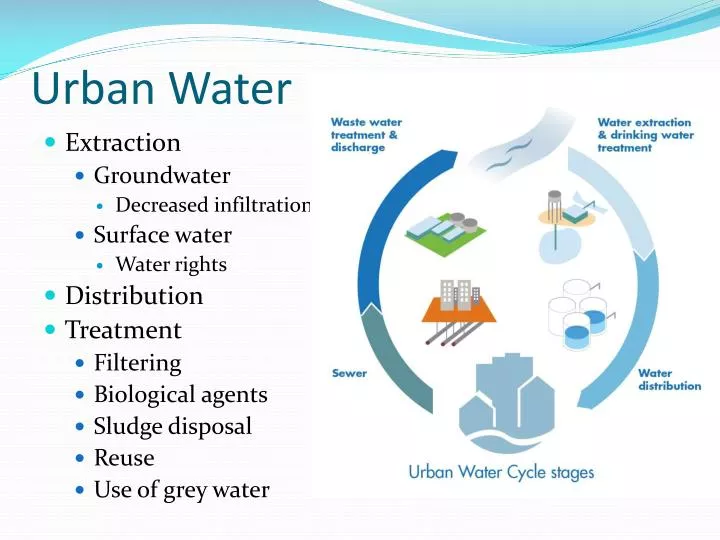
    Urbanization is reshaping our world, with more than half of the global population now living in cities. This rapid urban growth brings significant challenges to managing water resources effectively and sustainably. As a structural engineer passionate about urban sustainability, I recognize the crucial role of Building Information Modeling (BIM). BIM is essential for addressing these challenges effectively. In this blog, we’ll cover urban water management, how BIM improves planning and infrastructure, and the benefits for communities striving for water resilience.

    Understanding Urban Water Management:-

    Urban water management encompasses the planning, development, and sustainable use of water resources within urban areas. It involves balancing competing demands for water supply, sanitation, flood control, and environmental preservation. It also requires ensuring resilience to climate change and population growth.

    Challenges in Urban Water Management:-

    1. Water Supply and Demand Dynamics:-

    Meeting the increasing water demand of urban populations while safeguarding water resources for future generations:

    Population Growth: Managing water supply infrastructure to accommodate growing urban populations and changing consumption patterns.

    Water Efficiency: Promoting water conservation practices, implementing efficient water use technologies, and reducing water losses through infrastructure upgrades.

    2. Stormwater and Flood Management:-

    Addressing urban runoff and flood risks exacerbated by impervious surfaces and climate change impacts:

    Green Infrastructure: Integrating BIM helps manage stormwater runoff and reduce flooding by designing green roofs, permeable pavements, and urban wetlands. It also enhances urban biodiversity.

    Flood Resilience: Use BIM for flood modeling to identify vulnerable areas, optimize drainage systems, and apply mitigation measures.

    3. Water Quality and Pollution Control:-

    Protecting water quality from contamination sources such as industrial discharges, wastewater effluents, and urban runoff:

    Treatment Technologies: Employing BIM to optimize wastewater treatment plant designs, enhance treatment efficiency, and ensure compliance with water quality standards.

    Pollution Prevention: Implementing BIM-integrated monitoring systems to detect and mitigate pollution sources, safeguarding aquatic ecosystems and public health.

    Role of Building Information Modeling (BIM) in Urban Water Management:-

    Building Information Modeling (BIM) transforms urban water management by facilitating data-driven decision-making, collaboration, and optimization across the lifecycle of water infrastructure:

    Integrated Planning and Design: Using BIM to integrate urban planning with water management, optimizing land use, infrastructure, and water distribution.

    Performance Simulation: Use BIM simulations to assess water demand and model hydraulic performance, enhancing the efficiency and resilience of water supply networks.

    Lifecycle Management: Implement BIM for asset management, maintenance planning, and real-time monitoring of urban water systems to enhance efficiency and lower lifecycle costs.

    Innovative Approaches in Urban Water Management:-

    1. Smart Water Networks:-

    Deploying sensor networks and real-time data analytics to monitor and manage urban water systems efficiently:

    Smart Meters and Sensors: Using BIM to integrate smart meters and sensors provides real-time data on water consumption, pressure, and quality. This enables proactive leak detection and demand management.

    Predictive Analytics: Leveraging BIM-integrated predictive modeling to anticipate water system failures, optimize maintenance schedules, and enhance operational reliability.

    Picture background

    2. Resilient Infrastructure Design:-

    Designing urban water infrastructure to withstand climate change impacts and ensure long-term sustainability:

    Climate-Resilient Design: Using BIM for climate adaptation strategies, such as designing water storage and drainage systems capable of managing extreme weather events and sea-level rise.

    Modular and Flexible Design: Implementing BIM to design modular infrastructure components that can be easily expanded or adapted in response to future urban growth and changing water management needs.

    Picture background

    Real-World Applications of BIM in Urban Water Management:-

    Case Study: Melbourne, Australia:-

    Melbourne's Water Outlook 2050 initiative utilizes BIM to enhance urban water resilience and sustainability:

    Water Sensitive Urban Design: Integrating BIM into urban planning processes to design water-sensitive landscapes, decentralized water systems, and recycled water schemes that reduce reliance on centralized infrastructure.

    Community Engagement: Using BIM for visualizing and communicating water management strategies to stakeholders, fostering community support and participation in sustainable water initiatives.

    Picture background

    Ethical Considerations and Community Impact:-

    Urban water management initiatives must prioritize ethical considerations and community engagement to ensure equitable access to safe and reliable water resources:

    Equity and Accessibility: Addressing water access disparities among urban communities, including vulnerable populations, through inclusive planning and targeted infrastructure investments.

    Public Health: Safeguarding public health by ensuring access to clean drinking water and sanitation facilities, mitigating waterborne diseases, and promoting hygiene and sanitation practices.

    Environmental Stewardship: Protecting urban water bodies, green spaces, and biodiversity through sustainable water management practices that enhance ecological resilience and urban livability.

    Conclusion: Building Sustainable Urban Water Futures:-

    In conclusion, urban water management is essential for creating resilient, livable cities that balance human needs with environmental sustainability. Building Information Modeling (BIM) helps structural engineers, urban planners, and policymakers manage complex water challenges. It uses innovative technologies, collaborative methods, and adaptive strategies. As we continue to advance urban water management with BIM, let us prioritize resilience, equity, and sustainability in shaping water-smart cities that thrive in harmony with nature. Together, through collective action and forward-thinking solutions, we can build a future where urban communities flourish with reliable, sustainable water resources for generations to come.

    Read more on:-

    For more information about engineering, architecture, and the building & construction sector, go through the posts related to the same topic on the Pinnacle IIT Blogs page.

    Find out more accurately what we are going to take off in the course of applying leading new technologies and urban design at Pinnacle IIT.

    Subscribe to our YouTube channel and blog websites to obtain all the up-to-date information relating to construction matters.

  • New Ways For Groundwater Management: The Impact Of Building Information Modeling

    New Ways For Groundwater Management: The Impact Of Building Information Modeling

    Groundwater, the invisible treasure beneath our feet, sustains ecosystems, agriculture, and human communities worldwide. As a structural engineer dedicated to sustainable practices, I recognize the critical importance of managing groundwater resources effectively and responsibly. In this blog, we'll delve into the complexities of groundwater management. We will explore the integration of Building Information Modeling (BIM) to enhance decision-making and infrastructure development. Additionally, we will highlight the profound impact of safeguarding this essential resource on communities and ecosystems.

    Understanding Groundwater Management:-

    Groundwater management involves the sustainable extraction, use, and protection of groundwater resources to meet human needs while maintaining ecological balance. It encompasses monitoring aquifer levels, controlling abstraction rates, preventing contamination, and promoting recharge to ensure long-term water availability and quality.

    Challenges in Groundwater Management:-

    1. Over-Extraction and Depletion Risks:-

    Balancing groundwater extraction rates with natural recharge processes to prevent aquifer depletion and land subsidence:

    Water Demand: Managing increasing water demands from agriculture, industry, and urban development while preserving groundwater reserves for future generations.

    Aquifer Vulnerability: Protecting vulnerable aquifers from over-exploitation and contamination, particularly in areas prone to droughts and climate variability.

    Picture background

    2. Water Quality and Contamination Risks:-

    Protecting groundwater quality from pollutants, including agricultural chemicals, industrial effluents, and urban runoff:

    Pollution Sources: Monitoring and mitigating sources of contamination through regulatory measures, groundwater protection zones, and pollution prevention strategies.

    Remediation Technologies: Using BIM to design and implement groundwater remediation systems, such as permeable reactive barriers and pump-and-treat systems, to restore water quality.

    Picture background

    3. Climate Change Impacts:-

    Understanding the effects of climate change on groundwater recharge rates, aquifer storage, and water availability:

    Hydrological Modelling: Using BIM-integrated hydrological models to simulate climate scenarios, assess groundwater response to changing climate conditions, and develop adaptive management strategies.

    Water-Energy Nexus: Managing the interconnections between groundwater use, energy consumption, and greenhouse gas emissions to promote sustainable groundwater management practices.

    Role of Building Information Modeling (BIM) in Groundwater Management:-

    Building Information Modeling (BIM) revolutionizes groundwater management. It integrates data-driven insights, predictive modeling, and collaborative workflows across the lifecycle of groundwater infrastructure:

    Data Integration: Consolidate geological data, hydrological models, groundwater monitoring data, and land use information into BIM platforms. This enables comprehensive analysis and decision support.

    Aquifer Characterization: Using BIM for 3D visualization and modeling of aquifer properties, groundwater flow dynamics, and spatial relationships with surface water bodies and infrastructure.

    Scenario Analysis: Employing BIM-enabled simulations to evaluate groundwater management scenarios, predict future groundwater levels, and optimize abstraction rates and recharge strategies.

    Innovative Approaches in Groundwater Management:-

    1. Managed Aquifer Recharge (MAR):-

    Implementing MAR strategies to enhance groundwater replenishment and storage capacity:

    Artificial Recharge Facilities: Designing BIM models for MAR infrastructure, including infiltration basins, recharge wells, and injection galleries, to augment natural recharge processes.  

    Water Banking: Using BIM to facilitate water banking operations, storing surplus surface water or treated wastewater in aquifers during wet periods for withdrawal during dry seasons.

     2. Community-Based Groundwater Monitoring:-

    Engaging local communities in groundwater monitoring and stewardship initiatives:

    Citizen Science Programs: Empowering citizens with BIM-enabled tools and mobile apps to collect groundwater data, report observations, and contribute to groundwater quality monitoring efforts.

    Stakeholder Collaboration: Facilitating collaborative decision-making processes among stakeholders, including water utilities, farmers, environmental organizations, and indigenous communities, to develop groundwater management plans.

    Real-World Applications of BIM in Groundwater Management:-

    Case Study: Orange County Groundwater Replenishment System, California:-

    The Orange County Groundwater Replenishment System exemplifies BIM's role in sustainable groundwater management:

    Advanced Treatment Facility: Using BIM for design and construction of a state-of-the-art water purification plant that treats wastewater to potable standards, replenishing local aquifers and ensuring water reliability.

    Monitoring and Optimization: Integrating BIM with real-time monitoring systems to track groundwater levels, water quality parameters, and system performance, optimizing operation and maintenance practices.

    Ethical Considerations and Community Impact:-

    Groundwater management initiatives must prioritize ethical considerations and community engagement to ensure equitable access to safe and reliable water resources:

    Environmental Justice: Addressing disparities in groundwater access and quality impacts on marginalized communities through inclusive planning and resource allocation.

    Cultural Heritage: Respecting indigenous knowledge and cultural practices related to groundwater use and management, fostering partnerships based on mutual respect and shared stewardship.

    Long-Term Sustainability: Promoting stewardship and conservation practices that protect groundwater resources for future generations, balancing economic development with environmental protection.

    Conclusion: Fostering Sustainable Groundwater Futures:-

    In conclusion, effective groundwater management is essential for sustainable development, ecological resilience, and community well-being. Building Information Modeling (BIM) empowers structural engineers, hydrologists, and policymakers to navigate complex groundwater challenges with innovative solutions and collaborative approaches. As we continue to harness the power of BIM in groundwater management, let us uphold our commitment to environmental stewardship, resilience to climate change impacts, and equitable access to this invaluable resource. Together, through informed decision-making and responsible management practices, we can ensure a future where groundwater remains a resilient and sustainable source of life for generations to come.

    Read more on:-

    For more information about engineering, architecture, and the building & construction sector, go through the posts related to the same topic on the Pinnacle IIT Blogs page.

    Find out more accurately what we are going to take off in the course of applying leading new technologies and urban design at Pinnacle IIT.

    Subscribe to our YouTube channel and blog websites to obtain all the up-to-date information relating to construction matters.
  • Innovative Techniques in Water Management: Insights from Ecosystem-Based Approaches

    Innovative Techniques in Water Management: Insights from Ecosystem-Based Approaches

    Water management is not just about meeting human needs; it's about preserving the intricate balance of natural ecosystems that rely on water for their survival. As a water resource engineer passionate about sustainability, I believe in using ecosystem-based approaches. They help ensure water security while protecting biodiversity and ecosystem services. In this blog, we’ll explore ecosystem-based water management principles. We’ll also discuss the role of water resource engineers in implementing these approaches and their impact on natural environments and human communities.

    Understanding Ecosystem-Based Approaches to Water Management:-

    Ecosystem-based approaches to water management prioritize the health and resilience of ecosystems as a foundation for sustainable water use. These approaches recognize that healthy ecosystems provide essential services, such as water purification, flood regulation, and habitat support, which are vital for human well-being and biodiversity conservation.

    Key Principles of Ecosystem-Based Water Management:-

    1. Holistic Ecosystem Assessment:-

    Conducting comprehensive assessments of ecosystems to understand their structure, functions, and services related to water:

    Biodiversity Conservation: Identifying and protecting key habitats, species, and ecological processes that contribute to water quality and ecosystem health.

    Ecosystem Services: Assessing the multiple benefits provided by ecosystems, such as water filtration by wetlands, flood mitigation by forests, and groundwater recharge by riparian zones.

    Picture background

    2. Integrated Water Resource Management (IWRM):-

    Integrating water management practices that consider ecological, social, and economic dimensions:

    Catchment-Based Approaches: Managing water resources at the watershed scale to account for upstream-downstream interactions and cumulative impacts on water quantity and quality.

    Stakeholder Engagement: Involving diverse stakeholders, including communities, indigenous groups, and businesses, in decision-making processes to foster collective responsibility for ecosystem stewardship.

    Picture background

    3. Adaptive Management and Resilience:-

    Adopting flexible and adaptive strategies to respond to changing environmental conditions and uncertainties:

    Climate Resilience: Designing water management strategies that enhance ecosystem resilience to climate change impacts, such as droughts, floods, and sea-level rise.

    Monitoring and Feedback: Implementing monitoring programs and feedback mechanisms to assess the effectiveness of management actions, adjust strategies, and improve ecosystem outcomes over time.

    Challenges in Implementing Ecosystem-Based Approaches:-

    1. Balancing Stakeholder Interests:-

    Navigating competing interests and priorities among stakeholders, including water users, conservationists, and policymakers:

    Trade-offs: Addressing trade-offs between water allocation for human needs (e.g., agriculture, industry, drinking water) and ecological flows necessary to sustain aquatic habitats and species.  

    Conflict Resolution: Facilitating dialogue, negotiation, and consensus-building to reconcile conflicting perspectives and find equitable solutions for water management.

    2. Data and Knowledge Gaps:-

    Addressing gaps in scientific knowledge, data availability, and understanding of ecosystem dynamics:

    Ecological Research: Conducting research and monitoring to improve understanding of ecosystem functions, connectivity, and responses to water management interventions.

    Capacity Building: Enhancing technical capacity and expertise among water resource professionals, stakeholders, and communities to implement ecosystem-based approaches effectively.

    3. Policy and Institutional Barriers:-

    Overcoming regulatory and institutional barriers that may hinder the adoption of ecosystem-based water management practices:

    Policy Alignment: Aligning water policies, laws, and regulations with ecosystem conservation goals and integrated water resource management principles.

    Governance Structures: Strengthening governance frameworks, institutional coordination, and collaboration across sectors to support holistic and adaptive water management approaches.

    Role of Water Resource Engineers in Ecosystem-Based Management:-

    Water resource engineers play a crucial role in advancing ecosystem-based approaches to water management by:

    Technical Expertise: Applying scientific knowledge, engineering principles, and modeling tools to assess ecosystem health, predict hydrological impacts, and design sustainable water infrastructure.

    Innovative Solutions: Developing innovative solutions, such as green infrastructure, nature-based solutions, and ecological restoration projects, that enhance ecosystem services and water quality.

    Collaboration: Collaborating with ecologists, hydrologists, policymakers, and stakeholders to integrate ecological considerations into water management strategies and decision-making processes.

    Real-World Applications of Ecosystem-Based Approaches:-

    Case Study: Everglades Restoration, Florida, USA:-

    The Everglades restoration project exemplifies ecosystem-based approaches to water management:

    Hydrological Restoration: Reestablishing natural water flows and hydrological connectivity to restore wetland habitats, improve water quality, and support biodiversity.

    Collaborative Governance: Engaging federal, state, tribal, and local stakeholders in a comprehensive restoration effort that balances water supply needs with ecological restoration goals.

    Monitoring and Adaptation: Implementing adaptive management strategies, including monitoring programs and adaptive decision-making frameworks, to address uncertainties and achieve long-term ecological and water management objectives.

    Picture background

    Ethical Considerations and Community Impact:-

    Ecosystem-based water management initiatives must uphold ethical considerations and prioritize community well-being to ensure:

    Equity: Addressing social and environmental justice concerns related to water access, distribution, and impacts on vulnerable communities.

    Public Participation: Engaging local communities, indigenous groups, and stakeholders in planning, decision-making, and implementation of water management strategies.

    Sustainability: Promoting sustainable development practices that balance economic growth with environmental conservation and cultural heritage preservation.

    Conclusion: Embracing a Sustainable Water Future:-

    In conclusion, ecosystem-based approaches to water management offer a pathway to sustainable development, resilience to climate change, and conservation of natural resources. As water resource engineers, we have a responsibility to advocate for and implement innovative, holistic solutions that integrate ecosystem health into water management practices. By fostering collaboration, embracing adaptive strategies, and prioritizing ecological integrity and community well-being, we can achieve a future where water resources are managed wisely, ecosystems thrive, and societies prosper in harmony with nature. Together, through shared commitment and collective action, we can build a resilient and sustainable water future for generations to come.

    Read more on:-

    For more information about engineering, architecture, and the building & construction sector, go through the posts related to the same topic on the Pinnacle IIT Blogs page.

    Find out more accurately what we are going to take off in the course of applying leading new technologies and urban design at Pinnacle IIT.

    Subscribe to our YouTube channel and blog websites to obtain all the up-to-date information relating to construction matters.

  • Bridging Communities: The Way of Community Engagement in Water Management

    Bridging Communities: The Way of Community Engagement in Water Management

    Water is not just a resource; rather, it is a lifeline that connects communities, sustains livelihoods, and nurtures ecosystems. Consequently, as a water resource engineer dedicated to fostering sustainable water management practices, I recognize the crucial role of community engagement in shaping inclusive and effective water governance. In this blog, we will therefore explore the significance of community involvement in water management, the benefits of collaborative approaches, and, furthermore, real-world examples of successful community-driven initiatives.

    Importance of Community Engagement in Water Management:-

    Community engagement in water management empowers local residents, stakeholders, and organizations to participate in decision-making processes, contribute local knowledge, and take ownership of water-related challenges and solutions. By fostering partnerships and dialogue, community engagement enhances the effectiveness, equity, and sustainability of water management practices.

    Key Benefits of Community Engagement:-

    1. Local Knowledge and Perspectives:-

    Communities possess valuable insights into local water resources, usage patterns, and environmental changes that may not be captured through scientific data alone:

    Traditional Knowledge: Incorporating indigenous and traditional knowledge systems into water management strategies to improve resilience and sustainability.

    User Needs: Understanding community water needs, preferences, and cultural practices to tailor management approaches that are socially and economically beneficial.

    2. Building Trust and Accountability:-

    Engaging communities builds trust between water managers, policymakers, and residents, fostering transparency and accountability in decision-making:

    Open Communication: Establishing channels for dialogue, public consultations, and feedback mechanisms to ensure community concerns are heard and addressed.

    Shared Responsibility: Promoting shared responsibility for water stewardship and compliance with regulations through education, outreach, and capacity-building initiatives.

    3. Enhancing Project Effectiveness:-

    Community participation improves the relevance, acceptance, and implementation of water management projects:

    Co-Design and Co-Implementation: Collaborating with communities in the planning, design, and implementation of water infrastructure projects, ensuring they meet local needs and priorities.

    Behavioral Change: Encouraging water conservation practices, pollution prevention measures, and sustainable land use practices through community-led initiatives and awareness campaigns.

    Strategies for Effective Community Engagement:-

    1. Education and Awareness:-

    Raising awareness about water issues, conservation practices, and the importance of sustainable water management:

    Public Workshops: Hosting workshops, seminars, and educational programs to inform communities about local water resources, threats, and opportunities for engagement.

    School Programs: Integrating water education into school curricula to empower future generations with knowledge and skills to become water stewards.

    Picture background

    2. Participatory Decision-Making:-

    Involving communities in decision-making processes to ensure their voices are heard and considerations are integrated into water management plans:

    Community Forums: Organizing public forums, focus groups, and town hall meetings to gather input on water policies, projects, and regulations.

    Advisory Committees: Establishing community advisory committees or boards to provide ongoing input, review proposals, and monitor project implementation.

    3. Collaborative Partnerships:-

    Building partnerships with local organizations, non-profits, and community leaders to leverage collective expertise and resources:

    Community-Based Organizations: Partnering with grassroots organizations, neighborhood associations, and civic groups to mobilize community action and support.

    Indigenous Partnerships: Respecting and collaborating with indigenous communities to incorporate traditional knowledge and cultural values into water management practices.

    Case Studies in Community-Driven Water Management:-

    Case Study: Watershed Councils in the Pacific Northwest, USA:-

    Watershed councils in the Pacific Northwest exemplify successful community-driven water management:

    Picture background

    Collaborative Governance: Facilitating collaboration among diverse stakeholders, including farmers, environmentalists, businesses, and government agencies, to address watershed health and water quality issues.

    Stakeholder Engagement: Engaging local residents through volunteer monitoring programs, restoration projects, and educational outreach initiatives to improve watershed resilience and sustainability.

    Policy Advocacy: Advocating for policies that prioritize watershed conservation, habitat restoration, and sustainable water use practices based on community input and scientific research.

    Ethical Considerations and Community Impact:-

    Effective community engagement in water management requires a commitment to ethical principles, including:

    Equity and Justice: Addressing disparities in water access, affordability, and quality to ensure equitable distribution of benefits and burdens.

    Cultural Sensitivity: Respecting cultural diversity, indigenous rights, and traditional practices related to water use and management.

    Long-Term Sustainability: Promoting stewardship practices that safeguard water resources for future generations and minimize environmental impacts is essential. Therefore, we must prioritize sustainable approaches and encourage collective responsibility.

    Conclusion: Empowering Communities for Water Security:-

    In conclusion, community engagement is essential for fostering sustainable water management practices that promote resilience, equity, and environmental stewardship. As water resource engineers, we have a responsibility to champion inclusive approaches that empower communities to actively participate in decision-making processes and co-create solutions to water challenges. Consequently, by prioritizing these methods, we ensure that all voices are heard. Therefore, by building trust, sharing knowledge, and nurturing collaborative partnerships, we can achieve a future where water resources are managed wisely, ecosystems thrive, and communities flourish in harmony with their natural surroundings. Ultimately, through shared commitment and collective action, we can build resilient and water-secure communities that benefit present and future generations alike.

    Read more on:-

    For more information about engineering, architecture, and the building & construction sector, go through the posts related to the same topic on the Pinnacle IIT Blogs page.

    Find out more accurately what we are going to take off in the course of applying leading new technologies and urban design at Pinnacle IIT.

    Subscribe to our YouTube channel and blog websites to obtain all the up-to-date information relating to construction matters.